

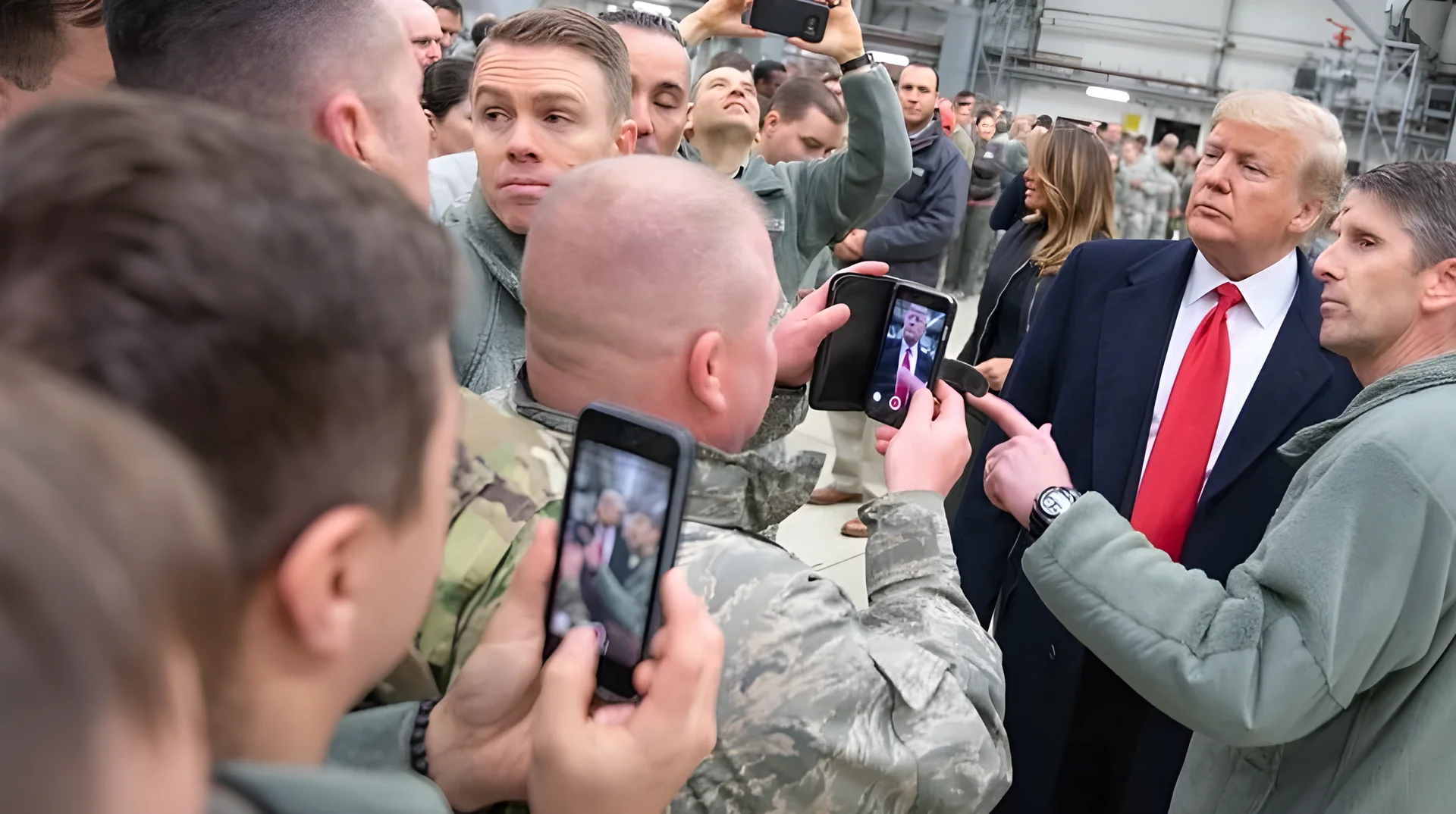
Donald Trump returned from his visit to China without securing major breakthroughs on issues like the Iran crisis, artificial intelligence, or the Taiwan question, according to multiple international reports. The White House noted that Trump and Chinese President Xi Jinping agreed the Strait of Hormuz must remain open for energy flows, but no binding commitments were made on curbing Iranian nuclear ambitions or military escalation.
Strait of Hormuz and Iran Tensions
During a joint press conference in Beijing, Trump said he and Xi shared concerns about Iran’s nuclear program and the need to keep the Strait of Hormuz open. Trump added that the situation in Iran is “a little bit crazy” and “no good.” The White House readout of their talks echoed this, stating the two leaders “agreed that the Strait of Hormuz must remain open to support the free flow of energy.” However, China’s foreign ministry reiterated its call for a ceasefire and the immediate reopening of the strait, according to The Guardian.
AI and Economic Deals
Despite the diplomatic dead ends. Trump brought a high-profile entourage of business leaders, including Nvidia CEO Jensen Huang, who joined the trip at the last minute and may have secured a deal for Chinese purchases of H200 AI chips. Amanda Hsiao of Eurasia Group noted that the inclusion of Huang signals Trump’s eagerness to secure favor with Beijing, as this could represent a significant win for the AI trade and global markets, according to Asia Times.
Taiwan and Strategic Stability
Xi reportedly warned Trump about the risks of mishandling the Taiwan issue, a claim that sparked headlines in the U.S. media. Critics have suggested that this was a subtle warning or a “trap” to pressure the U.S. into aligning more closely with China’s interests. However, Responsible Statecraft argued that the remark was not new—China has long emphasized the potential for conflict over Taiwan,and that the U.S. also plays a role in destabilizing the status quo through its One China policy and arms sales. The two leaders also discussed the need for “strategic stability” between their nations, a move that some fear could dilute U.S. competitive efforts against China.
Trump’s return to Washington will bring new challenges, particularly with the ongoing Iran crisis. While he hinted at possibly lifting sanctions on Chinese companies buying Iranian oil, he also emphasized that it was China, not the U.S., that had closed the Strait of Hormuz. The lack of concrete progress in Beijing exposes the complexity of U.S.-China relations and the limitations of Trump’s diplomacy on regional security issues.


Comments
No comments yet
Be the first to share your thoughts