

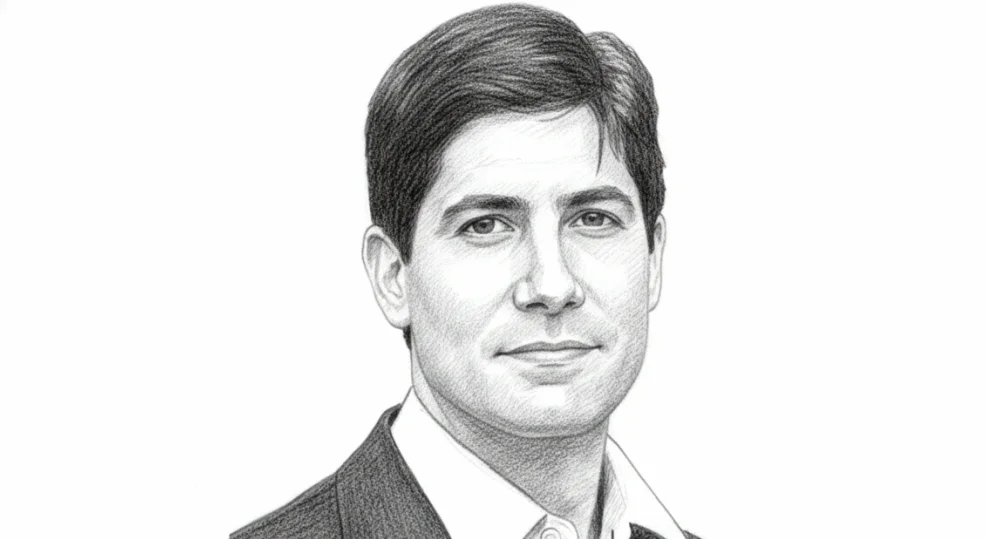
US President Donald Trump announced on his social media platform Truth Social that he has nominated Kevin Warsh to succeed Jerome Powell as chair of the Federal Reserve. “I have known Kevin for a long time, and I have no doubt that he will be remembered as one of the GREATEST Fed Chairs, perhaps the best,” Trump wrote, according to the announcement.
Background on Warsh and Trump’s Pressure
Kevin Warsh. 55, previously served as a Fed governor from 2006 to 2011 and is known for advocating a restrictive monetary policy to control inflation; he currently works as a fellow at the Hoover Institution and teaches at Stanford Graduate School of Business. Before joining the Fed. Warsh served as an economic advisor in the George W; Bush administration and worked at Morgan Stanley.
Trump has long criticized the Federal Reserve under Powell’s leadership, repeatedly calling for significant rate cuts. Despite Trump’s pressure. The Fed maintained a cautious stance and recently paused rate changes after three cuts that brought the federal funds rate to 3.5 to 3.75 percent. Trump expressed dissatisfaction with these measures, even calling for Powell’s resignation and publicly criticizing him.
Historic Political Scrutiny
Powell is currently under investigation by the US Justice Department, which has issued subpoenas to the Fed and threatened legal action, according to a report from DIE ZEIT. Powell has described these investigations as a political maneuver to pressure the Fed on monetary policy. His term as Fed Chair ends in May 2026.
Warsh, during a Senate Banking Committee hearing, acknowledged that “presidents tend to prefer rate cuts.” However, he emphasized, “But the independence of the Fed rests with the Fed,” according to 경향신문. Warsh also stated that he has no intention of simply following Trump’s directives and has no plans to push for rate cuts without proper justification.
Implications and Concerns
The Federal Reserve is traditionally expected to operate independently from political influence, according to tagesschau.de. However, Trump’s repeated interventions and the current legal scrutiny raise concerns about the future of the Fed’s autonomy. Warsh, who has a reputation for resisting political pressure, may face challenges in maintaining the Fed’s credibility while handling Trump’s expectations.
Warsh’s nomination is subject to Senate approval. If confirmed, he would lead the Fed during a critical period of economic uncertainty and political tension. Analysts suggest that Warsh is unlikely to cause major disruption in financial markets due to his previous experience and reputation for maintaining a stable policy approach, according to IDNFinancials.com.





Comments
No comments yet
Be the first to share your thoughts