

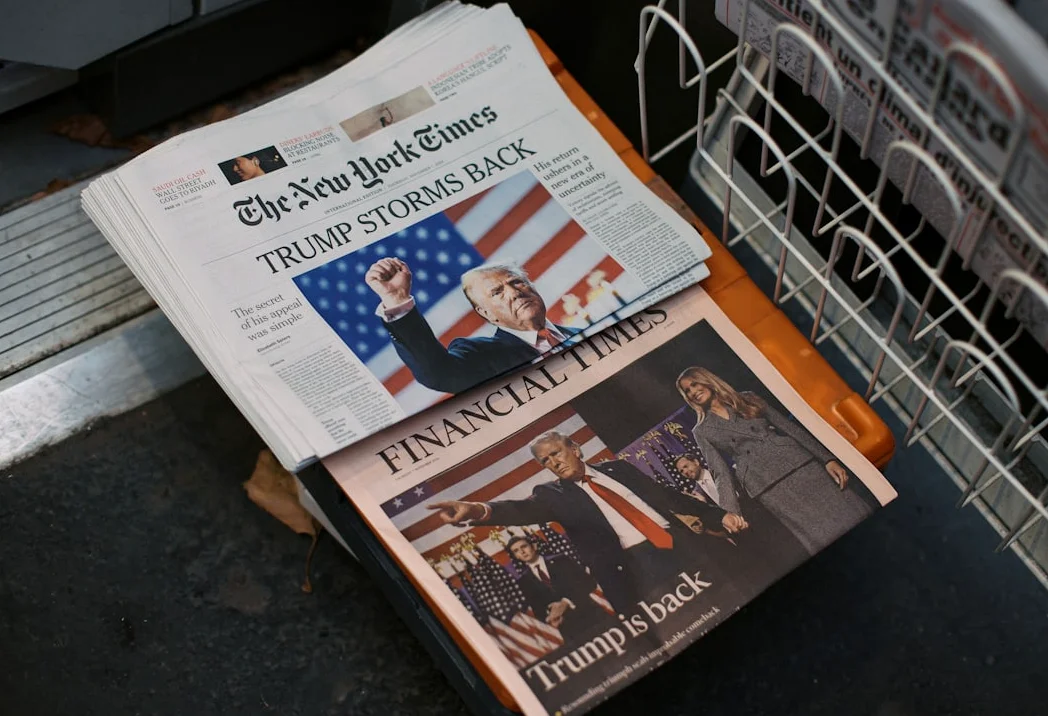
During a visit to the White House, President Donald Trump compared the US military’s surprise strike on Iran to Japan’s historical use of surprise tactics. When asked why he hadn’t informed allies of the plan, Trump remarked, “Who knows more about surprise than Japan?” His comment, which included a direct reference to Pearl Harbor, elicited laughter from the room and visibly unsettled Takaichi, who sat rigidly in her chair.
A Taboo Broken
The Pearl Harbor reference was widely considered a sensitive topic in US-Japan relations. According to Spiegel. The 1941 attack led to the US entering World War II, and in 1945, the US dropped atomic bombs on Hiroshima and Nagasaki. Diplomatic discussions around Pearl Harbor have long avoided strong rhetoric to maintain peace and cooperation between the two nations, but As the New York Times reported, President Harry S. Truman used the attack to justify the post-war transformation of Japan under US occupation and the introduction of a pacifist constitution.
Strategic Shifts in US-Japan Relations
The visit of Takaichi also marked a turning point in regional security dynamics — According to WELT, the Japanese Prime Minister traveled to Australia to commemorate the 50th anniversary of the Nara Agreement, a historically controversial pact from 1976. The agreement. Which softened relations between Japan and Australia following World War II, is now a symbol of the two countries’ deepening strategic ties. Melissa Conley-Tyler of the University of Melbourne noted that the sentiment of the time has shifted from bitterness to cooperation, with the descendants of wartime soldiers now sharing sushi and engaging in joint security efforts.
At the same time. Washington’s stretched military resources have led to the withdrawal of Marine units from Okinawa; As regional powers like Japan and Australia begin to act more independently, the traditional US-led security framework is evolving. Japanese diplomats. Once hesitant to act without US support, are now exploring more autonomous strategies.
Trump’s Other Controversial Moves
Separately, Trump’s use of the popular Japanese anime character Naruto in a political video drew criticism from the Japanese government, according to Sumikai. The video, posted on social media on June 6, depicted Trump dressed as Naruto in orange and black ninja attire, performing ninja techniques. Kimi Onoda, a Japanese security official, said the government had repeatedly urged the US to respect intellectual property rights. Onoda emphasized that the use of such characters should only occur with the permission of the rights holders.
Onoda’s comments followed widespread online debate over whether Trump’s team had secured permission to use the character. The incident added to a pattern of similar controversies, including a 2025 video from the US Homeland Security Department that compared immigration enforcement to catching Pokémon, which also drew criticism in both countries.
Plus, Trump announced his full public support for William H. Hagerty, the US ambassador to Japan, who announced his candidacy for a Senate seat in Tennessee. Hagerty, a Trump ally, has previously served as a campaign finance leader and is seen as a key figure in filling the Senate vacancy left by Lamar Alexander.
During a separate meeting with Takaichi, Trump pushed for greater Japanese involvement in the defense of the Strait of Hormuz, emphasizing Japan’s reliance on Middle Eastern oil and the presence of approximately 50,000 US troops in Japan. According to Asia Today, Trump stated, “Given the relationship we have, I expect Japan to step up,” while also distinguishing Japan from NATO allies in its level of cooperation. Takaichi, in turn, praised Trump’s leadership and condemned Iran’s nuclear ambitions.
While Trump avoided calling for specific military actions such as sending warships or deploying the Japanese Self-Defense Forces, his remarks were seen as a strategic nudge for Japan to take on more responsibility. Takaichi, however, stopped short of committing to concrete measures, drawing a line on direct military involvement.






Comments
No comments yet
Be the first to share your thoughts