

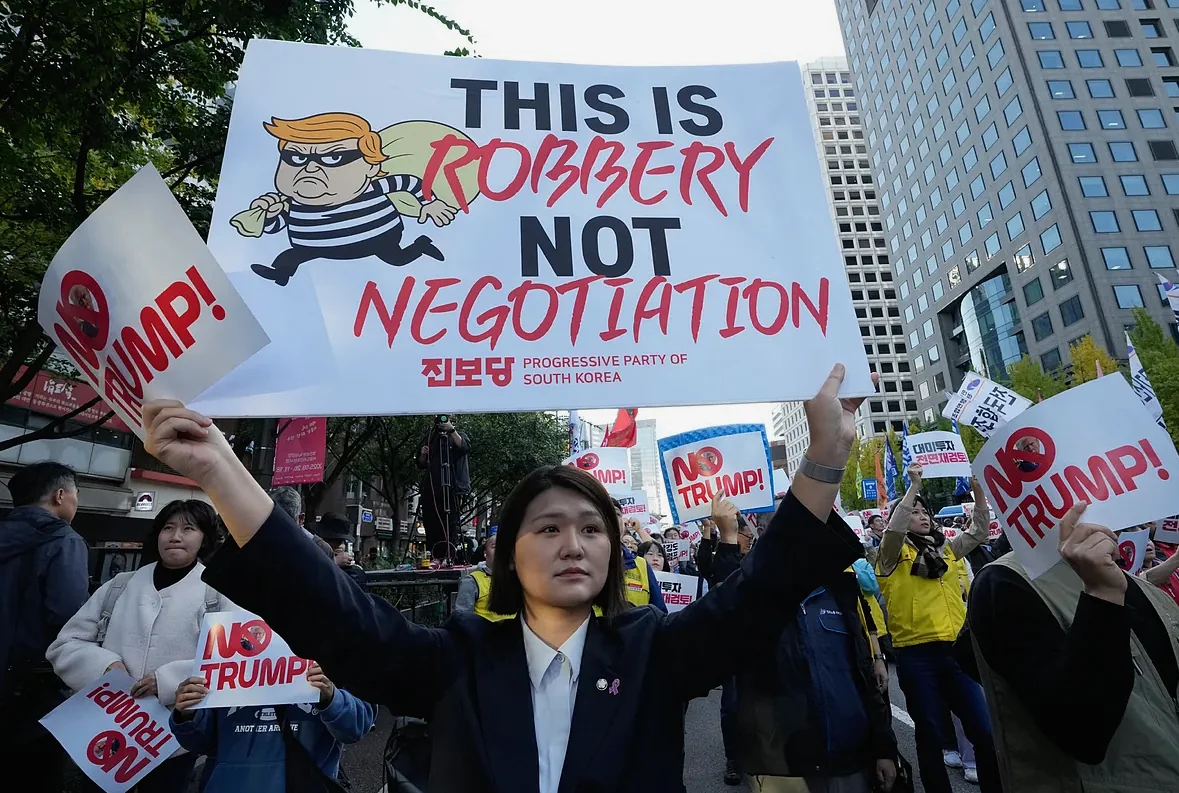
President Donald Trump wasted no time after the Supreme Court’s 6-3 decision Friday blocking his use of the International Emergency Economic Powers Act for tariffs. He signed an executive order Saturday establishing a flat 10% tariff on all global imports under Section 122 of the Trade Act of 1974. The duties kick in almost immediately, according to a Truth Social post from Trump.
The high court ruled that the IEEPA does not authorize the president to impose tariffs, gutting Trump’s strategy for reciprocal duties and measures tied to drug trafficking. Justices Neil Gorsuch and Amy Coney Barrett, both Trump nominees, joined the majority. Trump lashed out at a White House briefing. “I’m ashamed of certain members of the court, absolutely ashamed for not having the courage to do what’s right for our country,” he said.
White House officials described the new tariffs as a temporary bridge. They carry a 150-day limit unless Congress extends them. A White House official told CNBC the order fills the gap left by the court’s rejection of IEEPA-based tariffs. Treasury Secretary Scott Bessent said the administration will blend existing trade laws to keep pressure on importers. That includes probes under Section 301 into unfair practices, potentially leading to more targeted duties.
Countries hit hardest see rate changes. European Union members previously under 15% IEEPA tariffs now face the uniform 10% rate. China, already bearing two layers of 10% duties, sees those swapped out for the new Section 122 tariff. Combined with prior measures, that pushes China’s total U.S. duties to 35%, Trump noted. He vowed to explore every legal path, hinting at unilateral steps without congressional approval.
Trump framed the policy as essential for domestic manufacturing and jobs. “We have the right to do pretty much what we want to do,” he told reporters when pressed on the 150-day cap. Critics point to data showing tariffs raise costs for American consumers and businesses. Studies from groups like the Tax Foundation estimate broad duties add hundreds of dollars yearly to household expenses.
The ruling stemmed from challenges to Trump’s expansive trade authority. Lower courts had split on IEEPA’s scope. The Supreme Court sided with importers, saying the 1977 law targets emergencies, not routine trade fights. Trump called the decision a major setback but doubled down on defiance. His post on Truth Social stressed replacing lost tariffs to bolster U.S. production.
Business groups reacted swiftly. The U.S. Chamber of Commerce warned of supply chain disruptions and higher prices. Retailers from Walmart to auto parts suppliers flagged risks to inventories. Supporters, including steelworkers unions, praised the tariffs as vital shields against dumping.
Legal experts watch closely. Section 122 allows balance-of-payments tariffs but demands Treasury certification of U.S. deficits. Bessent’s team moved fast to meet that threshold. The administration also eyes Section 232 for national security tariffs on autos and other goods.
Trump’s tariff push dates to his first term. He slapped duties on steel, aluminum and billions in Chinese goods. Those sparked retaliation and trade wars. This round tests new boundaries post-ruling. Markets dipped Friday on the court news but steadied Saturday. The dollar strengthened against the euro and yuan.
Congress shows little appetite for extensions. Democrats decry the tariffs as a tax on Americans. Some Republicans back Trump but worry about inflation. Senate Finance Committee Chair Mike Crapo called for targeted measures over blanket duties.
As the 150 days tick down, Trump signals no retreat. His order directs agencies to report on trade imbalances weekly. Further executive actions loom if talks with trading partners stall.





Comments
No comments yet
Be the first to share your thoughts