

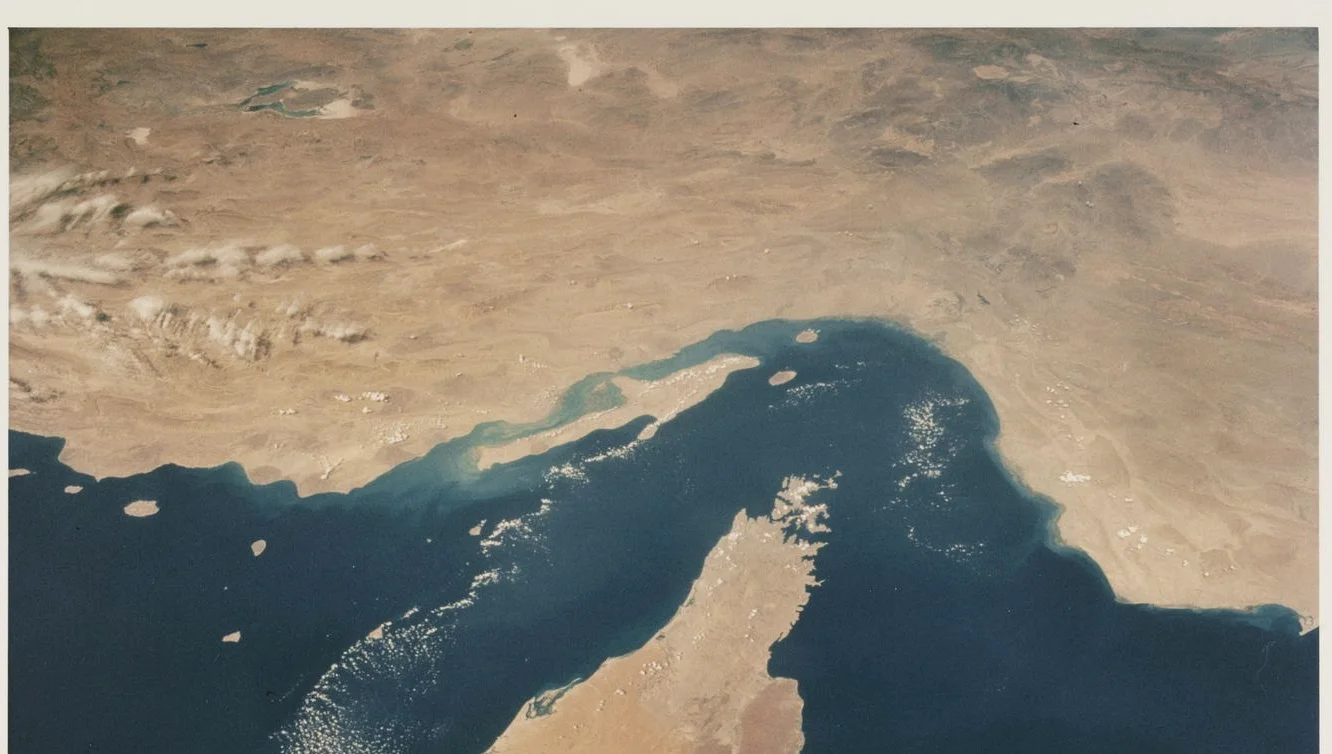
President Donald Trump has waived the Jones Act for a period of 60 days, the White House confirmed Wednesday. The decision comes amid rising gasoline prices and a broader conflict in the Middle East that has disrupted global energy markets. The move is part of a series of efforts by the administration to mitigate the impact of the ongoing war, which has sent oil prices to $109 per barrel and gasoline prices soaring to an average of $3.84 per gallon, according to AAA.
Impact on Energy Markets
The Jones Act, enacted in 1920, mandates that cargo transported between U.S. ports be carried on vessels built, owned, and crewed by Americans. By waiving this requirement, the administration is expected to allow for more flexible shipping routes, potentially reducing the time and cost of transporting fuel and other essential goods from the Gulf Coast to the East Coast.
White House press secretary Karoline Leavitt stated in a press release that the waiver will “allow vital resources like oil, natural gas, fertilizer, and coal to flow freely to U.S. ports for sixty days.” The administration has emphasized its commitment to strengthening supply chains amid the ongoing conflict.
However, analysts are skeptical about the immediate impact of the waiver. According to market data from AAA, U.S. gasoline prices have risen significantly since the war began, with the average now at $3.84 per gallon. Analysts suggest that while the waiver may offer some relief, its effect on prices is likely to be modest at best.
Escalating Conflict in the Middle East
The decision to waive the Jones Act coincides with heightened tensions in the Middle East. On Wednesday, the Israeli Air Force struck a natural gas processing facility in southwestern Iran, according to two senior Israeli officials. This marks the first time Israel has targeted Iran’s natural gas infrastructure, a sector critical to the country’s economy.
Torbjorn Soltvedt, a principal Middle East analyst at Verisk Maplecroft, noted that the strike “marks a step up in U.S. and Israeli operations, which have until now largely spared Iran’s oil and gas sector.” He added that the move sends a clear signal of escalation rather than de-escalation.
Oil prices rose further in response to the strike, with the global benchmark Brent crude climbing over $5 to $109 per barrel. The increase reflects growing concerns about the stability of the global energy supply and the potential for further disruptions in the region.
What Analysts Say About the Waiver
Energy analysts have weighed in on the administration’s decision to waive the Jones Act. Some argue that the move could provide short-term relief to the energy sector by enabling faster and more efficient transportation of goods, but others remain skeptical about its long-term effectiveness.
“The Jones Act waiver may help in the short term, but it’s unlikely to have a significant impact on the broader market dynamics,” said one industry analyst. “The real challenge lies in the ongoing conflict, which is driving up prices and disrupting supply chains globally.”
Despite the skepticism, the administration remains committed to its strategy of using regulatory tools to stabilize the economy. The 60-day waiver is part of a broader effort to ensure that critical resources continue to flow to U.S. ports without interruption.
The White House has also emphasized that it will continue to monitor the situation closely and is prepared to take additional measures if necessary. The administration has not ruled out further waivers or regulatory changes in response to the evolving conflict.
As the war continues, energy prices are expected to remain volatile. The International Energy Agency has warned that prolonged conflict in the region could lead to further spikes in oil prices, which would have cascading effects on the global economy.
For American consumers, the rising cost of gasoline is already having a tangible impact. With prices now exceeding $3.84 per gallon, many are feeling the strain at the pump. The administration has acknowledged the challenges and has urged patience as it works to stabilize the market.
As the situation unfolds, the focus will remain on how the administration’s actions, including the Jones Act waiver, will shape the energy landscape in the coming months. The next few weeks will be critical in determining the extent of the impact on both the economy and the broader geopolitical situation.






Comments
No comments yet
Be the first to share your thoughts