

 Al Jazeera
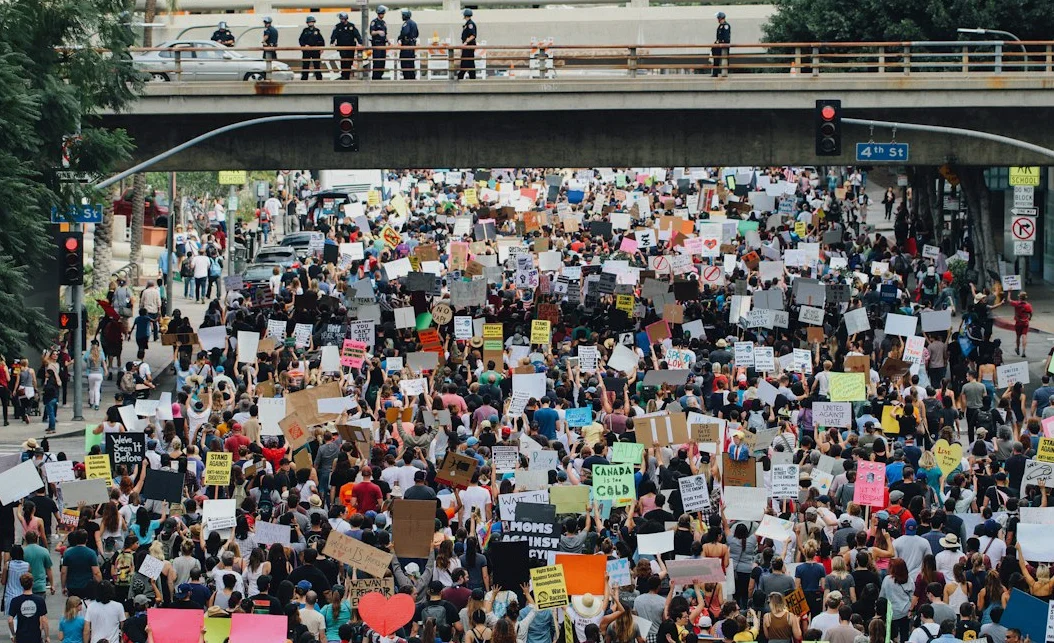
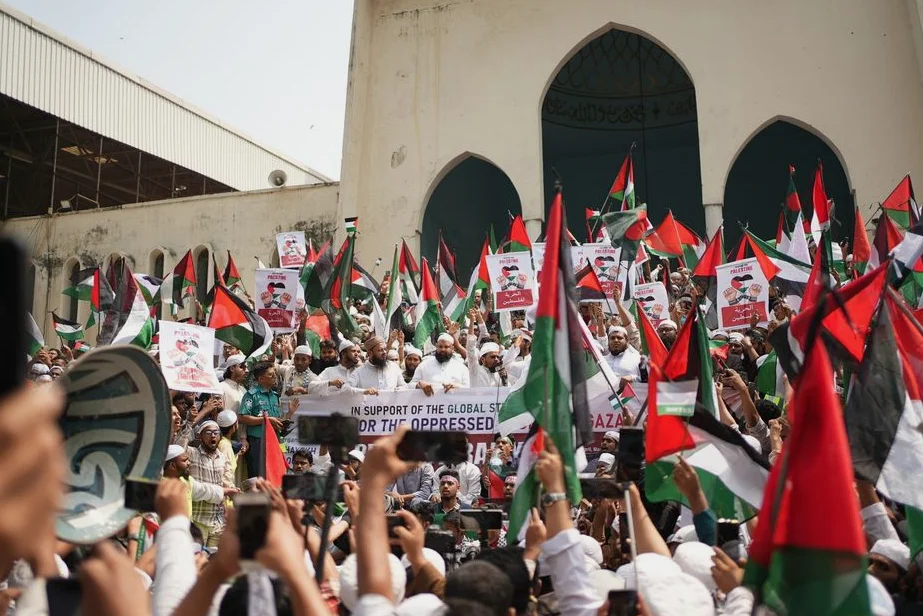
Hundreds of Tunisians marched through the capital on May 17, 2026, to protest a worsening economic crisis and alleged political repression, according to Al Jazeera, and the demonstrations reflect growing public frustration with both the economic downturn and the government’s response to dissent.
Economic Struggles Intensify
Participants in the rally highlighted soaring inflation, high unemployment, and a shrinking middle class as key concerns, while the Central Bank of Tunisia reported that inflation reached 8.5% in April 2026, marking a significant rise from previous months. With the country’s currency. The Tunisian dinar, losing value, many citizens are struggling to afford basic goods and services.
Unemployment remains a pressing issue, with the labor ministry estimating that the rate has remained above 16% for the past two years. Youth unemployment is even higher, with some reports suggesting it exceeds 30%, further fueling social unrest.
Political Tensions Rise
Protesters also accused President Kais Saied of undermining the country’s post-2011 democratic system. Since coming to power in 2019, Saied has consolidated authority, including suspending parliament in 2021 and later dissolving it. Critics argue that his actions have eroded checks and balances, leading to a more centralized governance structure.
Recent arrests of political figures have intensified concerns about press freedom and civil liberties. A prominent opposition leader, Ahmed Ben Ali, was detained earlier this month on charges of inciting unrest, according to judicial sources. His lawyer, Hichem Zghidi, said the charges are politically motivated and designed to silence dissent.
International observers have also raised concerns about the state of democracy in Tunisia. The United Nations Human Rights Office issued a statement on May 14, 2026, calling for the immediate release of all individuals arrested for expressing political views. It noted that such actions could further destabilize a country already grappling with economic challenges.
Public Response and International Watch
The protests have drawn both local and international attention. Social media platforms have been flooded with images and videos of the demonstrations, with many Tunisians using the hashtag #TunisiansRallyAmidEconomicCrisis to share their concerns. The hashtag has trended globally, reflecting the widespread interest in Tunisia’s political and economic developments.
International leaders have also weighed in. The European Union, a key economic partner of Tunisia, called for dialogue and a return to democratic norms. In a statement, the EU said it remains committed to supporting Tunisia’s transition and called on all parties to prioritize national unity and economic recovery.
As the government faces mounting pressure, it has yet to issue a formal response to the demonstrations. A government spokesperson, however, stated that Tunisia is committed to economic reform and that the administration is working to address the challenges facing the country. The spokesperson did not comment on the political arrests.
With tensions rising and public frustration growing, the situation in Tunisia remains fluid. The outcome of these protests and the government’s response could have significant implications for the country’s future. As one protester put it, ‘We are not asking for much—just a fair chance and respect for our voices.’


Comments
No comments yet
Be the first to share your thoughts