

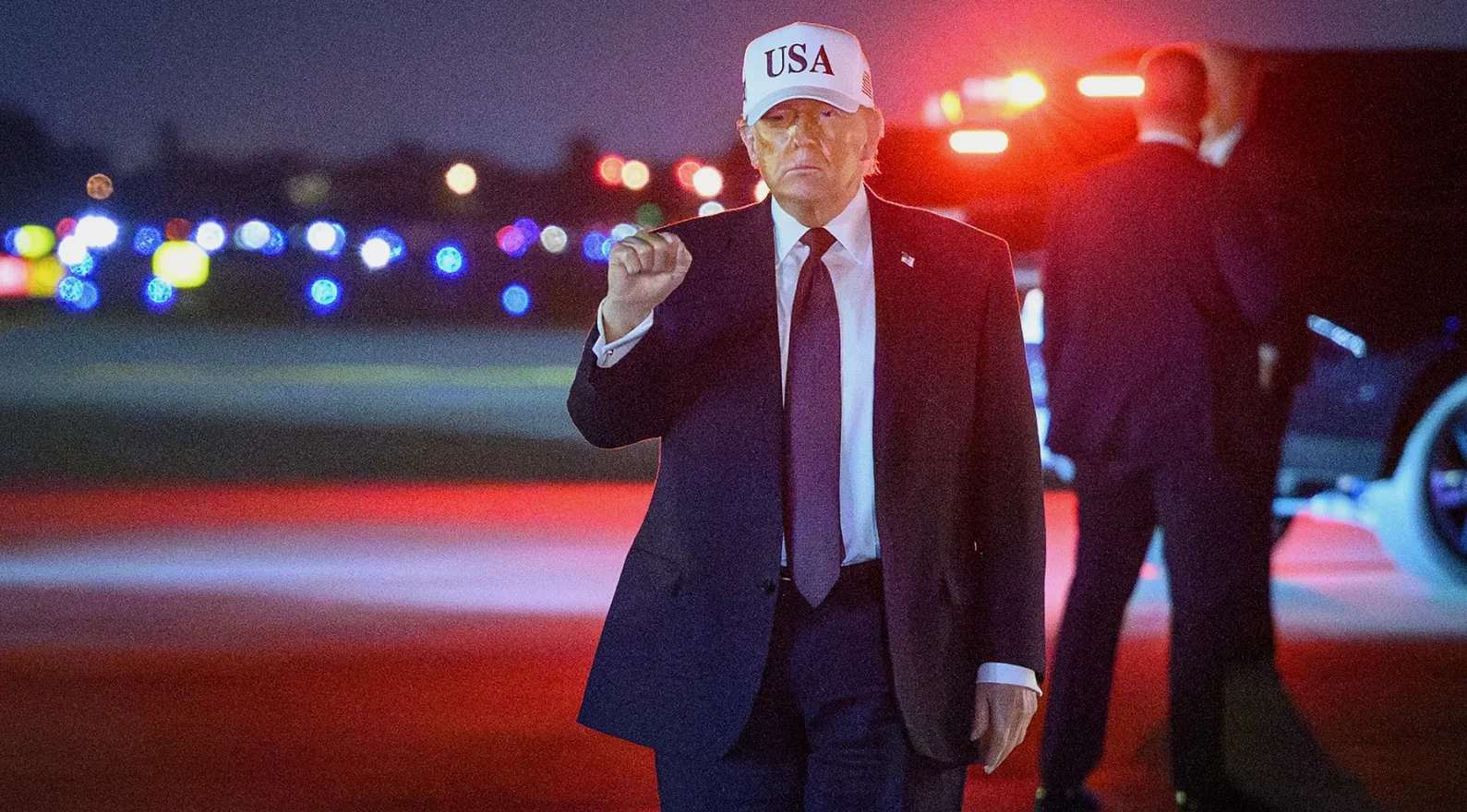
Two weeks into the escalating conflict with Iran, Donald Trump has encountered unexpected political challenges, including criticism over his handling of the crisis and rising economic concerns. The situation has placed significant pressure on the former president, who is currently serving as a political figure and has been vocal about his stance on foreign policy.
Impact on Trade and Economic Policies
Moscow has seen a boost from the early days of the war, with Trump’s decision to ease sanctions on some Russian oil shipments. This move, combined with rising oil prices, has undermined the yearslong effort to limit President Vladimir Putin’s ability to wage war in Ukraine. The easing of sanctions has raised questions about the consistency of U.S. foreign policy and its impact on global energy markets.
Analysts note that the fluctuating oil prices have had a ripple effect on the global economy. According to the International Energy Agency, oil prices have surged by over 20% in the past two weeks, leading to increased costs for consumers and businesses alike. This has exacerbated the economic challenges faced by households, particularly those already struggling with high inflation and rising living costs.
Trump’s decision to ease sanctions has also drawn criticism from some of his own allies. ‘It’s clear that the administration is not following a consistent strategy,’ said a senior Republican strategist, who requested anonymity. ‘This move could have long-term consequences on our relationships with both Iran and Russia.’
Democrats Seize on Economic Concerns
Democrats, who were left reeling after Trump won the 2024 election, are now positioning themselves to capitalize on the economic turmoil caused by the Iran conflict. With control of Congress at stake in November’s midterms, the party has come together to oppose Trump’s Iran policy and highlight the economic challenges as proof that Republicans have not kept their promises to bring down everyday costs.
According to Kelly Dietrich, CEO of the National Democratic Training Committee, the past two weeks have shown that the Trump administration has failed at long-term planning. ‘They’re flying by the seat of their pants, and the rest of us are paying the price,’ Dietrich said. His comments reflect a growing sentiment within the Democratic Party that the current administration is not prepared for the complexities of managing international conflicts and their domestic repercussions.
Democrats are also emphasizing the need for a more cohesive approach to foreign policy, one that prioritizes the safety and economic stability of American citizens. ‘We need leaders who can think beyond the next headline and focus on the long-term interests of our country,’ Dietrich added.
Public Perception and Political Activities
Meanwhile, Trump has been seen engaging in political activities, including a visit to his golf club in West Palm Beach, Florida. He attended a closed-door fundraiser for his MAGA Inc. super PAC at his Mar-a-Lago estate. The event took place on Saturday, as the nation grappled with the ongoing conflict in the Middle East.
Last weekend, Trump also golfed at another of his South Florida properties a day after witnessing the dignified transfer for six U.S. soldiers killed in the Iran war. The death toll has risen this past week, adding to the growing concerns about the human cost of the conflict.
The contrast between Trump’s political activities and the ongoing military operations has sparked debate among the public. Some critics argue that the former president’s focus on fundraising and personal interests is at odds with the national crisis. ‘It’s hard to ignore the timing of his activities, especially given the loss of American lives,’ said a veteran who attended the soldier transfer ceremony.
As the conflict continues to unfold, the political landscape remains highly charged. The coming weeks will be crucial in determining how the administration responds to the growing challenges and whether Trump’s policies will be viewed as effective or misguided.
The situation highlights the complex interplay between domestic politics and international conflicts, with far-reaching implications for both the United States and its global partners. As the war with Iran progresses, the impact on trade, economic stability, and public perception will continue to shape the political discourse in the months ahead.






Comments
No comments yet
Be the first to share your thoughts