

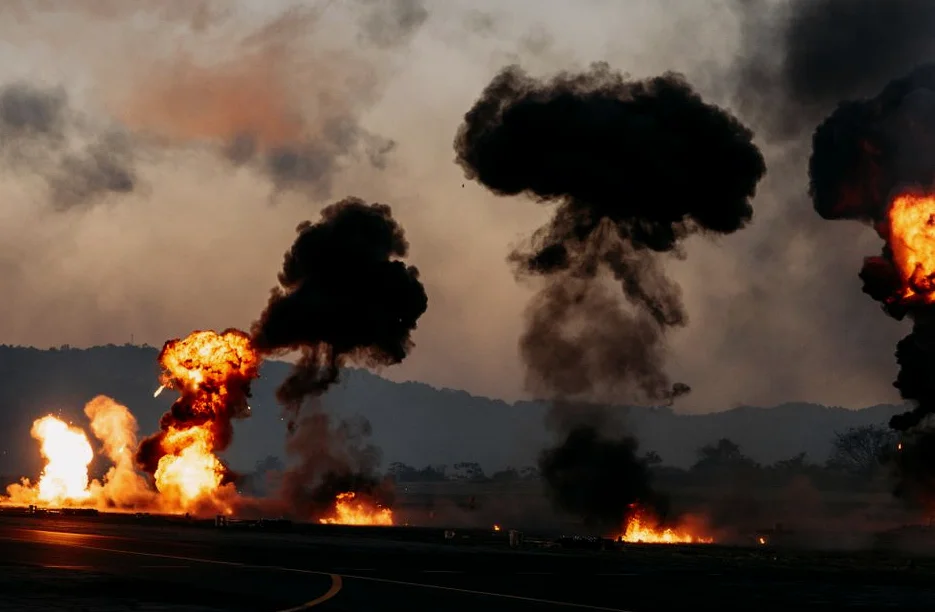
Acting Army Secretary Adam Telle said the decision to proceed was a “consensus decision” among federal agencies, the courts, and state officials. “Every expert agency agrees, and both Iowa’s current and incoming governors say the call belongs to the experts,” Telle said in a late-night post on X. “We are proceeding with the controlled removal in full coordination with all state, local and federal authorities.”
The plan to detonate 68 storage drums of degraded lead azide, a toxic explosive used in military munitions, had drawn public outcry after details emerged last week. Environmental groups filed a lawsuit to block the operation, challenging a special permit issued by the Environmental Protection Agency (EPA). The groups argued that the detonation could release a plume of toxic lead dust over nearby homes, crops and livestock.
The EPA defended the plan, saying a managed detonation would be far less risky than an uncontrolled explosion, which the agency said was growing more likely as colder weather set in. The EPA also said any attempt to chemically neutralize or move the drums would carry similar or greater risks.
President Donald Trump initially ordered the Army to delay the detonation until the court ruled in favor of the EPA. He also said Iowa’s Democratic governor-elect, Rob Sand, should approve the plan or be held responsible for any harm caused by further delays. However, after the court cleared the way, the Army moved forward with its schedule.
Sand, who does not take office until January, responded on X that the Trump administration should rely on the experts already on the ground in Middletown. He also called for transparency about how the situation developed and why the detonation is the best option.
Iowa’s current governor, Kim Reynolds, activated the state’s emergency operations center to coordinate with federal agencies. She said it was important for the state to be involved in the preparation process to protect the health and safety of Iowans.
The detonation, originally scheduled for November 20, has been delayed three times due to legal challenges and public concerns. The Iowa Department of Health and Human Services warned that the blast could produce a lead dust plume, which poses serious health risks if inhaled or if it settles on surfaces.






Comments
No comments yet
Be the first to share your thoughts