

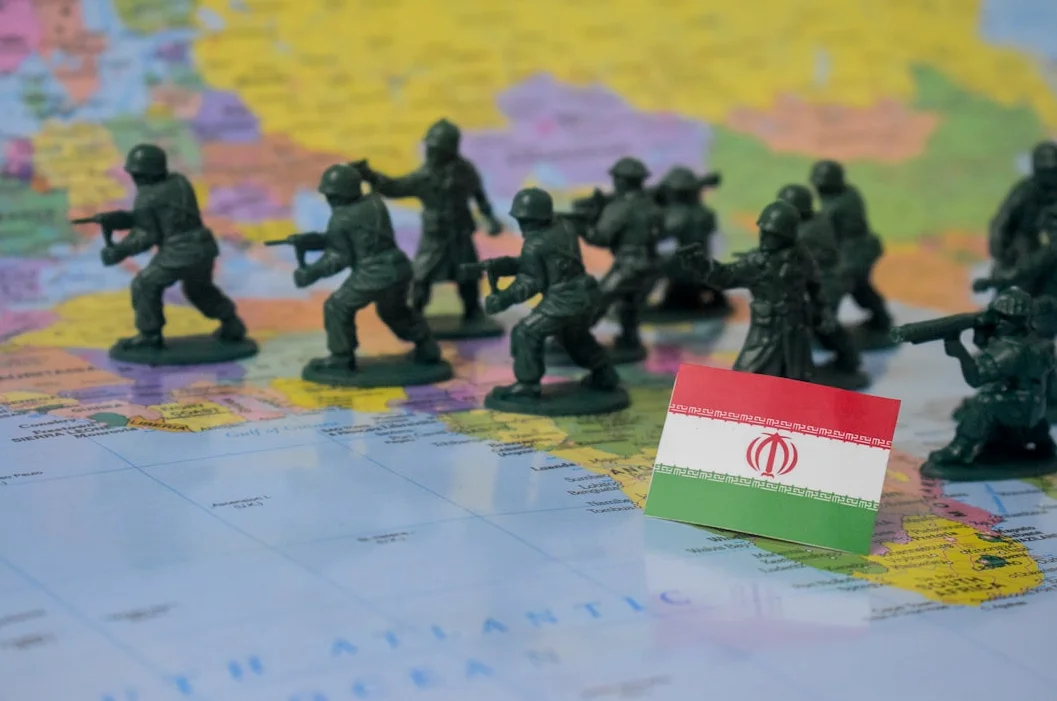
The recent U.S.-Iran ceasefire. Announced amid escalating tensions in the Middle East, has faced significant challenges. While the agreement was meant to ease hostilities, the Strait of Hormuz remains effectively closed, with only Iranian-owned ships permitted passage, according to reports from Korean and German media. This situation has raised concerns about the practical implementation of the ceasefire and its impact on global oil trade.
Strait of Hormuz Remains a Flashpoint
According to Korea Times. The Strait of Hormuz has not fully opened despite the ceasefire, with only a minimal number of ships allowed through, and these vessels, however, are predominantly owned by Iran, suggesting that the region’s maritime traffic remains under Iranian control. This has raised questions about the true scope of the ceasefire and whether it is being honored by all parties involved.
German financial news outlet boerse.de reported that crude oil trading on the platform Phemex surged by 300% in the wake of the ceasefire, indicating heightened volatility in global energy markets. The surge in trading activity reflects the uncertainty surrounding the ceasefire and its potential impact on global oil prices.
Israeli Rejection of Ceasefire in Lebanon
Israeli Prime Minister Benjamin Netanyahu has rejected any ceasefire in Lebanon, stating there is “no ceasefire in Lebanon,” according to Korea Times; this stance has complicated U.S.-Iran negotiations, as President Donald Trump had reportedly urged Netanyahu to halt attacks on Lebanon. Despite this, Israel has continued its attacks, which may disrupt planned U.S.-Iran talks scheduled for November 11.
Netanyahu’s position highlights the complex dynamics between Israel, Iran, and the United States. His refusal to accept a ceasefire in Lebanon could undermine broader regional efforts to de-escalate tensions and may hinder the effectiveness of the U.S.-Iran agreement.
Political and Economic Implications
Meanwhile, in the United States, the administration has begun distributing 2026 funds following an unusually short application period and delays, according to NBC News. This move comes amid ongoing debates over how to manage the economic fallout of the Middle East conflict.
The situation in the Middle East has also influenced financial markets. boerse.de reported that New York stocks surged as the U.S.-Iran ceasefire was announced, with the Dow Jones Industrial Average posting its largest gain since April of last year. This market response indicates that investors are cautiously optimistic about the potential for reduced conflict in the region.
However, the continued closure of the Strait of Hormuz and Israel’s rejection of a ceasefire in Lebanon suggest that the region remains highly volatile. With only Iranian-owned vessels allowed passage through the strait, the practical impact of the ceasefire on global trade remains uncertain.
As negotiations continue, the international community will be closely watching developments in both the Middle East and the financial markets. The outcome of these talks could have far-reaching consequences for global stability and economic policy.






Comments
No comments yet
Be the first to share your thoughts