

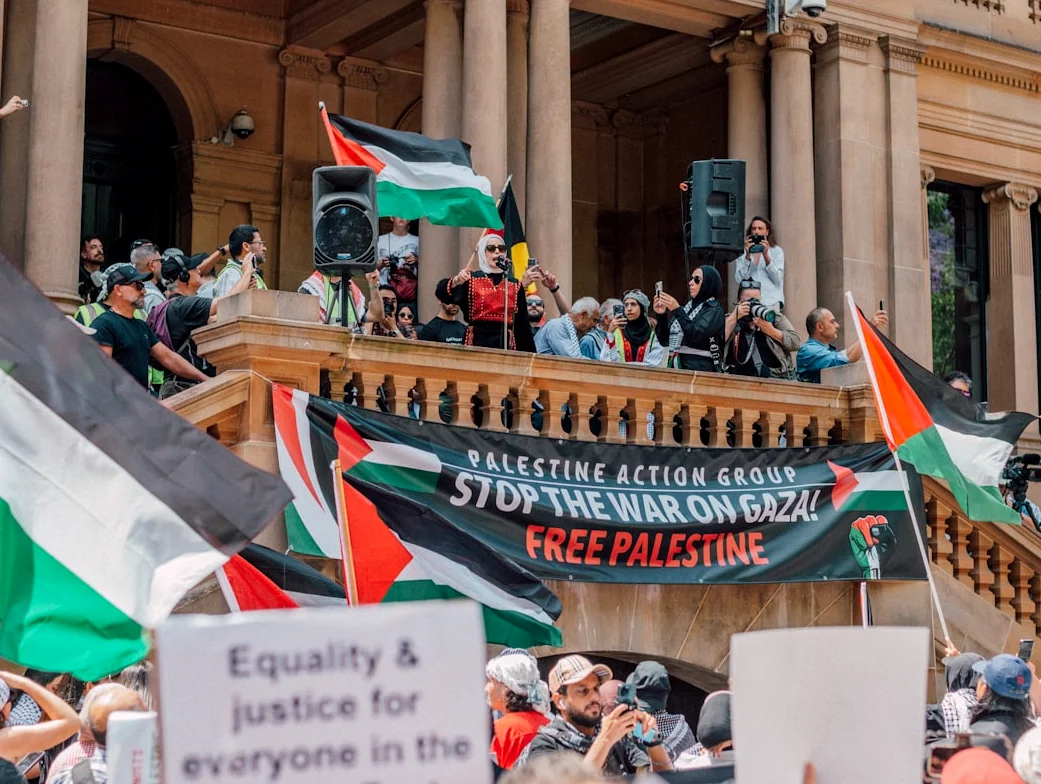
On Monday, the UK court allowed the home secretary’s appeal against an earlier decision, affirming the proscription of Palestine Action. Chief Justice Sue Carr said the group’s actions were not consistent with a non-violent, direct-action organization. She noted that the group’s campaign was “intended to close down lawful businesses” and that “future threats and risks posed to third-party individuals and property by Palestine Action were perhaps the most important factors to weigh in the balance.”
Legal and Political Reactions
Home Secretary Shabana Mahmood’s lawyers had previously argued that claims the ban significantly impacted freedom of expression were overstated. However, Palestine Action co-founder Huda Ammori said the proscription imposed “severe restrictions on the fundamental free speech and assembly rights of vast numbers of people.” Ammori vowed to challenge the decision in the Supreme Court and European Court of Human Rights, calling it “one of the most extreme attacks on free speech and the right to protest in modern British history.”
A spokesperson for Defend Our Juries, which leads the Lift the Ban campaign, said they were surprised by the court’s verdict. Meanwhile, Home Secretary Yvette Cooper stated the banning had been based on “strong security advice following serious attacks the group has committed” as well as “plans and ideas for further attacks.”
Arrests and Sentencing
Supporting Palestine Action is now a criminal offense in the UK, with membership or expressing support punishable by up to 14 years in prison under the Terrorism Act 2000. The Metropolitan Police confirmed that 67 people have been charged with supporting Palestine Action during protests in central London on 5 July and 12 July. Thames Valley Police also reported the arrest of a 60-year-old man in Bicester over a banner supporting the group. The man was released on bail while charging advice is sought.
In a separate development, four UK-based Palestine solidarity activists were sentenced as terrorists for damaging military drones and other equipment at an Elbit Systems UK factory in 2024. Justice Jeremy Johnson handed down terrorism-related sentences without the activists being convicted of terrorist offenses — a legal first in Britain. The convicted activists will serve five additional years for criminal damage with a “terrorist connection,” and one defendant received a further three years for striking a police officer during the incident.
Context and Background
Chief Justice Carr acknowledged that the proscription was “highly controversial,” but she said it was a “fundamental mistake to overlook the fact that Palestine Action overtly unlawful violence amounting to terrorism.” The court’s ruling comes amid heightened tensions following the Hamas-led attack on southern Israel on 7 October 2023, which killed about 1,200 people and saw 251 taken hostage. Since then, at least 62,122 people have been killed in Gaza, according to the territory’s Hamas-run health ministry.
The court’s decision has also sparked broader questions about the legal framework used to define and punish terrorism. The sentences given to the Elbit protesters exceed those of many individuals convicted in white supremacist riots across the UK in recent years. The Palestine Action case has drawn attention to what critics call the “Palestine exception” in legal precedents, where actions related to Palestine solidarity face harsher treatment under anti-terrorism laws.





Comments
No comments yet
Be the first to share your thoughts