

 BBC
BBC 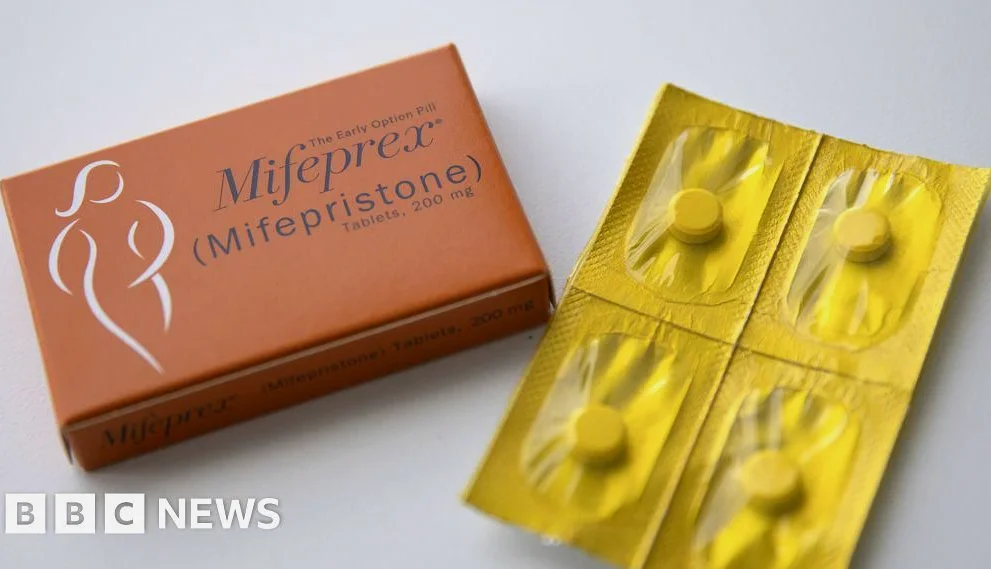
A US court has issued an order significantly restricting access to the abortion pill mifepristone by mail, according to the BBC. The decision by the Fifth Circuit Court of Appeals temporarily reinstated a requirement that abortion pills be obtained in person rather than through mail or at a pharmacy via telemedicine.
Restrictions Affect States Where Abortion Is Banned
The move curbs access to abortion pills—the most common method of terminating pregnancies in the US—in states where abortion is banned. The decision stems from a lawsuit brought by the state of Louisiana, which seeks to pause a 2023 regulation from the Food and Drug Administration (FDA) that allowed doctors to send pills without seeing patients in person.
“Every abortion facilitated by FDA’s action cancels Louisiana’s ban on medical abortions and undermines its policy that ‘every unborn child is a human being from the moment of conception and is, therefore, a legal person,'” the appeals court wrote in the order. The decision will remain in effect as the case plays out.
Regulatory Background and Legal Challenges
Mifepristone is the first of a two-pill regimen recommended by the FDA to end a pregnancy, as it is widely available in states where abortion is legal. The drugs’ availability was expanded in April 2021 when the FDA said it would lift the in-person dispensing requirement for mifepristone for the duration of the Covid-19 pandemic.
In 2023. The FDA permanently lifted that requirement, meaning the medication could be sent by mail — In 2024, the US Supreme Court unanimously rejected an effort to restrict access to mifepristone. However, the decision left the door open to other attempts to limit the availability of the drug.
Friday’s appellate order overrides a lower court’s ruling from earlier this month that paused the case while the Trump administration conducts an FDA review. Louisiana Attorney General Liz Murrill celebrated the court’s decision, saying the Biden-era rule “facilitated the deaths of thousands of Louisiana babies (and millions in other states).”
“I look forward to continuing to defend women and babies as this case continues,” she added. Julia Kaye. An attorney with the American Civil Liberties Union (ACLU), said in a statement: “This decision defies clear science and settled law and advances an anti-abortion agenda that is deeply unpopular with the American people.”.
State Responses and Medical Perspectives
New York Attorney General Letitia James said on Friday that abortion access would continue to be legal in her state, despite the appellate court’s ruling, and “In New York, our laws ensure that anyone who needs abortion care can seek it here. That has not changed. And we will continue to protect access to abortion, including medication abortion,” she said in a statement.
But Marjorie Dannenfelser. Head of Susan B Anthony Pro-Life America, said the ruling was “a huge victory for victims and survivors of Biden’s reckless mail-order abortion drug administration.” Mifepristone works by blocking a hormone called progesterone, which is necessary for a pregnancy to continue. The second drug, misoprostol, empties the uterus.
The US first approved mifepristone for the medical termination of pregnancy through seven weeks of gestation in September 2000. In 2016, its approved use was extended to 10 weeks of pregnancy. Misoprostol has been available by prescription for decades as a treatment for stomach ulcers and to manage postpartum haemorrhaging.
Its non-pregnancy related uses are probably why it has not attracted the same controversy as mifepristone. Mifepristone is also used to treat women who have suffered miscarriages and Cushing syndrome, a hormone-related condition. The American College of Obstetrics and Gynaecologists (ACOG) and other mainstream medical organisations say both mifepristone and misoprostol are safe.
US studies say the two-step medication government is about 95% effective in ending pregnancy and requires further medical follow-up less than 1% of the time.






Comments
No comments yet
Be the first to share your thoughts