

 Reuters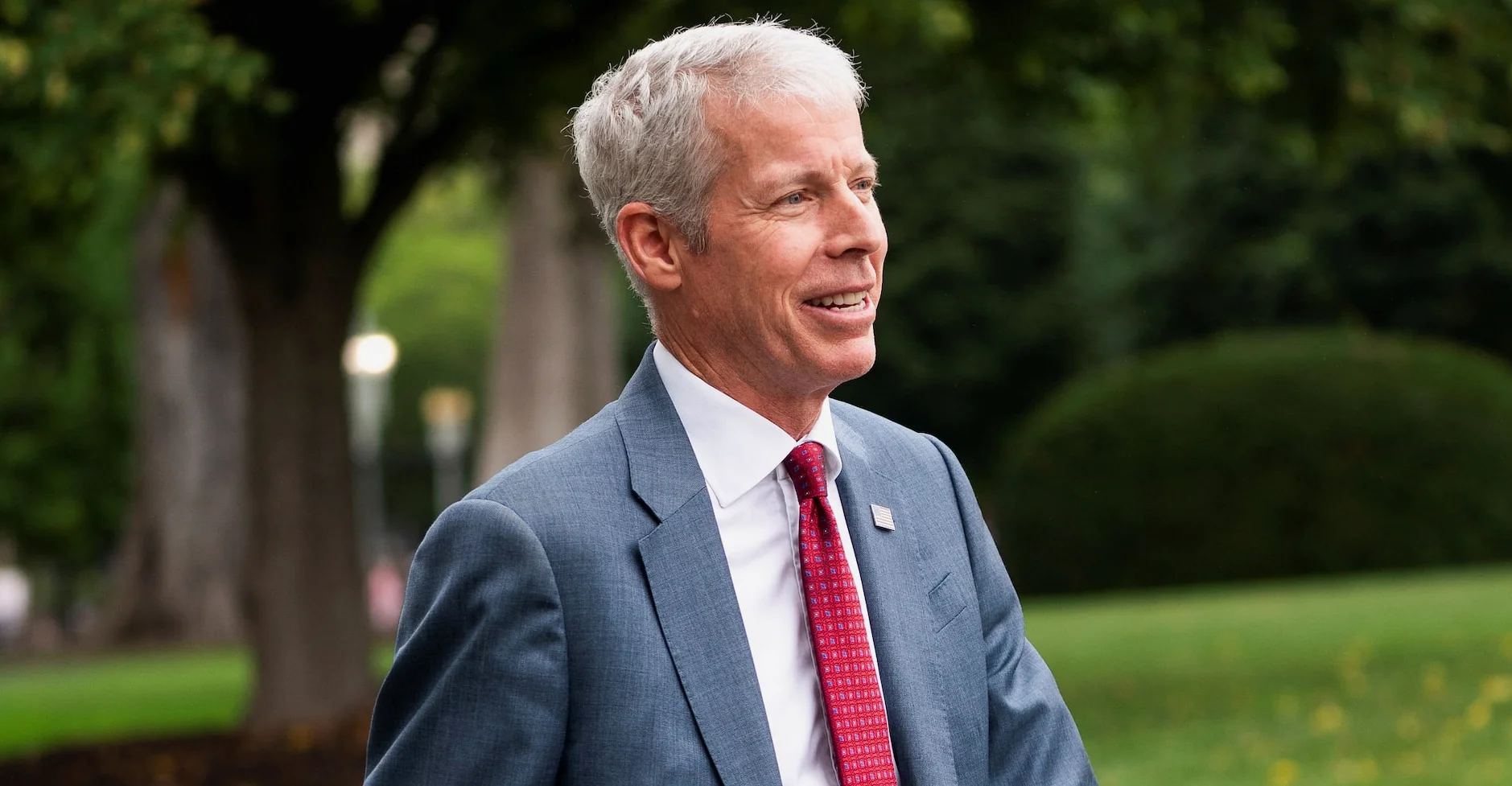
PARIS — U.S. Energy Secretary Chris Wright delivered a stark warning to the International Energy Agency on Friday, telling the Paris-based organization to eliminate net zero emissions targets from its forecasts or risk losing American membership and funding.
The demand targets the IEA’s annual World Energy Outlook, which includes a net zero scenario aimed at guiding global energy policy toward limiting warming. IEA Director Fatih Birol declined to comment directly on Wright’s mandate but emphasized that the agency’s data remains trusted worldwide for its reliability.
Officials from European countries attending the IEA’s biennial meeting brushed aside the U.S. threat. They restated commitments to transitioning away from fossil fuels, according to participants. The IEA, created in the 1970s after oil supply shocks, supplies research and statistics to the U.S. and other advanced economies.
Washington contributes roughly $6 million annually to the agency’s $22 million budget. Losing that support would strain operations, though European backers provide the bulk of financing.
Wright’s move aligns with the Trump administration’s broader rejection of international climate initiatives. President Donald Trump has prioritized expanding oil, gas and coal production while curbing renewable energy growth. This week alone, his team revealed plans to relax Environmental Protection Agency rules on mercury and hazardous air toxics from power plants.
The EPA argues the rollback will cut costs for utilities operating aging coal facilities, especially as electricity demand surges from AI data centers. Public health advocates counter that looser standards endanger vulnerable populations through increased pollution.
The ultimatum revives tensions rooted in the 2015 Paris Agreement, where the U.S. and nearly 200 nations pledged to curb fossil fuel use and hit net zero greenhouse gases by 2050. Trump withdrew from the accord early in his first term, only for the Biden administration to rejoin before Trump’s recent return to office.
IEA scenarios have long influenced policy debates. The net zero pathway projects a world slashing emissions through electrification, renewables and efficiency gains. U.S. officials now view it as overly prescriptive, clashing with domestic energy priorities.
At the Paris gathering, Wright reportedly pressed for scenarios emphasizing abundant fossil fuels alongside emerging technologies like carbon capture. European delegates pushed back, citing the urgent need to meet Paris targets amid record heat.
Separate climate data highlights the stakes. The U.S. National Oceanic and Atmospheric Administration’s 2025 Arctic Report Card declared the October 2024-September 2025 period the warmest on record since 1900. The Arctic is warming at more than twice the global average pace, the report states.
Elsewhere, Spain allocated 7 billion euros ($8 billion) in aid for residents hit by storms in Extremadura and Andalusia regions. Researchers in Cape Verde noted loggerhead turtles nesting earlier than usual, linked to warming Atlantic waters—a shift that raises new ecological concerns despite initial optimism.
U.S. states continue resisting data center expansions over pollution fears, even as national demand for computing power grows. The Trump administration’s policy pivot signals a potential rift at the IEA, where consensus has long driven energy analysis.
Birol’s team has not outlined next steps. Agency members will reconvene soon to address the standoff, sources said.






Comments
No comments yet
Be the first to share your thoughts