

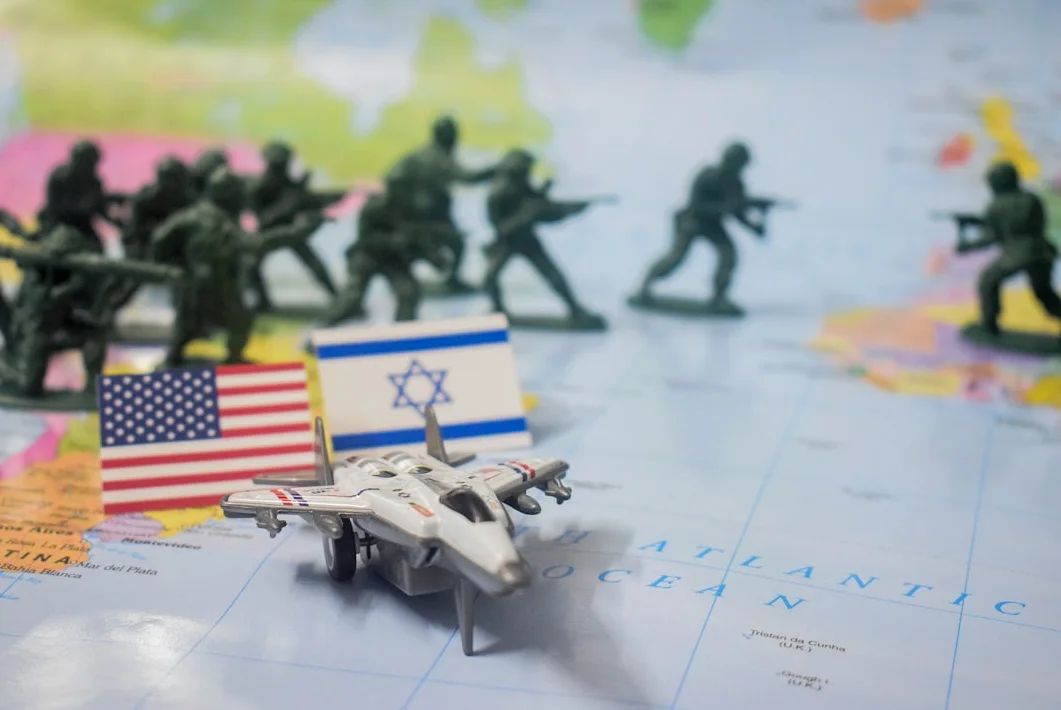
As the US-Israel war with Iran enters its 29th day, the conflict continues to escalate across multiple fronts, with attacks reported from Yemen, Lebanon, and within Iran itself. At least 10 US service members were wounded in an Iranian attack on a Saudi air base, according to CNN, while Al Jazeera reported that Israeli forces killed four farmers in southern Lebanon and that Iran’s digital blackout has now reached 672 hours. Meanwhile, teleSUR estimated that more than 740 civilians have been killed in Iran due to the conflict.
Escalation in Multiple Fronts
The conflict has expanded beyond traditional battlefields, with Yemen reportedly launching its first direct attack on Israel. Al Jazeera reported that the first strike from Yemen marked a new phase in the war, suggesting that the conflict is no longer confined to Iran and its immediate allies. This development has raised concerns about the potential for a broader regional war, with teleSUR noting that Yemen has ‘the trigger in its hand’ to attack Israel in defense of Iran.
Meanwhile, Israeli military operations have intensified in southern Lebanon, where an Israeli strike reportedly killed four farmers, but Al Jazeera cited Israeli army sources confirming that two senior Hezbollah communication officials were also killed in a separate strike. These attacks highlight the growing involvement of Hezbollah in the conflict, with both sides exchanging fire and launching attacks across the border.
According to CNN. The war has also taken a cyber dimension, with Iran-linked hackers breaching FBI Director Kash Patel’s personal emails. This incident shows the increasing role of cyber warfare in modern conflicts and raises questions about the potential for further disruptions to critical infrastructure and government operations.
Human and Economic Impact
The human toll of the conflict continues to mount, with teleSUR estimating that over 740 civilians have been killed in Iran since the war began. This figure includes both direct casualties from attacks and indirect deaths due to the humanitarian crisis, including shortages of food, water, and medical supplies. The prolonged conflict has also led to a digital blackout in Iran, which Al Jazeera reported has now reached 672 hours, leaving millions of Iranians without access to the internet and global communication.
The economic impact is also being felt globally, with CNN noting that the Dow Jones index closed in correction as the war with Iran roils financial markets. The uncertainty surrounding the conflict has led to increased volatility in oil prices and a general decline in investor confidence. Additionally, the war has disrupted trade routes in the Red Sea, with reports indicating that the use of the Red Sea for military operations by the US and Israel has raised concerns among regional actors.
In response to the growing instability, some analysts have warned that the war could have multigenerational impacts, as reported by Al Jazeera in a video analysis. The video emphasized that the conflict is not just a military affair but a deepening crisis that could reshape the region for decades to come.
Regional and International Reactions
The war has also sparked diplomatic tensions, with teleSUR reporting that US President Donald Trump has continued to make threats against Cuba, stating that ‘Cuba is the next’ after the US military actions against Venezuela and Iran. This rhetoric has raised concerns about the potential for further US military involvement in Latin America.
In Argentina, President Javier Milei has sent a bill to Congress that would allow the sale of rural land to foreigners, a move that could have significant implications for the country’s agricultural sector and land sovereignty. This development, however, is largely unrelated to the ongoing conflict in the Middle East and is more reflective of domestic policy shifts.
Meanwhile, in Cuba, President Miguel Díaz-Canel has praised a group of young revolutionaries for their contributions to the country’s development. This gesture, while symbolic, highlights the internal focus of Cuban leadership amid the broader geopolitical tensions unfolding in the Middle East.
As the war enters its third week, the next phase of the conflict remains uncertain. Analysts suggest that the involvement of Yemen and the potential for a broader regional war could lead to further escalation. The US and Israel have not yet indicated a definitive strategy for de-escalation, and Iran has shown no signs of backing down.
With the digital blackout in Iran reaching 672 hours and the humanitarian crisis deepening, international pressure is mounting on all sides to find a diplomatic resolution. However, with military operations continuing and political rhetoric flaring, the path to peace remains unclear.
Why It Matters
The ongoing conflict has far-reaching implications, not only for the Middle East but also for global security and economic stability. The involvement of multiple regional actors, including Yemen, Lebanon, and Hezbollah, has created a complex and volatile situation that could spill over into other parts of the world. The humanitarian crisis in Iran and the disruption of global trade routes in the Red Sea further show the importance of finding a resolution to the conflict.
As the war enters its 29th day, the international community is watching closely, hoping for a diplomatic breakthrough that could prevent further loss of life and economic instability. The stakes are high, and the outcome of this conflict could shape the geopolitical landscape for years to come.






Comments
No comments yet
Be the first to share your thoughts