

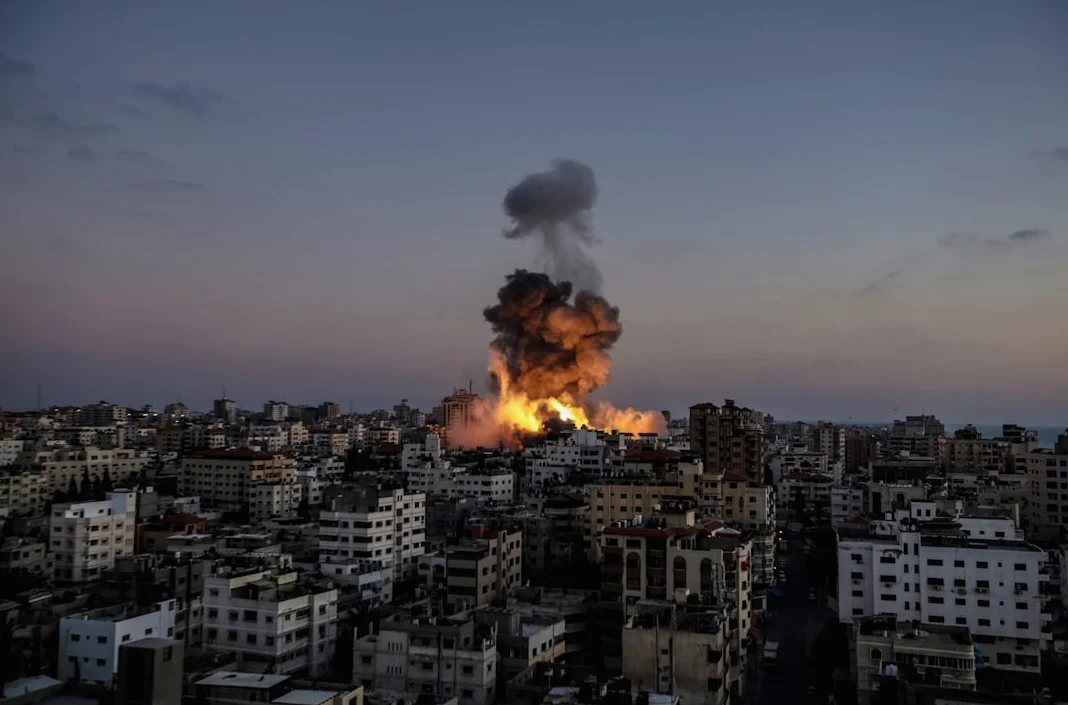
The US-Israeli conflict. Often described as a ‘war on humanity’ by some media outlets, has escalated dramatically in recent weeks with attacks on Iranian infrastructure and increasing international concern over the humanitarian impact. Reports from Al Jazeera. The Straits Times, and Amnesty International indicate that the situation is growing more complex, with regional tensions and global diplomatic efforts playing a central role.
Escalation of Hostilities and Humanitarian Impact
The conflict has seen a series of attacks on Iranian facilities, including strikes on Al Araby TV offices in Tehran and a reported attack on an aluminum smelting plant near the Strait of Hormuz. According to Al Jazeera, these strikes have been described as part of a ‘consistent and clear pattern’ aimed at undermining Iran’s sovereignty. The Israeli military’s advance toward the Litani River in Lebanon has also raised concerns about further regional instability.
In Israel, Iranian missiles have reportedly injured at least eight people, according to The Straits Times. Meanwhile, the US has deployed thousands of Marines to the Middle East, signaling a possible escalation in military involvement. This troop movement has raised questions about the US’s long-term strategic goals in the region.
Amnesty International has criticized US President Donald Trump’s threats to attack Iran’s power plants, calling it a potential threat to commit war crimes. The organization argues that such statements could further inflame tensions and endanger civilian lives. ‘Trump’s warning that the USA will attack Iran’s power plants is a threat to commit war crimes,’ the organization stated.
International Diplomatic Efforts to De-escalate Tensions
Amid the rising tensions, foreign ministers from Pakistan, Turkey, Egypt, and Saudi Arabia have held talks in Islamabad to seek a resolution to the conflict. According to Al Jazeera, these discussions aim to address the ‘US-Israel war on Iran’ and prevent further escalation. The participating nations have emphasized the need for dialogue and regional cooperation to mitigate the humanitarian impact of the ongoing conflict.
Japan’s Kyodo News reported that Japanese officials have expressed concern over the potential for a wider conflict in the Middle East. They have called for restraint and urged all parties to avoid actions that could lead to a full-scale war. ‘We are closely monitoring the situation and urging all parties to exercise restraint,’ a Japanese official told Kyodo News.
Meanwhile, the United Nations has designated the African slave trade as ‘the gravest crime against humanity,’ a move that has drawn attention to the ongoing humanitarian issues in the Middle East. While the decision is not directly related to the current conflict, it highlights the global community’s focus on human rights and the need for international cooperation in addressing such issues.
Regional and Global Reactions to the Escalation
The conflict has sparked reactions from across the globe. In South Korea, officials have expressed concern over the potential for the US-Israeli conflict to impact regional security. ‘We are closely monitoring the situation and are prepared to take necessary measures to ensure our national security,’ a South Korean official stated.
In India, analysts have warned that the ongoing conflict could have economic repercussions, particularly for oil prices and trade routes in the Gulf. ‘The situation in the Middle East is highly volatile, and any escalation could have serious economic consequences,’ an Indian analyst said.
Amnesty International has also highlighted the potential for civilian casualties in the conflict, urging all parties to adhere to international humanitarian law. ‘It is imperative that all parties respect the principles of international humanitarian law and protect civilians,’ the organization stated.
The Humanitarian and Political Consequences
The ongoing conflict has already resulted in significant humanitarian challenges, including displacement, economic instability, and the risk of a broader regional war. According to Al Jazeera, attacks on Iranian universities and cultural sites have raised concerns about the potential for long-term damage to the country’s infrastructure and social fabric.
Amnesty International has called for an independent investigation into the humanitarian impact of the conflict, emphasizing the need for transparency and accountability. ‘It is essential that the international community supports efforts to investigate the humanitarian impact of the conflict and ensure that those responsible are held accountable,’ the organization stated.
Meanwhile, the UN has emphasized the importance of diplomatic efforts to prevent further escalation. ‘The international community must work together to prevent further violence and ensure that the rights of all people are protected,’ a UN official said.
What’s Next and Why It Matters
The ongoing conflict raises significant concerns about the potential for a broader regional war and the humanitarian impact on civilians. The international community is closely watching the situation, with diplomatic efforts ongoing to de-escalate tensions. The US’s military presence in the region, combined with Israel’s actions and Iran’s responses, could lead to further instability.
What’s next depends on the willingness of all parties to engage in dialogue and de-escalate the conflict. The humanitarian impact of the conflict is already being felt, and without immediate action, the situation could worsen significantly. The international community must remain vigilant and continue to support efforts to resolve the crisis peacefully.
The US-Israeli conflict is not just a regional issue but a global concern. The potential for a wider war and the humanitarian impact on civilians make this one of the most pressing issues of the day. The international community must work together to find a solution and prevent further escalation.






Comments
No comments yet
Be the first to share your thoughts