

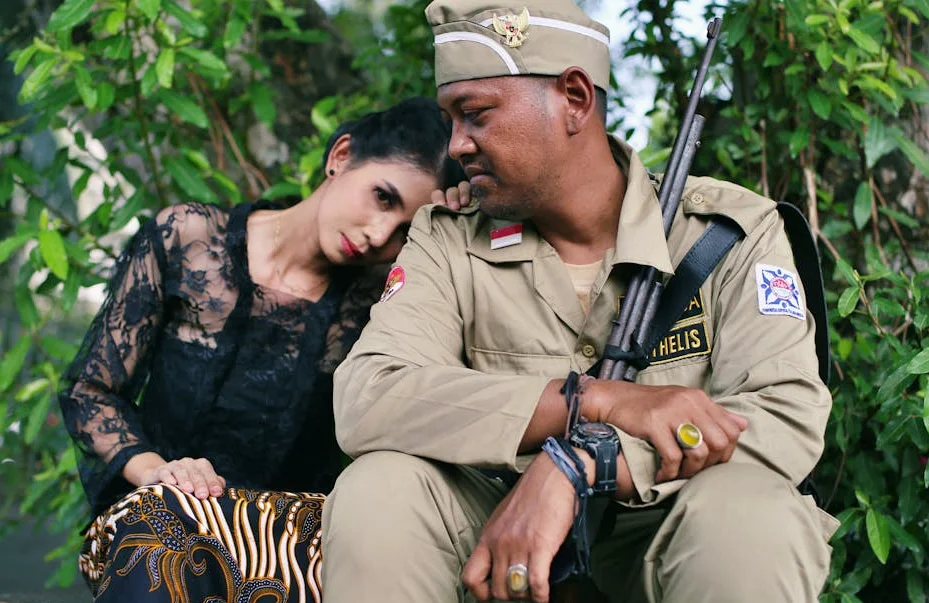
Recent developments in the Middle East suggest that the United States is not only engaging in military operations against Iran but also using digital platforms to reshape narratives around these actions. This approach. Dubbed ‘meme warfare. ‘ has gained traction as a means to counteract the growing international criticism of US-led actions in the region.
Origins and Use of ‘Meme Warfare’
According to Al Jazeera. The US has been using social media to create and disseminate content that frames its military actions as a form of cultural resistance, often using humor and irony to downplay the gravity of the situation. This approach has been particularly evident in response to Iran’s missile strikes against US interests in the region, where American officials have shared memes depicting the attacks as ‘a joke’ or ‘a PR stunt’ meant to distract from the real issues at hand.
Experts suggest that this strategy is not only aimed at domestic audiences but also at international observers. By using familiar internet culture. The US seeks to make its military actions appear less aggressive and more relatable to younger generations of internet users around the world. According to a report by Modern Ghana, this approach is part of a broader digital strategy that includes the use of hashtags, viral videos, and social media influencers to shape public opinion.
However, this strategy has not been universally accepted; Critics argue that it risks trivializing the serious consequences of military actions, including civilian casualties and regional instability. Some analysts have pointed out that the use of memes may backfire by appearing dismissive of the real harm caused by US-led operations.
Regional Reactions and Diplomatic Efforts
Al Jazeera reports that the ongoing tensions have prompted high-level diplomatic talks among several Middle Eastern nations. Foreign ministers from Pakistan. Turkey, Egypt, and Saudi Arabia convened in Islamabad to discuss ways to de-escalate the situation and find a diplomatic resolution to the conflict. According to the report. These meetings were held in response to the growing number of attacks and the increasing risk of a wider regional war.
During these talks. Officials from these countries emphasized the need for a unified approach to counter US and Israeli military actions in the region. The discussions reportedly focused on the need for a coordinated response to the missile attacks that have targeted both civilian and military infrastructure in several countries, including Kuwait and Lebanon.
Modern Ghana notes that these diplomatic efforts have been accompanied by increased security measures in several countries. For example, in Kuwait, at least 10 soldiers were wounded in a recent missile attack, according to local reports. In Israel, four people were injured in an attack in Beersheba, further highlighting the human cost of the ongoing conflict.
Local Impact and Civilian Response
The impact of the US-led military operations has been felt most acutely by civilians in the affected regions. In Lebanon, Israeli Prime Minister Benjamin Netanyahu has ordered the expansion of a ‘buffer zone’ in the south, a move that has been met with resistance from local communities who fear further displacement and instability.
According to Al Jazeera, the expansion of the buffer zone is part of a broader Israeli strategy to secure its southern border and prevent further attacks from Iranian-backed groups. However, this has raised concerns among local residents, who have seen their homes and livelihoods disrupted by the ongoing conflict.
Meanwhile, in Pakistan, the government has been hosting a high-stakes summit with Saudi Arabia, Turkey, and Egypt to address the growing regional tensions. Pakistani Prime Minister Shehbaz Sharif has emphasized the need for a collective response to the threat posed by US and Israeli military actions in the region.
Local communities in Pakistan have expressed concern over the potential for the conflict to spill over into their country. According to Modern Ghana, many residents fear that the situation could lead to increased instability and economic hardship, particularly in the border regions where the impact of the conflict is most visible.
International Perspectives and Reactions
The US strategy of using memes to frame its military actions has drawn mixed reactions from the international community. While some countries have expressed support for the US approach, others have criticized it as an attempt to downplay the real consequences of the conflict.
According to Al Jazeera, European Union officials have called for a more transparent and responsible approach to military actions in the region. They have emphasized the need for a diplomatic resolution to the conflict rather than the use of digital propaganda to justify continued military engagement.
Meanwhile, in Africa, the response has been more varied. Modern Ghana reports that while some African leaders have expressed concern over the impact of the conflict on regional stability, others have been more cautious in their comments, avoiding direct criticism of the US approach.
Some analysts suggest that the use of memes by the US has had a mixed effect on public opinion. While it has helped to generate support among younger internet users, it has also raised concerns among older generations and policymakers who see it as a form of distraction from the real issues at hand.
What’s Next and Why It Matters
The ongoing conflict in the Middle East and the US strategy of using memes to frame its military actions have significant implications for regional and global stability. According to Al Jazeera, the situation is likely to remain tense in the coming months as both sides continue to escalate their military and diplomatic efforts.
The expansion of the Israeli buffer zone, the ongoing diplomatic talks in Islamabad, and the increasing use of digital propaganda by the US all point to a complex and evolving situation. Analysts warn that the risk of a wider regional war remains high, particularly if the current diplomatic efforts fail to produce a resolution.
According to Modern Ghana, the number of casualties and injuries continues to rise, with reports of at least 10 Kuwaiti soldiers wounded in a recent missile attack. The human cost of the conflict is also a growing concern. These figures highlight the real-world impact of the conflict on civilians and military personnel alike.
As the situation unfolds, the international community will be watching closely to see whether the diplomatic efforts in Islamabad can lead to a de-escalation of tensions. The success or failure of these talks could have far-reaching consequences for the region and the global balance of power.



Comments
No comments yet
Be the first to share your thoughts