

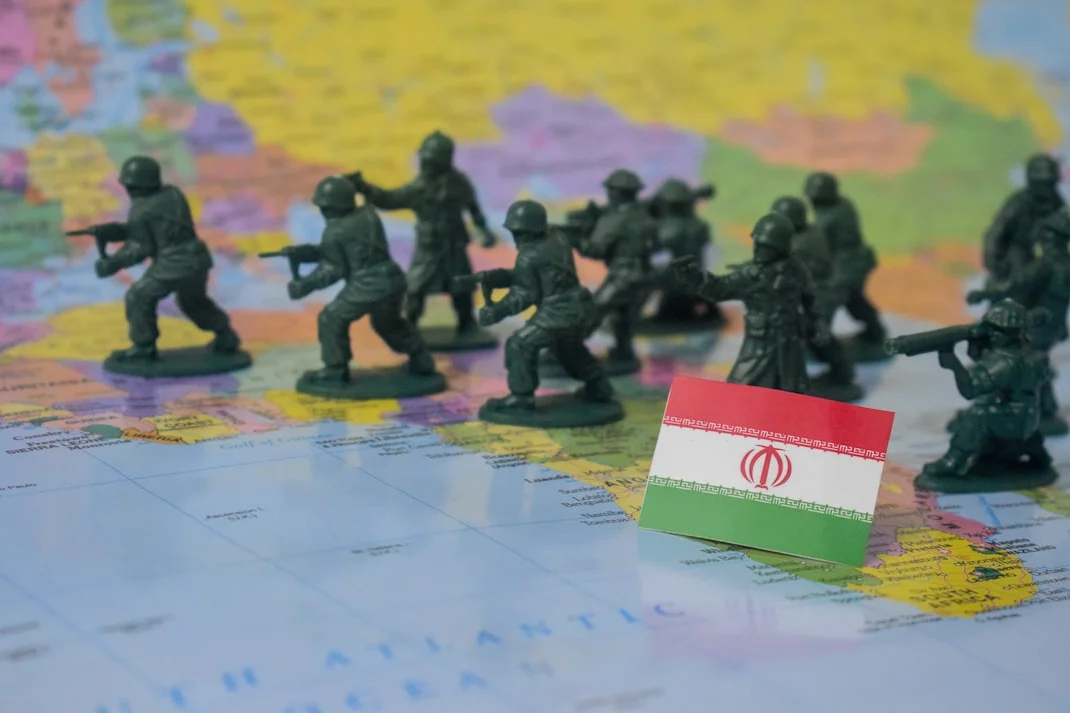
The United States’ involvement in the war with Iran has sparked significant controversy, with critics arguing that the spending is both reckless and detrimental to global stability. According to the UN. The $2 billion spent daily on the conflict could have funded a $23 billion initiative aimed at saving 87 million lives, according to UN official Fletcher. However, the budget for this initiative is currently $10 billion short of the target.
Economic and Human Costs
Vermont Senator Peter Welch has called President Donald Trump’s decision to go to war with Iran “absolutely reckless,” as the administration’s proposed 2027 defense budget seeks $1.5 trillion in funding, which is about 40% more than the Pentagon received this year. Welch highlighted the financial burden on American households, stating that the war is costing $2 billion per day and that the proposed $200 billion funding would equate to a $1,400 increase per household in Vermont. He warned that this would lead to a $2,000 annual increase in gas bills for families.
Welch acknowledged the service of Vermont’s Air Guard in the Middle East but emphasized the negative impact of the war on Vermont families, businesses, farmers, and truckers. He also noted that the budget increase would be funded by cuts to domestic spending, including $73 billion in reductions to agencies managing climate, housing, and education programs.
Criticism of Trump’s Foreign Policy
Senator Landry Paul has strongly criticized the war with Iran and the resulting inflation, stating that rising fuel prices are “hitting American households hard.” He warned that the endless war and reckless spending would lead to real consequences. Paul also criticized the Trump administration’s intervention in the Middle East, arguing that there is no sufficient evidence that Iran is close to possessing nuclear weapons. He expressed respect for Trump’s claim to avoid involvement in the region but stated he does not want to see U.S. troops stationed in Iran.
Paul further criticized the growing national debt, attributing it to the “military-industrial complex.” He pointed out that the administration is considering another defense spending package, which he argues is a national security issue. Meanwhile, Transportation Secretary Shaun Donnelly defended rising fuel prices, criticizing “progressive media” for reporting on the issue, while California Governor Gavin Newsom criticized Trump for his role in the rising oil prices, citing a 2013 social media post where Trump warned about rising gas prices.
UN Criticism of US Foreign Policy
Fletcher, a UN official, described the U.S. approach to the war with Iran as “reckless” and warned that normalizing the language of destruction and targeting civilian infrastructure breaches international law. He criticized the Trump administration’s approach to diplomacy, comparing it to “real-estatecraft” rather than “statecraft,” stating that the administration prioritizes personal relationships over institutional frameworks, though Fletcher emphasized that statecraft relies on certainty, stability, and process, contrasting it with the Trump team’s approach.
Fletcher also noted that despite the challenges, he has made progress in convincing the Trump administration that the UN is not merely a collection of bureaucratic figures but a legitimate institution that plays a vital role in global diplomacy. He stressed the need to avoid normalizing aggressive rhetoric and actions that could embolden other autocrats around the world.
The war with Iran has also had a significant impact on global oil prices, which have fluctuated dramatically, reaching nearly $120 per barrel before dropping to over $79. This volatility has further exacerbated the financial burden on American households, with fuel prices rising to over $3.50 per gallon, the highest since 2024.






Comments
No comments yet
Be the first to share your thoughts