

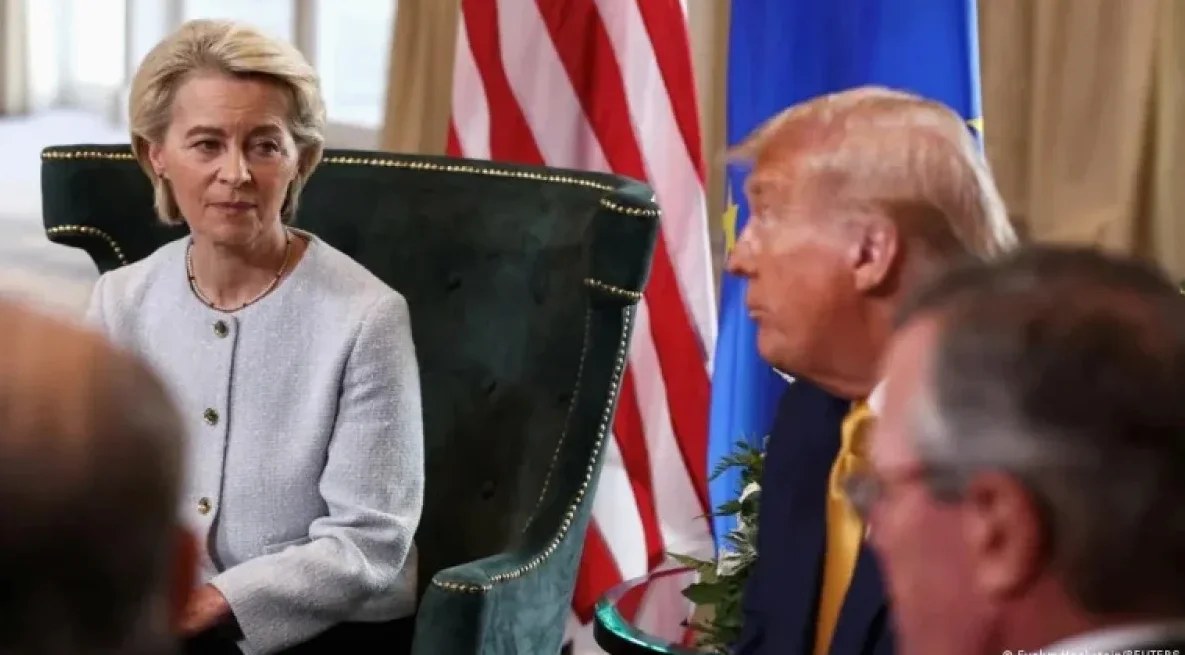
A US Supreme Court ruling on Thursday declared the bulk of tariffs enacted during President Donald Trump’s administration unlawful, sending ripples through global trade networks. The decision targeted duties imposed under the International Emergency Economic Powers Act, a tool Trump used aggressively against imports from Europe, China and beyond.
European officials reacted swiftly. French President Emmanuel Macron called the verdict a healthy display of power balances in democracies. “It is good to have power and counterweights to power,” he said in Paris. German Chancellor Friedrich Merz echoed that praise, according to a statement from his office. Both leaders see the ruling as validation of US institutional guardrails, even as they eye disruptions to ongoing deals.
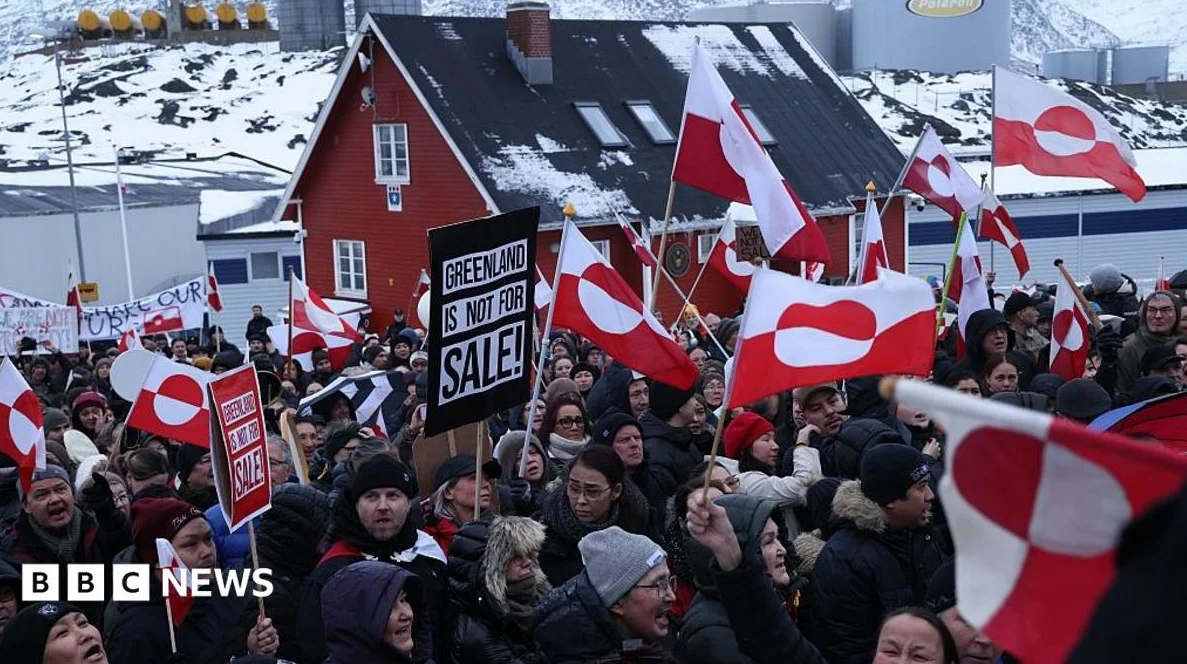
The judgment halts a key pillar of Trump’s protectionist agenda. It directly affects the EU, where lawmakers had shelved ratification of a major trade pact with Washington amid tensions, including Trump’s past overtures to buy Greenland. EU diplomats now face tough choices on whether to revive talks or adjust tariff countermeasures. A vote scheduled for next month hangs in the balance, sources in Brussels said.
Canada and Australia, hit hard by the original levies on steel and aluminum, also stand to gain. Ottawa officials plan to review its own retaliatory duties during bilateral talks set for Ottawa in early December, according to trade ministry spokespeople. In Canberra, exporters anticipate smoother access to US markets but worry about Trump’s next steps. Australian Trade Minister Dan Tehan noted the ruling could stabilize supply chains strained since 2018.
Germany’s Chamber of Industry and Commerce demanded quick EU action. The group urged commissioners in a letter Friday to map out impacts on automotive and machinery sectors, which faced billions in US duties. “Clarity is essential for investment decisions,” it stated.
Trump administration lawyers signaled appeals. White House trade adviser Robert Lighthizer, in a Fox News interview, vowed to pivot to other statutes like Section 232 of the Trade Expansion Act for national security tariffs. Such shifts could target EU autos anew, complicating negotiations.
Markets responded with caution. The euro rose 0.8% against the dollar Friday morning in London trading. Shares in Volkswagen and Airbus climbed 2-3%, reflecting bets on eased pressures. Broader indices in Toronto and Sydney dipped slightly on fears of retaliatory spirals.
Analysts predict a flurry of activity. EU trade chief Valdis Dombrovskis scheduled a Brussels briefing for Monday to outline responses. US Commerce Secretary Wilbur Ross faces congressional hearings next week on compliance timelines. Businesses from Detroit to Dortmund prepare contingency plans, with supply chain managers citing the ruling as a ‘game-changer’ in internal memos reviewed by .
The decision highlights fractures in global commerce. Trump’s tariffs, rolled out from 2018 onward, generated $80 billion in revenue but sparked $120 billion in partner retaliation, World Trade Organization data shows. Now, with courts reining in executive power, partners recalibrate alliances forged under pressure.
Outcomes remain fluid. Resumed EU-US dialogues could unlock a $1.2 trillion annual trade flow. Yet persistent threats—on digital taxes or aircraft subsidies—loom large. Watchdogs like the WTO in Geneva monitor for violations as talks unfold.



Comments
No comments yet
Be the first to share your thoughts