

 Al Jazeera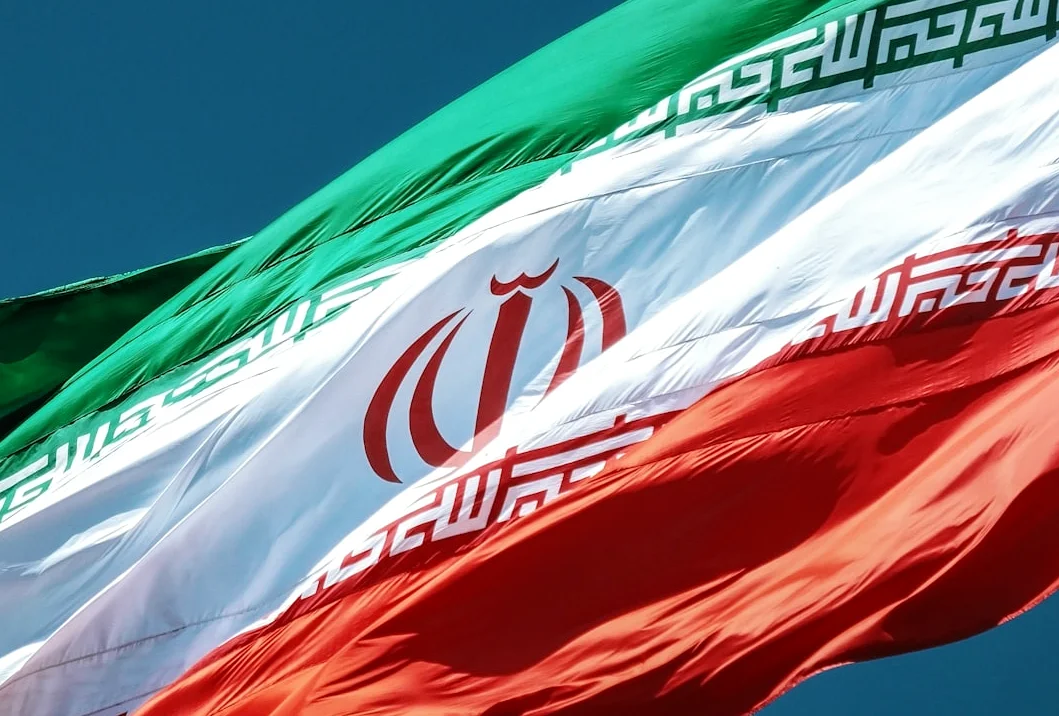
The United States has reiterated its commitment to protecting its interests in the Gulf, with President Joe Biden stating, ‘We will not allow any destabilizing actions to go unchecked.’ This declaration follows a recent uptick in regional hostilities, including Israeli strikes that have resulted in civilian casualties.
Escalating Tensions and Regional Responses
In response to the Israeli military operations in Lebanon, Hezbollah, a Lebanese political and military organization, has announced its readiness to retaliate. A statement from Hezbollah said, ‘We are prepared to defend our people and our land from any aggression.’ The group has a history of engaging in armed conflict with Israel, often resulting in significant regional instability.
Meanwhile, the Iranian government has also expressed concern over the situation. Iran’s foreign minister, Hossein Amir-Abdollahian, stated, ‘The current tensions in the region threaten peace and security for all nations.’ Iran has long supported groups like Hezbollah and has historically positioned itself as a key player in the region’s geopolitical terrain.
International Reactions and Diplomatic Efforts
The United Nations has called for restraint from all parties involved in the escalating conflict. A spokesperson for the UN Security Council said, ‘We urge all sides to de-escalate the situation to prevent further loss of life.’ The council has scheduled an emergency meeting to discuss potential resolutions aimed at mitigating the conflict.
European Union officials have also weighed in, with the EU’s foreign policy chief, Josep Borrell, stating, ‘We are closely monitoring the situation and are prepared to engage in diplomatic efforts to restore calm.’ The EU has previously mediated in regional conflicts and is likely to play a role in future negotiations.
Impact on Regional Stability and Global Markets
The ongoing conflict has raised concerns about the stability of global oil markets, particularly in the Gulf. Analysts have noted that any disruption in the region could lead to increased oil prices. According to the International Energy Agency, the Gulf accounts for a significant portion of global oil production, and any instability could have far-reaching economic consequences.
In addition to economic concerns, the humanitarian impact of the conflict is also a growing worry. The United Nations High Commissioner for Refugees has reported an increase in displaced persons in Lebanon. A spokesperson said, ‘We are deeply concerned about the welfare of civilians caught in the crossfire and are coordinating with local authorities to provide necessary aid.’
As the situation continues to unfold, both regional and international actors are closely monitoring developments. The United States has deployed additional military assets to the Gulf to reinforce its commitment to protecting its interests. A Defense Department official said, ‘These measures are intended to deter any potential threats and ensure the safety of our personnel and allies.’






Comments
No comments yet
Be the first to share your thoughts