

 BBC
BBC 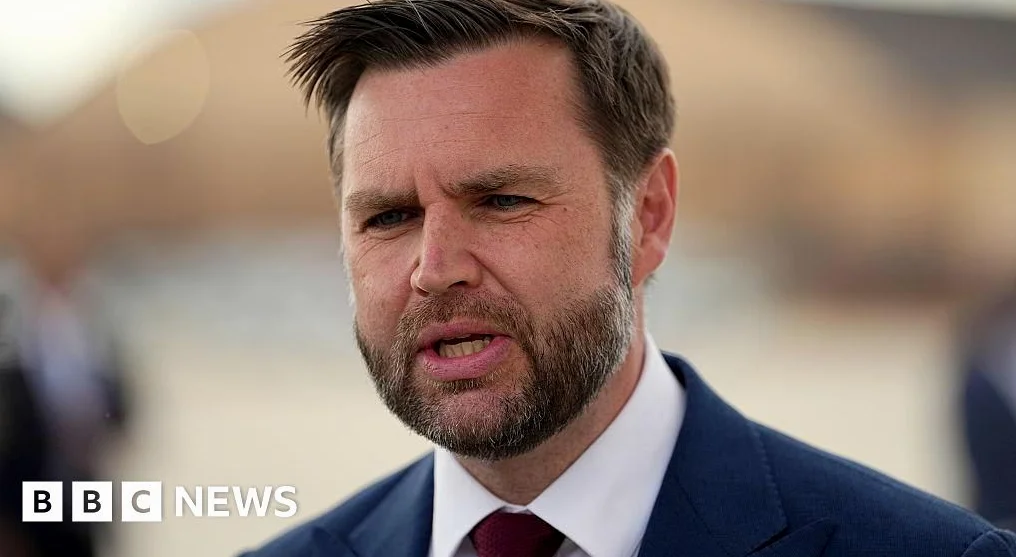
Tensions Over Military Action in Lebanon
Vance told CBS News, the BBC’s US partner, that Netanyahu ‘aggressively asserts the interests of his country’ but that they were not always aligned with those of the US. His comments reflect growing tension following reports of a clash between US President Donald Trump and the Israeli leader over military action in Lebanon.
This military action has brought renewed strikes and threatened peace talks with Tehran. Recently, the US and Iran exchanged strikes for a second consecutive day, straining a ceasefire between the two nations that has remained in place since April. The renewed hostilities were triggered by events in Lebanon, where Israel has continued an operation targeting the Iranian-backed armed group Hezbollah.
Trump’s Stance on Peace Agreement
In an interview due to air on Sunday, Vance elaborated on the situation, saying: ‘Prime Minister Netanyahu, look, he governs a country that has obviously been a very close partner of the United States. But, even when we’ve been close partners, sometimes we have interests that are perfectly aligned and sometimes we have interests that are misaligned.’
Vance added that it was the job of the Trump administration to focus on what was in America’s best interests, ‘and where that diverges, we – unfortunately for the Israelis – have to choose the side of the American people.’ When asked for examples of instances in which Netanyahu had gotten things wrong, Vance said ‘those conversations sometimes are better left in private.’
Trump has typically been an ardent proponent of Israel during both his terms in the White House. However, his attempts to extricate himself from a potentially drawn-out and increasingly costly conflict in the Middle East have been frustrated by Israel’s ongoing operation in Lebanon.
Lebanon’s Role in Peace Negotiations
Tehran is demanding that any peace agreement also cover Lebanon, which Israel has argued was not part of the ceasefire struck two months ago. Israel has conducted strikes across Lebanon and occupied a significant portion of the south of the country in a bid to beat back Hezbollah fighters, who launched strikes on northern Israel shortly after the Iran war began in retaliation for an Israeli strike that killed Iran’s supreme leader.
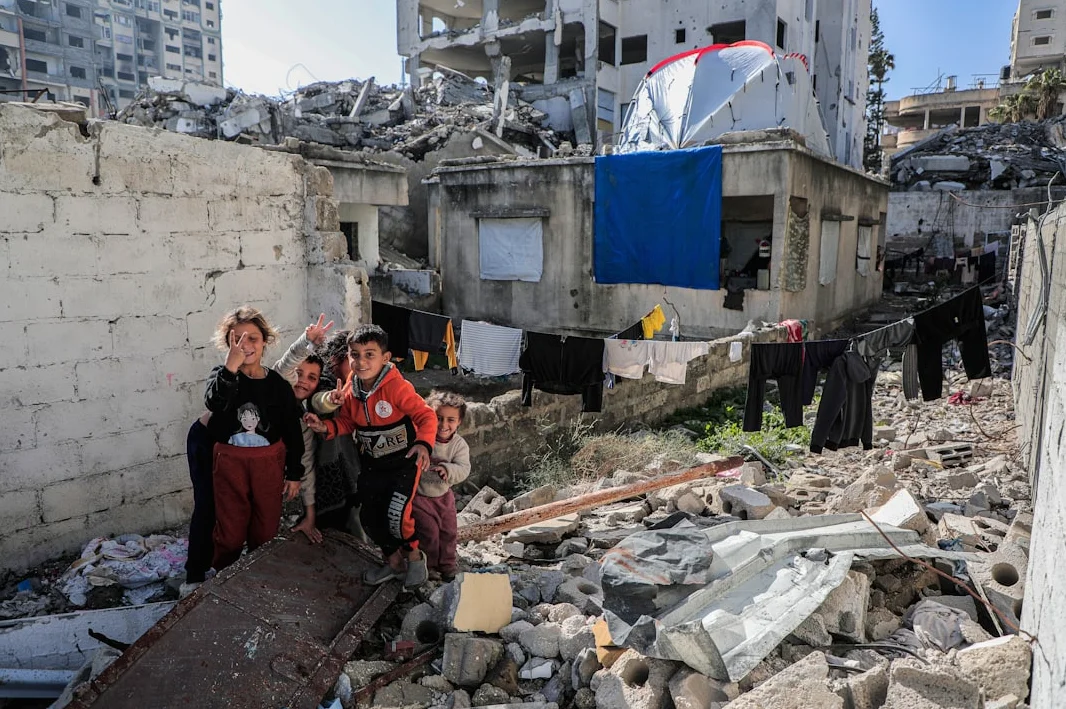
At least 3,696 people have been killed in the conflict, according to Lebanon’s health ministry. Israeli authorities report that 30 soldiers and four civilians have been killed on both sides of the border. Trump is seeking a deal that would reopen the Strait of Hormuz, ending a global energy crisis caused by an Iranian blockade, and limit Iran’s nuclear programme, a long-held ambition of the US president.
The souring of relations reflects sentiments in the US. Opinion polling suggests the Iran war is increasingly unpopular among Americans, who will vote in Midterm elections this November and are taking a dimmer view of Israel. Netanyahu, too, faces elections this year and must convince Israeli voters that he is winning the war with Iran and its regional proxies.
Netanyahu has sought to downplay any rift with the Trump administration. ‘Sometimes we have, as in the best of families, you have these tactical disagreements,’ he told CNBC last week. ‘We always find a way to work them out, and we do so as great friends.’




Comments
No comments yet
Be the first to share your thoughts