

 BBC News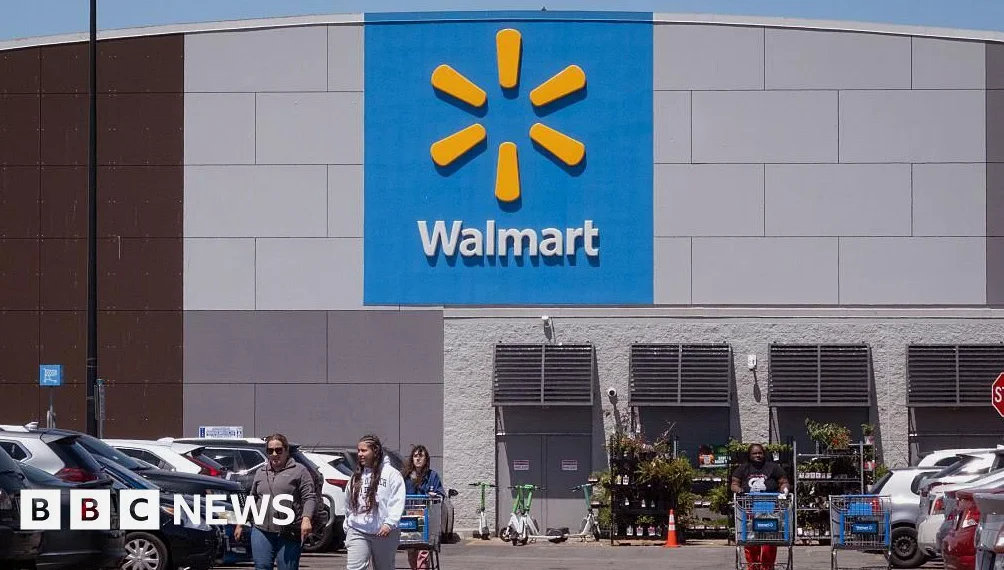
Walmart has warned that US shoppers are reducing their spending as higher petrol prices take a toll, according to BBC News; the retail giant attributes this trend to the ongoing conflict with Iran, which continues to strain household budgets.
Slower Sales Growth Expected
Between May and July, Walmart expects its sales growth to slow significantly compared to the previous three months, the retailer directly links this expected slowdown to the rising cost of fuel at the pump.
According to data from motoring group AAA, the average price of a gallon of petrol has reached $4.56, up from $3 at the start of the war. This increase is now affecting consumer behavior nationwide.
Walmart’s finance boss, John David Rainey, shared these concerns in an interview with CNBC. He noted that higher tax returns. Resulting from tax cuts in President Donald Trump’s One Big Beautiful Bill Act (OBBBA)—had initially offset the rising cost of living for many households.
Concerns Over Tax Refund Effect
However, Rainey warned that as the effects of those tax refunds begin to wane in the current financial quarter, consumers will face greater financial pressure from the high fuel prices. “Higher tax returns have softened the blow of rising fuel prices, but now that those refunds are largely not coming in, consumers are going to feel more of that pressure,” he said.
The retailer is closely monitoring petrol prices and expects them to remain elevated for the coming months, Rainey added. As the biggest private employer in the US and one of its largest retailers, Walmart’s performance offers key insights into how American consumers are being impacted by the economic fallout from the Iran conflict.
On a call with investors, Rainey also raised concerns about the potential impact of the continued closure of the Strait of Hormuz, he warned this could lead to food price increases due to shortages of key agricultural inputs like fertiliser, nitrogen, and phosphates.
Financial Performance and Share Reaction
Walmart reported first-quarter profits of $5.3bn for the February to April period, a 18.8% increase compared to the same period last year. Sales during the quarter rose by 7.3% to $177.8bn.
Despite these gains, the company warned that growth will likely slow to between 4% and 5% between May and July as the rising cost of living begins to more directly affect consumer spending. In response to this guidance, Walmart’s shares dropped by 7% on Thursday morning.






Comments
No comments yet
Be the first to share your thoughts