

 BBC
BBC 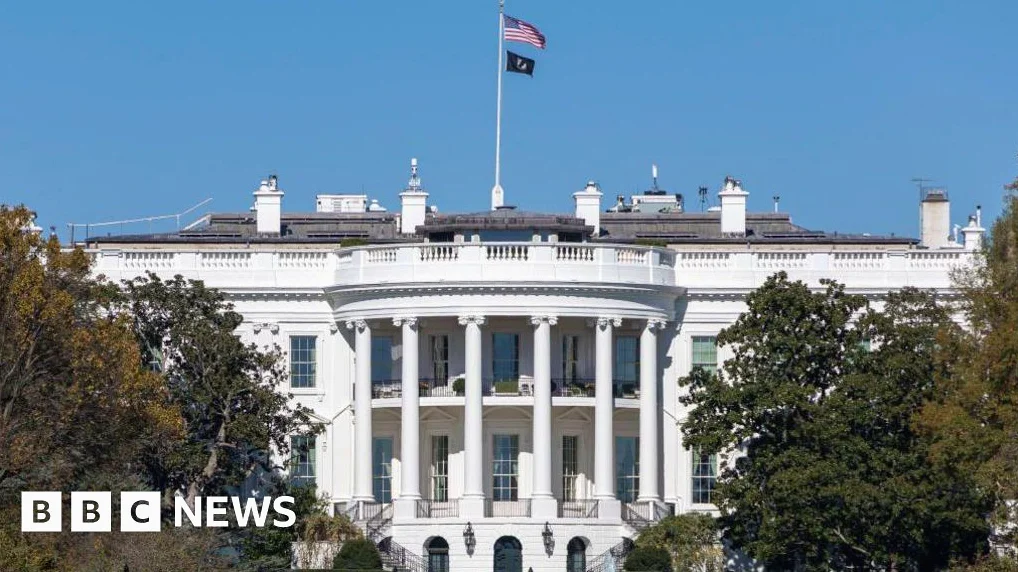
White House staff were informed on 24 March not to use non-public information to place bets on prediction market platforms, the BBC reported, though the email came a day after US President Donald Trump announced a five-day pause on his threat to attack Iranian power plants and energy infrastructure.
Concerns Over Insider Trading
The warning was issued in response to press reports that raised concerns about government officials using confidential information to place bets on platforms such as Kalshi or Polymarket. White House spokesman Davis Ingle told the BBC that ‘any implication that Administration officials are engaged in such activity without evidence is baseless and irresponsible reporting.’
The Wall Street Journal first reported the email on Thursday. Ingle also noted that all federal employees are subject to government ethics guidelines that prohibit using insider information for financial gain. ‘The only special interest that will ever guide President Trump is the best interest of the American people,’ he added.
Anonymous Bet Raises Questions
The BBC has contacted Kalshi and Polymarket for comment, as it was unclear who placed the bet, but the anonymous account had a blockchain identifier of letters and numbers. The incident raised concerns about whether the bettor had benefited from inside information about the US military operation.
Prediction market bets can be related to anything, from sports to financial decisions, as Users can place bets on whether, for instance, the US central bank will cut rates or the results of local elections. Prediction market bets on conflicts have fueled debate over how the industry should be regulated.
Call for Investigation
This week. US Congressman Ritchie Torres. A Democrat who sits on the House Financial Services Committee, sent a letter to the Commodity Futures Trading Commission, calling for an investigation into ‘suspicious’ trades. The commission regulates derivatives trading, which includes prediction markets.
US Senator Andy Kim from New Jersey said, ‘Corruption and exploitation are thriving right now within the gaps and loopholes of prediction markets.’ He added, ‘This manipulation leaves the select few winning big, at the expense of working Americans.’
The White House staff told not to place bets on prediction markets comes amid growing concerns about the ethical implications of using insider information in financial markets. The incident highlights the need for clearer regulations and oversight in this emerging sector.
As the debate continues, officials and lawmakers are urging for greater transparency and accountability in how prediction markets operate. The role of federal employees in these markets remains a contentious issue, with calls for stricter enforcement of existing ethics guidelines.
White House staff told not to bet on prediction markets has sparked a broader conversation about the intersection of government and financial markets. With more people engaging in prediction betting, the potential for misuse of information grows, prompting renewed calls for regulatory action.
While the White House has denied any wrongdoing, the incident has raised questions about the extent to which government officials may be involved in such activities. The outcome of any potential investigations will be closely watched by lawmakers and the public alike.
The issue also highlights the need for clearer guidelines on the use of insider information in financial markets. As prediction markets continue to grow, so too does the need for strong oversight to prevent abuse and ensure fairness.






Comments
No comments yet
Be the first to share your thoughts