

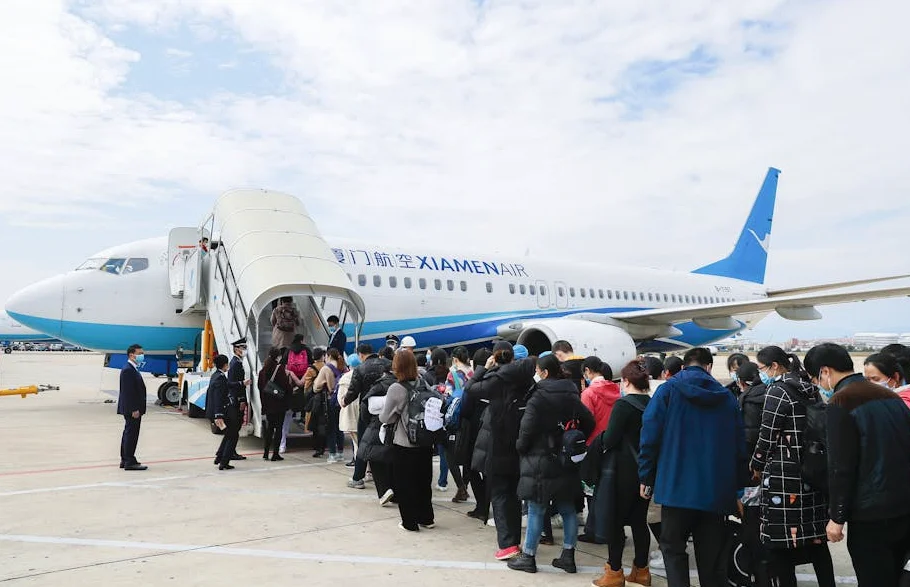
Chinese President Xi Jinping arrived in North Korea on Monday for a rare two-day state visit, his first since 2019. The visit comes amid a significant shift in the traditionally lopsided relationship between Beijing and Pyongyang, which has seen North Korea increasingly align with Moscow since Russia’s invasion of Ukraine in 2022.
Historic Ties and Changing Alliances
Xi’s visit marks a new phase in the Sino-North Korean relationship, which has been shaped by decades of history. The two countries share a mutual defense treaty from 1961, China’s only such agreement, signed shortly after Chinese forces supported North Korea during the Korean War. However, recent years have seen a growing reliance by Pyongyang on Russia, including the deployment of thousands of soldiers to aid the invasion of Ukraine.
According to a 2022 estimate by the National Committee on North Korea, a U.S.-based nonprofit, North Korea’s trade is as much as 95 percent dependent on China. Experts suggest that Xi’s visit is an effort to reassert Chinese influence and prevent North Korea from becoming too dependent on Russia.
Regional Power Dynamics and Strategic Competition
The timing of Xi’s trip aligns with broader strategic moves by China to strengthen its position in Northeast Asia amid the shifting global balance of power. This includes hosting a summit of the Shanghai Cooperation Organization (SCO) and a military parade commemorating the 80th anniversary of the end of World War II. The event also included Russian President Vladimir Putin and Iranian leaders, signaling a coordinated effort to challenge U.S. global dominance.
During his visit. Xi is expected to meet with North Korean leader Kim Jong Un — the two last met in September 2024 during a military parade in Beijing, where Kim was seated next to Xi. This visit is seen as an opportunity to reaffirm China’s leadership role in the region and to counter U.S. influence under the Trump administration, which has introduced steep tariffs and reduced foreign aid to many Asian partners.
Domestic and Regional Reactions
South Korean President Lee Jae Myung commented on the growing divide between North and South Korea, stating, “Russia and North Korea have developed increasingly close ties and the divide between North and South Korea continues to widen. But we must continue to pursue dialogue.”
Meanwhile, Trump is set to arrive in China later this week for his first state visit in nearly a decade; the meeting has been delayed by the unresolved Iran conflict and comes with reduced expectations for major diplomatic breakthroughs. Trump has expressed optimism about U.S.-China trade, stating, “We’re doing a lot of business with China” and “making a lot of money” from trade with the country.
The visit by Xi to North Korea, along with the Trump trip, signals a complex geopolitical field where alliances are shifting, and regional stability is increasingly uncertain.





Comments
No comments yet
Be the first to share your thoughts