

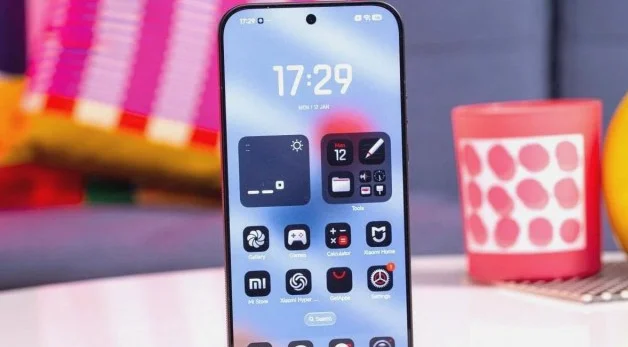
Leaks reveal European pricing for Xiaomi’s upcoming flagship smartphones, the Xiaomi 17 and Xiaomi 17 Ultra, setting the stage for a push into the high-end market. The base Xiaomi 17 will cost €999, while its Ultra sibling tops out at €1,699, according to details circulating online.
Those figures cover specific configurations. The Xiaomi 17 with 12GB RAM and 512GB storage hits €1,099. For the Ultra, the 16GB RAM and 512GB version lands at €1,499. The pricing undercuts rivals like Samsung’s Galaxy S series and Apple’s iPhones, which often exceed €1,200 for comparable specs, leaks indicate.
Design choices aim at broad appeal. The standard Xiaomi 17 comes in black, green, icy blue and pink. The Ultra sticks to black, white and starry green, with a slim profile and premium materials throughout. Officials have not confirmed the leaks, but hands-on images match the descriptions.
Battery capacities differ from Chinese versions to meet European regulations. The Xiaomi 17 packs a 6,330mAh unit, down slightly from up to 6,600mAh in some Asia models. The Ultra gets around 6,000mAh for heavy use. Both run on Snapdragon 8-series processors, LPDDR5 RAM and UFS 3.1 storage. They support 5G, Wi-Fi 6E and 120W or faster charging.
Displays impress with a 6.73-inch AMOLED panel on the Xiaomi 17 at WQHD+ resolution and 120Hz refresh rate. The Ultra may add adaptive tech for better efficiency. Cameras lead the pack on the Ultra, with a potential 200MP main sensor plus ultra-wide, macro and depth lenses. AI processing handles low-light shots, HDR and video effects. A 20MP or better front camera rounds it out. The standard model offers a solid multi-lens array for daily needs.
European tweaks ensure compliance. Software improves for local carriers, with global updates promised. Xiaomi’s MIUI integrates with its wearables and smart devices, boosting the ecosystem play.
At these prices, Xiaomi targets value seekers. The €999 entry point delivers flagship power without the premium markup. Leaks suggest a launch soon, as the company eyes market share from established players. Consumer reaction could shift dynamics if specs hold up in testing.






Comments
No comments yet
Be the first to share your thoughts