

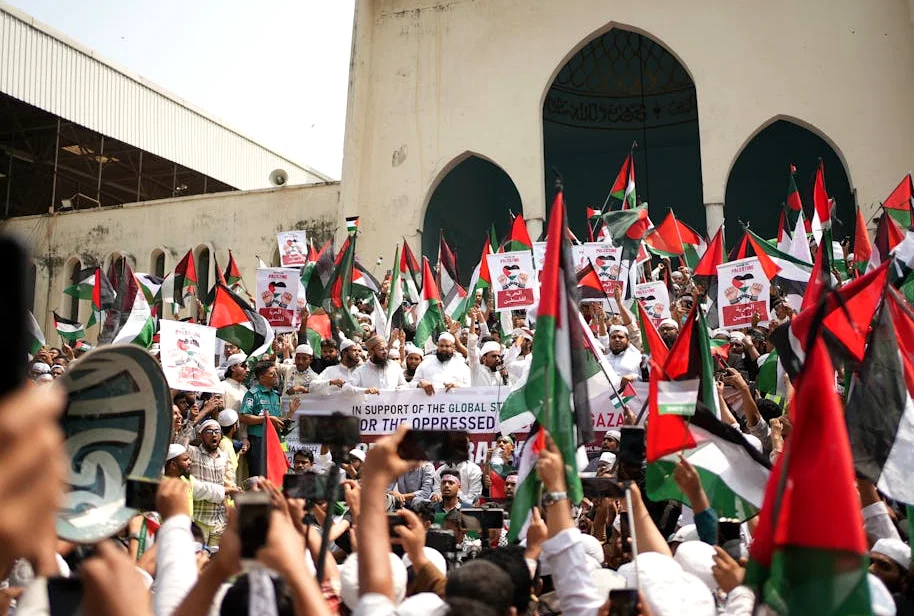
Protests erupted across Yemen against US-Israeli military actions, with the Houthi movement formally entering the regional conflict by launching missile attacks on Israel, according to reports from multiple international sources. The situation has escalated as Yemeni citizens express anger over the growing involvement of foreign powers in the Middle East, while the Houthi group warns of further military action against regional targets.
Yemeni Protests Against US-Israeli Involvement
Across Yemen. Mass demonstrations have taken place in cities such as Sana’a and Aden, with protesters decrying the US and Israel’s growing influence in the region. The protests. Which began in the past week. Have been fueled by reports of American military operations in the Middle East and Israeli airstrikes targeting Iranian-backed groups in Lebanon and Syria. According to Al Jazeera. The demonstrations have been largely peaceful but have seen instances of clashes with security forces.
“The people of Yemen are not willing to be pawns in a war that does not concern us,” said one protest organizer in Aden, who requested anonymity. “We are tired of foreign powers deciding our fate while our economy collapses and our people suffer.”
Local media in Yemen reported that the protests have drawn thousands of participants, with some calling for an end to the war in the region and the withdrawal of foreign forces. The demonstrations have also been linked to the recent increase in Houthi activity, as the group seeks to assert its influence in the broader Middle East conflict.
Houthis Launch Missiles Against Israel
The Houthi movement has formally entered the regional conflict by launching missile attacks on Israeli targets, according to reports from RFE/RL and Al Jazeera. This marks the first time since the start of the current war that Yemen has been directly involved in hostilities against Israel. The attacks. Which occurred on Monday. Were confirmed by Israeli military officials who reported the interception of several missiles over the Red Sea.
“The Houthi group has launched its first missile strike against Israel, signaling a new phase in the regional conflict,” stated an Israeli military spokesperson, according to RFE/RL. “These actions are a direct threat to our national security and will be met with a firm response.”
Iranian state media have praised the Houthi attacks as a significant blow to Israeli military operations in the region. According to the Iranian news outlet Iran International, the attacks demonstrate the Houthi group’s growing military capabilities and its alignment with Iran’s broader strategic goals.
Regional Tensions and Escalation
The involvement of the Houthi group in attacks against Israel has intensified regional tensions, with Saudi Arabia and the United Arab Emirates expressing concern over the potential for a wider conflict. According to Al Jazeera. Both Gulf states have increased their military readiness and are coordinating with Western allies to counter any further escalation.
“The situation is deteriorating rapidly. And we are prepared to take all necessary measures to protect our national interests,” stated a Saudi military official, as reported by Al Jazeera. “The Houthi attacks are a direct challenge to regional stability, and we will not allow this to continue.”
Meanwhile, the United States has warned that it will not tolerate further attacks on its forces in the region. According to a statement from the US Department of Defense, the country is prepared to take military action against any group that threatens its personnel or interests in the Middle East.
Iran’s Role and Regional Alliances
Iran has been closely monitoring the situation in Yemen and has expressed support for the Houthi group’s actions. According to Iran International, the Islamic Republic has provided military and financial assistance to the Houthi movement, which it views as a key ally in the broader regional conflict against Israel and the United States.
“The Houthi group is a vital component of the resistance against foreign occupation and aggression,” stated an Iranian military analyst, according to Iran International. “Their actions are in line with the strategic goals of the Islamic Republic and must be supported by all regional allies.”
Iran has also been strengthening its military ties with other regional actors, including Hamas and Hezbollah, in response to the escalating conflict. According to the Middle East Institute, Iran is working to consolidate its influence in the region by forming a more cohesive ‘Axis of Resistance’ that includes various groups opposed to Israeli and American military presence.
Economic and Social Impact in Yemen
The ongoing conflict and the involvement of the Houthi group in attacks against Israel have had a significant economic and social impact on Yemen. According to reports from Iranian media, the country is facing a growing humanitarian crisis, with food and medical supplies becoming increasingly scarce.
“The situation in Yemen is deteriorating, and the people are suffering from a lack of basic necessities,” stated a local aid worker in Sana’a, as reported by Iran International. “The conflict is not only affecting our security but also our ability to survive on a daily basis.”
Local officials have warned that the economic crisis in Yemen could worsen if the conflict continues to escalate. With foreign investments declining and international aid being delayed, the country is at risk of facing a full-scale humanitarian disaster.
The involvement of the Houthi group in attacks against Israel has raised the stakes in the regional conflict, with all sides preparing for potential escalation. The United States has warned that it will not tolerate further attacks on its forces, while Saudi Arabia and the United Arab Emirates have increased their military readiness.
“The situation is highly volatile, and we are closely monitoring the developments,” stated a US State Department spokesperson, according to Al Jazeera. “We are prepared to take all necessary measures to protect our interests and ensure regional stability.”
Meanwhile, Iran has continued to support the Houthi group, signaling that the conflict is likely to continue for the foreseeable future. As the situation unfolds, the international community is closely watching to see how the conflict will develop and what impact it will have on regional stability.






Comments
No comments yet
Be the first to share your thoughts