

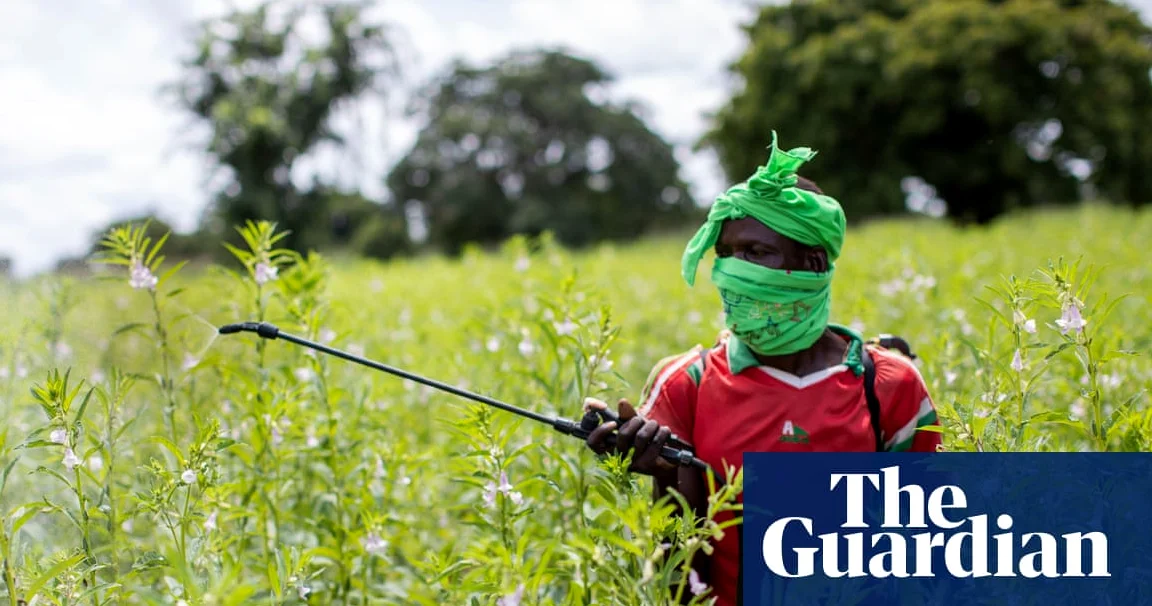
According to a study published in the journal Frontiers in Public Health on Wednesday, nearly half of the world’s farmers,around 429 million out of 934 million,experience acute pesticide poisoning each year. The report highlights a global health crisis, with the highest rates of poisoning in southern Asia, followed by Southeast Asia and East Africa.
Regional Disparities and Rising Pesticide Use
Burkina Faso in West Africa reported the highest national incidence of pesticide poisoning, with nearly 84% of farmers and farm workers affected; the study estimates 11,000 annual deaths from pesticide poisoning globally, with nearly 60% of those occurring in India.
Jayakumar Chelaton, executive director of Pesticide Action Network India, called the findings a “crisis that can no longer be ignored.” The research also notes that pesticide use has grown steadily, reaching 3.8 million tonnes in 2023,double the amount used in 1990. This increase continues despite global efforts to highlight the dangers of such chemicals.
Call for Global Action and Safer Alternatives
The study authors are urging “immediate action” to address the issue, One of their key recommendations is the implementation of a United Nations recommendation to phase out highly hazardous pesticides. Dr. Sheila Willis, head of international programs at Pesticide Action Network UK, said, “Now that the scale of suffering has been revealed, farmers must be supported to access safer alternatives to protect their health and that of their families.”
Despite these calls for change, the study did not consider the impact on the estimated 84 million children working in agriculture. It also did not examine the long-term health effects of pesticide exposure, focusing only on acute poisoning—defined as any illness or health effect experienced shortly after exposure.
Broader Implications and Ongoing Challenges
The findings highlight the urgent need for policy reform and better safety measures in agricultural practices worldwide, the report highlights not only the human toll but also the economic and environmental consequences of continued reliance on hazardous pesticides.
As the global population continues to grow and demand for food increases, the challenge of balancing agricultural productivity with human and environmental health becomes even more complex. Advocates emphasize that without a shift toward safer farming methods, the crisis will persist,and worsen,for millions of farmers worldwide.






Comments
No comments yet
Be the first to share your thoughts