

 The Guardian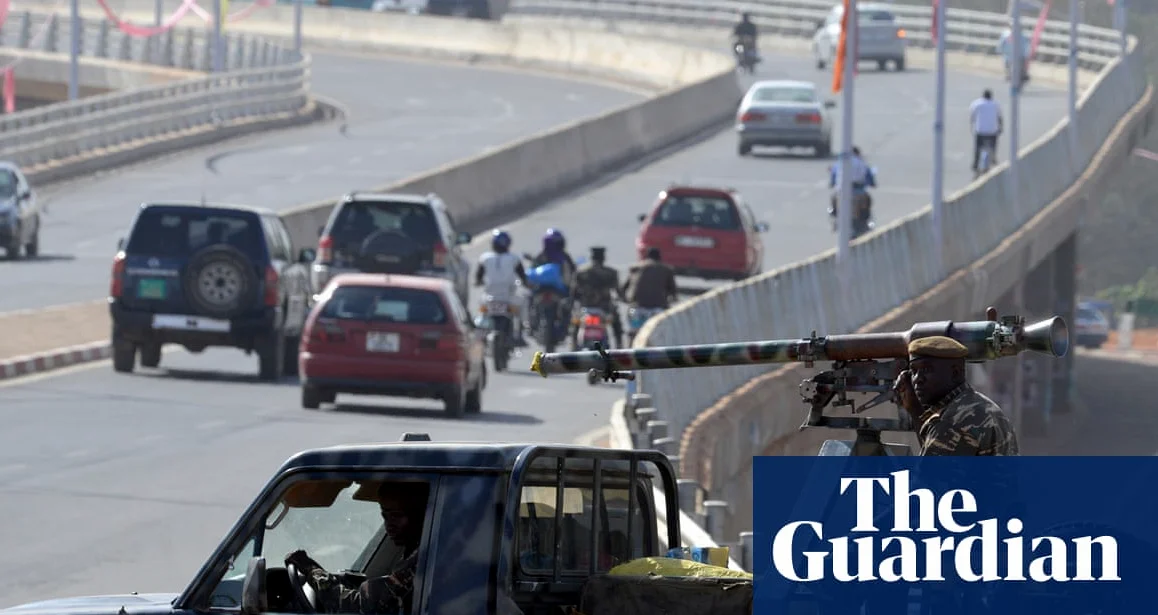
Kevin Rideout, a 50-year-old missionary pilot, was kidnapped in the capital city of Niamey on October 21 by three armed individuals, according to a security official at the time. The abductors likely drove him out of the city, but no armed group has claimed responsibility for the kidnapping; other details about his rescue remain unknown.
Trump Claims Role in Release
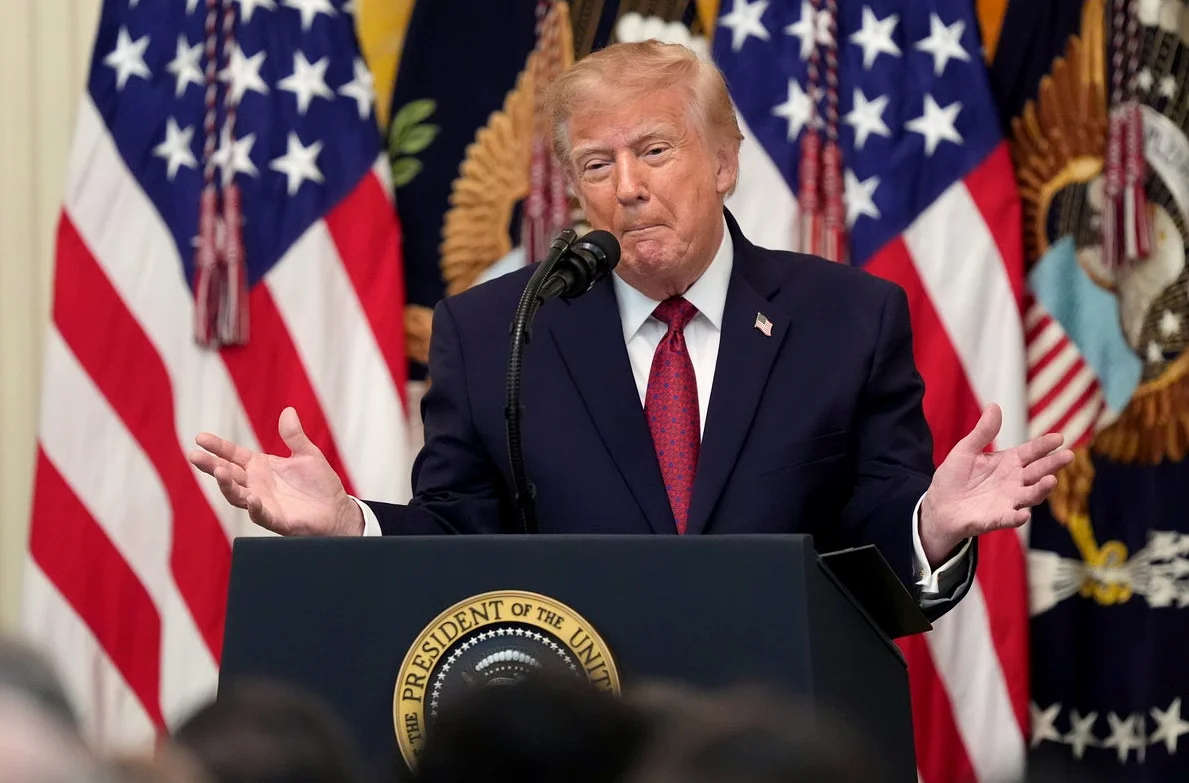
President Donald Trump said he had helped secure Rideout’s release and later confirmed that Rideout was “back in United States Custody” on Friday, but Trump wrote on his Truth Social platform, “I am proud to announce that Kevin Rideout, a wonderful Christian Missionary, is back in United States Custody. Kevin, the United States of America looks forward to welcoming you HOME. Glad to have helped!”
Rideout had been working in Niger for 19 years as a missionary before the incident. The U.S. administration had made his release a priority in its strategy on African Sahel states, where years of fighting extremism have seen limited success.
Security Concerns in Niger
Niger has long been the target of attacks by armed groups, including those linked to al-Qaida and Islamic State. A “continually deteriorating security situation” in the country was cited by the military junta that took power in 2023 when it deposed the democratically elected president, Mohamed Bazoum.
Following the coup, the new authorities removed western partners, including the U.S., which had stationed soldiers in Niger. The country has since forged a new security and diplomatic alliance with Russia. One former U.S. base has been occupied by Russian soldiers.
The U.S. embassy in Niamey issued a security alert a day after Rideout’s abduction, warning that American citizens “remain at a heightened risk of kidnapping throughout Niger, including in the capital city.”
Escalating Insurgency in the Region
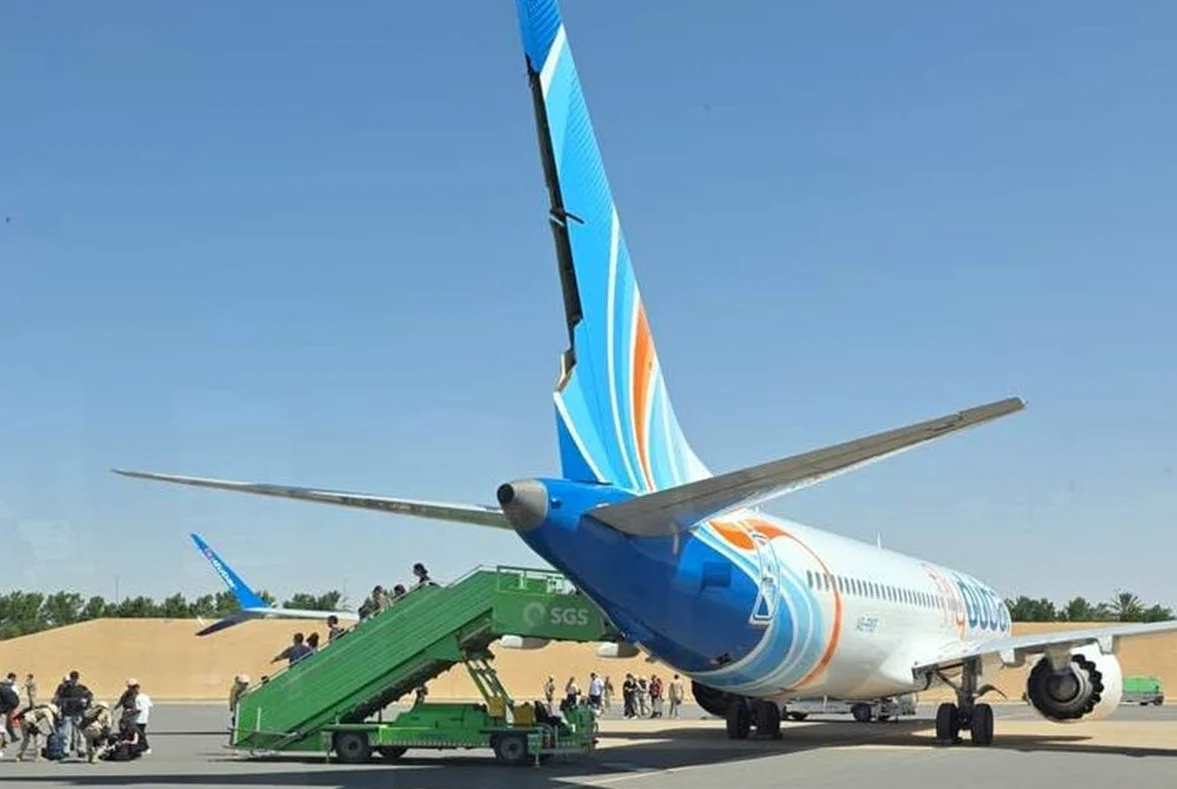
Trump described the broader region of West Africa as “the epicenter of Islamist terrorism” in a social media post, claiming there had been “more deadly attacks in the past year” there than anywhere else on Earth. In June, more than 30 people were killed when gunmen attacked the main airport in Niamey. It was the second such attack at the airport this year.
The airport is a strategic hub for the ruling military, serving as its command center, hosting its air force base, and most of its drones and aircraft. It is also the headquarters of the Alliance of Sahel States, the regional alliance that brings together troops from Niger, Mali, and Burkina Faso.
In April, Mali’s defense minister, Gen. Sadio Camara, was killed in his home on the outskirts of the capital, Bamako, during coordinated assaults staged by insurgents, including the West African affiliate of al-Qaida. Data from ACLED, the armed conflict data aggregator, shows that civilian fatalities in Niger rose by nearly 50% in the year after Bazoum was ousted.
Cities and urban centers in the Sahel region have also been increasingly targeted by armed non-state actors as the crisis reaches new dimensions. Washington has shifted its focus to coastal West African states, including Benin, Côte d’Ivoire, and Ghana, sharing intelligence with local security personnel to prevent extremist threats from spilling southwards from the arid Sahel.



Comments
No comments yet
Be the first to share your thoughts