

 BBC
BBC 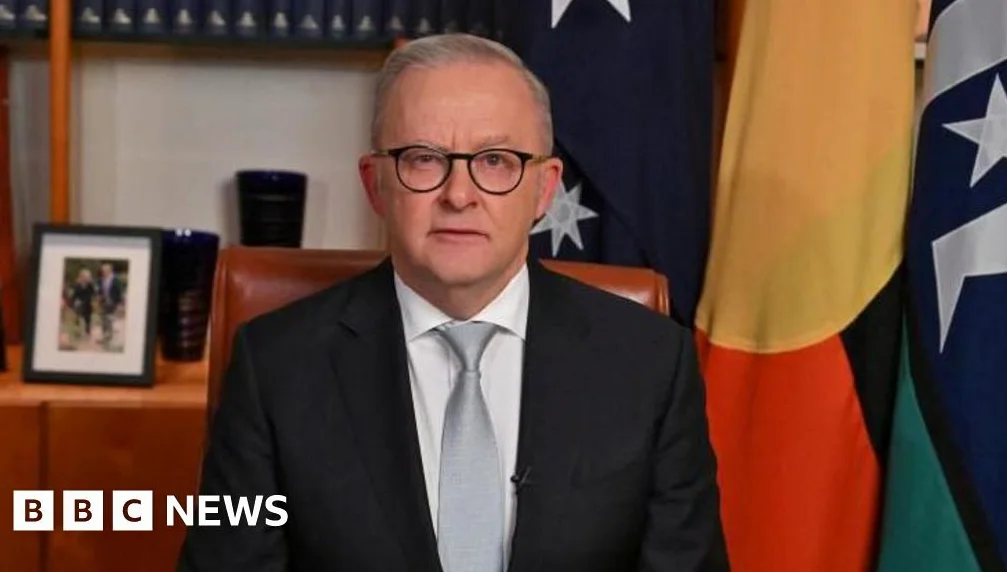
Australia’s Prime Minister Anthony Albanese warned that the economic shocks from the Iran-related conflict will ‘be with us for months’, according to the BBC. In a rare televised address on Wednesday, Albanese outlined the growing impact of the global crisis on fuel prices and household budgets, marking one of the few times a national leader has directly addressed such an international issue in recent years.
Global Fuel Prices Surge Amid Shipping Blockade
The conflict between the US. Israel, and Iran has led to a near-total blockade of the Strait of Hormuz, a vital waterway through which around 20% of the world’s oil and natural gas flows. This has caused fuel prices to rise sharply across the globe, with Australia experiencing one of the most significant spikes in petrol and diesel prices in history. Albanese noted that households are already feeling the strain, with many Australians reporting higher costs at the pump.
According to officials. The closure of the strait has disrupted supply chains, leading to shortages in several countries. Australia is not an active participant in the conflict, yet its citizens are bearing the economic brunt; Albanese emphasized that ‘all Australians are paying higher prices because of it.’
Government Measures to Ease Immediate Pressures
In response to the crisis. The Australian government has introduced a series of temporary measures aimed at easing the immediate cost pressures on households and businesses. These include halving the fuel excise—a sales tax on fuel—and scrapping road user charges for heavy vehicles for three months; the goal is to provide some relief to consumers and industries reliant on transport.
Officials are also working to shore up domestic fuel supply and increase imports through regional partners as part of a newly agreed National Fuel Security Plan. Albanese urged Australians to limit unnecessary fuel usage, including switching to public transport where possible, to preserve supplies for essential industries.
‘You should go about your business and your life, as normal,’ Albanese said. ‘Enjoy your Easter. If you’re hitting the road. Don’t take more fuel than you need—just fill up like you normally would.’ He added, ‘Think of others in your community, in the bush and in critical industries.’.
Call for Unity Amid Uncertain Months Ahead
During his address, Albanese acknowledged that the ‘months ahead may not be easy’ and warned that no government could fully shield Australians from the global pressures. He urged citizens to remain calm and avoid panic-buying, which had led to reports of petrol stations running dry in some areas.
Albanese also called for unity and cooperation in dealing with the crisis, saying the country will ‘deal with these global challenges, the Australian way.’ He emphasized the importance of working together and looking after each other, a message he said reflects how the nation has always responded to difficult times.
The address came at a time when similar measures were taken during the Covid pandemic and the 2008 financial crisis, highlighting the gravity of the current situation. Albanese’s words are seen as an effort to prepare the public for what may be a prolonged period of economic uncertainty.
As the conflict continues, the economic shocks from the Iran-related war are likely to ripple across the globe. For ordinary Australians, the rising costs of fuel and the potential for further disruptions are real concerns that could impact daily life for months to come.
What’s Next for Fuel Prices and Policy?
Analysts are closely watching how the situation develops in the coming weeks. The effectiveness of the government’s measures, including the temporary fuel tax cuts and increased imports, will be key to whether prices stabilize. However, the long-term impact of the conflict on global oil markets remains uncertain.
With the Strait of Hormuz still largely closed, supply disruptions are expected to continue. This could lead to further spikes in fuel prices, even if the immediate crisis is mitigated. Albanese has warned that the economic shocks from the Iran war will last ‘months,’ and the government is preparing for a prolonged period of adjustment.
As the conflict drags on, the Australian government will face pressure to maintain its support measures while balancing the need for long-term fiscal responsibility. The coming months will be critical in determining how the country handles this new economic reality.






Comments
No comments yet
Be the first to share your thoughts