

 Al Jazeera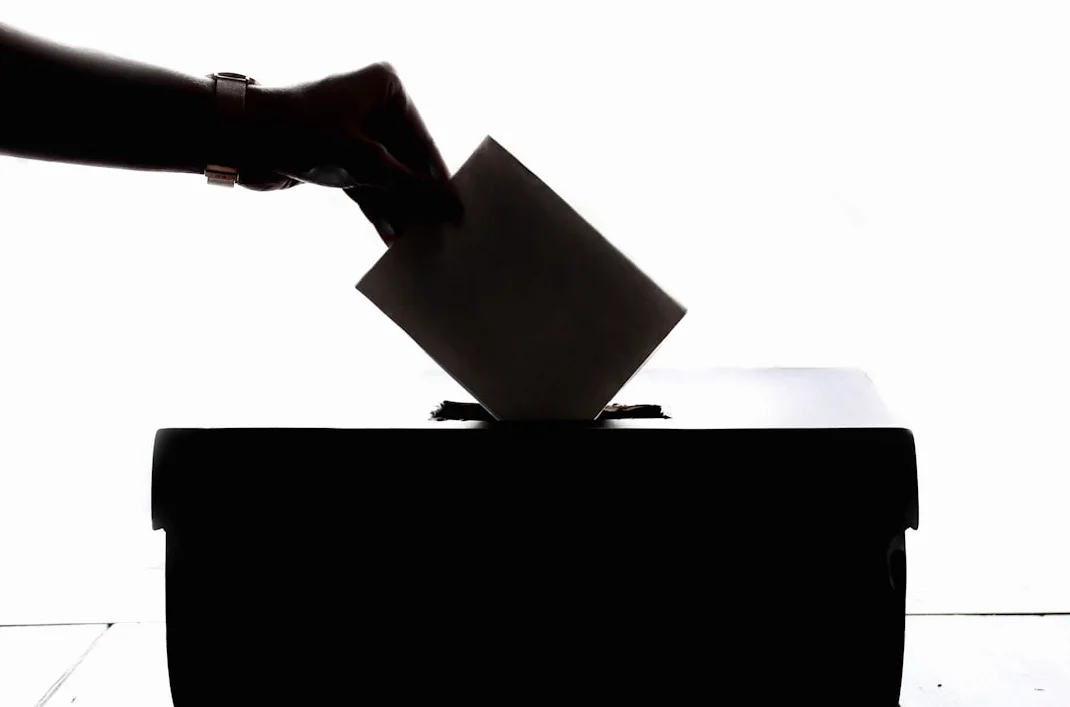
Brazil celebrated Independence Day on September 7, 2026, with both major presidential candidates holding events to rally support ahead of the October election. According to the latest polling data, the race between current President Luiz Inacio Lula da Silva and his main rival, Flavio Bolsonaro, is tightening, with Lula’s lead shrinking.
Election Dynamics in Focus
The latest poll, released by a leading polling firm, shows Lula holding a five-point lead over Bolsonaro, down from a ten-point margin in previous surveys; the narrowing gap indicates a growing uncertainty in the outcome of the October vote, with both candidates intensifying their campaign efforts.
Lula, who has served as president before and is currently in office, has focused on economic policies and social reforms as key campaign themes, but Bolsonaro, on the other hand, has emphasized national security and law and order, appealing to voters concerned about rising crime rates and political instability.
Independence Day as a Campaign Milestone
Both candidates used the Independence Day celebrations to reinforce their messages; Lula attended a military parade in Brasília, where he was praised for his commitment to national unity and economic growth. Bolsonaro, meanwhile, held a public event in Rio de Janeiro, drawing large crowds and emphasizing his vision for Brazil’s future.
Political analysts suggest that the Independence Day events are significant for both candidates as they seek to connect with voters during a critical phase of the campaign. With just weeks remaining before the election, every public appearance and policy announcement could influence voter sentiment.
The polling data also highlights a surge in undecided voters, who account for nearly 15 percent of the electorate. Analysts believe that these voters could ultimately determine the outcome of the race, especially if the final weeks of the campaign remain as competitive as the current polls suggest.
Historical Context and Voter Turnout
Brazil has a history of closely contested presidential elections, with high voter turnout often shaping the results, and In the 2022 election, for instance, Lula won with a margin of just 1.5 million votes after a second-round runoff against Jair Bolsonaro. This year’s race appears to be following a similar pattern, with both candidates vying for the same demographic groups.
The 2026 election is expected to see a voter turnout of over 85 percent, a figure that reflects the high level of political engagement in Brazil. Pollsters have also noted that younger voters are becoming more influential, with many supporting Lula’s progressive policies and economic vision.
Meanwhile, Bolsonaro continues to draw support from more conservative and rural segments of the population, who view his policies as a stabilizing force in a rapidly changing political field. The candidate has also received backing from influential political figures and business leaders, who see him as a strong leader capable of maintaining order and economic growth.


Comments
No comments yet
Be the first to share your thoughts