

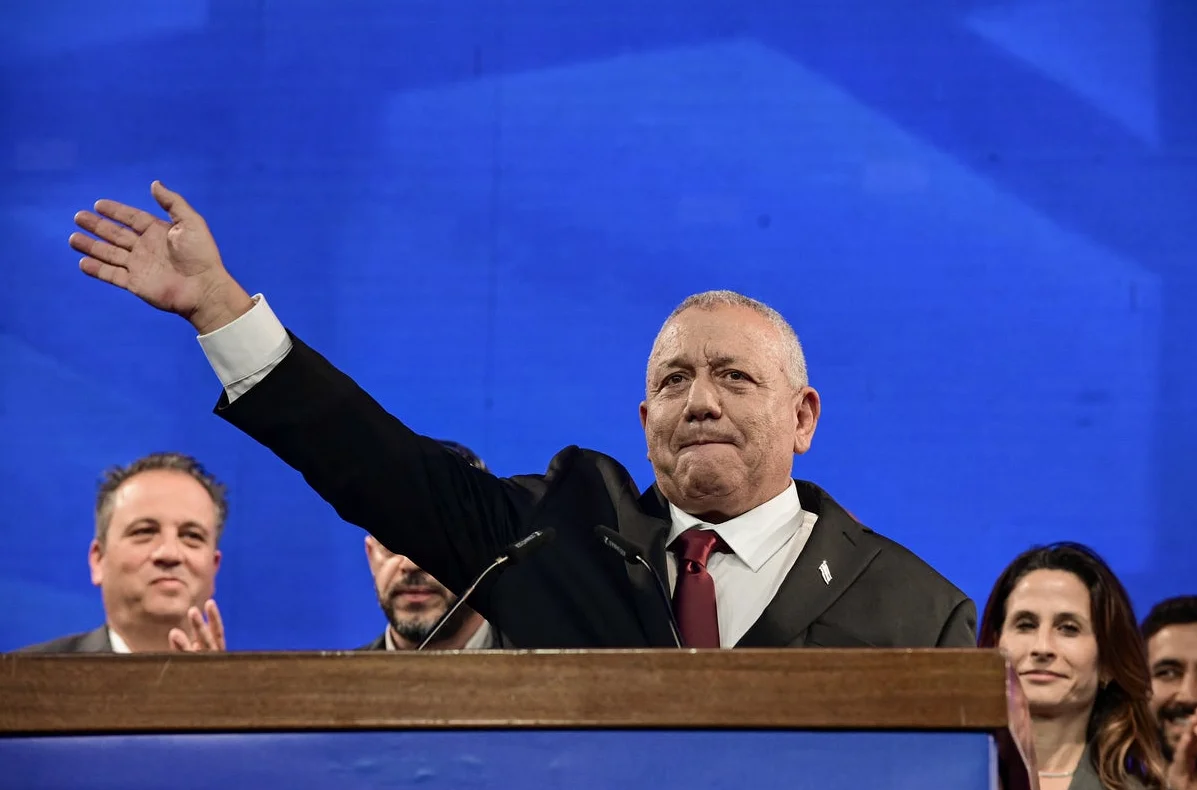
Arab-led parties, composed mainly of Palestinian Muslims and Christians, made a historic showing in the election. Yousef Jabareen, leader of the Joint List of Arab parties, called for a “true and equal” Jewish-Arab partnership to help oust Netanyahu’s government.
Eisenkot’s coalition would need to partner with Arab-led parties to form a majority, but this could alienate right-wing members of his bloc. Yashar candidate Lian Polak-David said Arab parties must publicly affirm that Israel is a Jewish and democratic state, Hamas is a terrorist organization, and that ultra-Orthodox Jews and Palestinian citizens of Israel must no longer be exempt from the military draft.
Netanyahu and many members of his Likud party have ruled out working with Arab-led parties, leaving Eisenkot as the only viable alternative. However, he faces significant challenges in securing a stable coalition.
In Israel’s proportional representation system, no party has ever won an outright majority. A coalition must secure at least 61 of the 120 Knesset seats to form a government. Parties must clear a 3.25% national vote threshold to enter the Knesset, making small parties and alliances critical in the coalition-building process.
After the official results are published, Israel’s President Isaac Herzog will consult with parliamentary factions and assign a lawmaker the task of forming a government. The first nominee has 28 days to do so, with possible extensions. If no government is formed, another election may be called.
Eisenkot emphasized the urgency of forming a coalition, stating, “We must act swiftly. This is the imperative of the hour, and uniting our people is essential.” However, if Arab parties refuse to meet Yashar’s conditions or if right-wing members of Eisenkot’s bloc defect, the process could collapse, leading to a second election.




1 Comment