

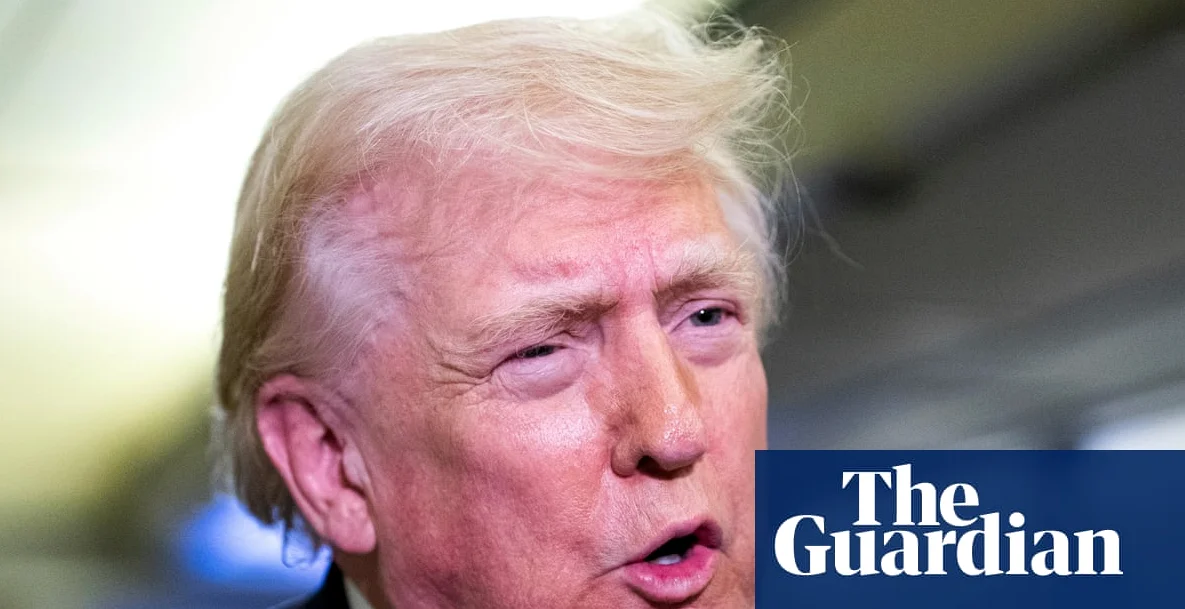
Brent crude oil prices climbed to $116 a barrel on March 31, 2026, marking a significant rise amid escalating tensions between the United States and Iran. The surge follows a stark warning from U.S; President Donald Trump, who reportedly threatened to ‘obliterate’ Iranian oil and power plants if the Hormuz Strait remains closed, according to Arab News. The Guardian reported that Trump’s comments were made in the context of a broader geopolitical standoff involving Middle Eastern allies and regional security concerns.
Escalating Tensions in the Persian Gulf
According to Arab News. Trump’s warning came after a series of attacks on energy infrastructure in the region, including an incident in which a Kuwaiti oil tanker caught fire at Dubai Port due to Iranian attacks, as reported by state media. The attack resulted in one worker’s death and 10 soldiers being injured, but the situation has heightened fears of a broader regional conflict, with Saudi Arabia, Qatar, and Jordan reportedly holding discussions on military escalation.
Iran has dismissed Trump’s threats as unrealistic and warned that U.S. proposals for peace are not feasible. Japanese officials told NHK that the situation has created significant disruptions in energy supply chains, prompting Japan to seek closer energy cooperation with Indonesia to mitigate the impact. Meanwhile, France’s President Emmanuel Macron is scheduled to visit Japan for talks on the Middle East crisis, according to Arab News.
Trump’s rhetoric has drawn sharp criticism from international observers. A Japanese analyst told NHK that such statements risk further destabilizing the region and exacerbating the humanitarian crisis. In contrast. Some U.S. allies have expressed support for Trump’s stance, arguing that Iran must be held accountable for its actions.
Economic and Geopolitical Implications
The rise in oil prices has had immediate economic repercussions. According to The Guardian. The surge to $116 a barrel has sent shockwaves through global markets, with energy traders warning of further volatility — In the U.S., the impact is being felt across industries, from transportation to manufacturing, where higher fuel costs are expected to push inflation higher.
Japan’s energy security is also under pressure. As reported by Arab News. The country has intensified its cooperation with Indonesia to secure alternative energy sources, including liquefied natural gas (LNG) and renewable energy projects. Japanese officials noted that the closure of the Hormuz Strait and the ongoing attacks on oil infrastructure have made diversification of energy imports a top priority.
Meanwhile, in the U.S., the Department of Homeland Security has been investigating reports that two helicopters hovered near the home of musician Kid Rock, who had been seen saluting military personnel. The incident has raised questions about the extent of military and political influence in domestic affairs, though no official connection to Trump’s statements has been confirmed.
Regional Reactions and Diplomatic Moves
Across the Middle East. The threat of further conflict has prompted a flurry of diplomatic activity. Arab News reported that Saudi Arabia and other Gulf states have called for an international effort to de-escalate tensions, with a focus on ensuring the safe passage of oil through the Hormuz Strait. The region’s leaders have expressed concern that prolonged instability could lead to a global energy crisis.
Iran, however, has remained defiant. According to The Guardian, Iranian officials have dismissed U.S. warnings as empty threats and accused the Trump administration of double standards in its foreign policy. They have also called for a return to the 2015 nuclear deal, which they claim was violated by U.S. sanctions.
In a separate development, Japan’s Deputy Minister of Foreign Affairs, Kuniyoshi Kurokawa, has been in Kuwait to mark the country’s 60th anniversary of independence, according to Arab News. The visit comes at a time when Japan is seeking stronger regional ties to counterbalance U.S. influence in the area.
France’s President Macron is set to visit Japan later this month for talks on the Middle East crisis, according to Arab News. The meeting is expected to focus on energy security, regional stability, and the need for multilateral diplomacy to resolve the ongoing tensions.
Local Impact and Civilian Concerns
The economic and security implications of the crisis have not gone unnoticed by ordinary citizens. In Japan, where energy prices have been rising steadily, households are bracing for higher electricity and fuel costs. According to NHK, some families have already begun switching to more energy-efficient appliances in an effort to reduce their bills.
Meanwhile, in the Middle East, the humanitarian impact is becoming more pronounced. Arab News reported that the closure of the Hormuz Strait has led to a shortage of essential goods in several countries, with food and medical supplies becoming increasingly scarce. In Lebanon, where the economy has already been in crisis, the situation is described as ‘critical’ by local officials.
In response to the growing instability, some countries have begun to implement emergency measures. Japan has announced plans to increase its strategic oil reserves, while the European Union is considering sanctions against Iran if the situation continues to escalate. These moves reflect a growing consensus that the region’s security is a global concern.
With tensions at a boiling point, the international community is watching closely to see how the situation will unfold. The U.S. and its allies are expected to continue applying pressure on Iran, while regional powers are likely to seek diplomatic solutions to prevent further escalation. The outcome of these efforts will have far-reaching implications for global energy markets, regional stability, and the broader international order.
As the crisis unfolds, one thing is clear: the stakes are higher than ever. Whether through diplomacy or military action, the next steps will shape the future of the Middle East and the world’s energy landscape for years to come.




Comments
No comments yet
Be the first to share your thoughts