

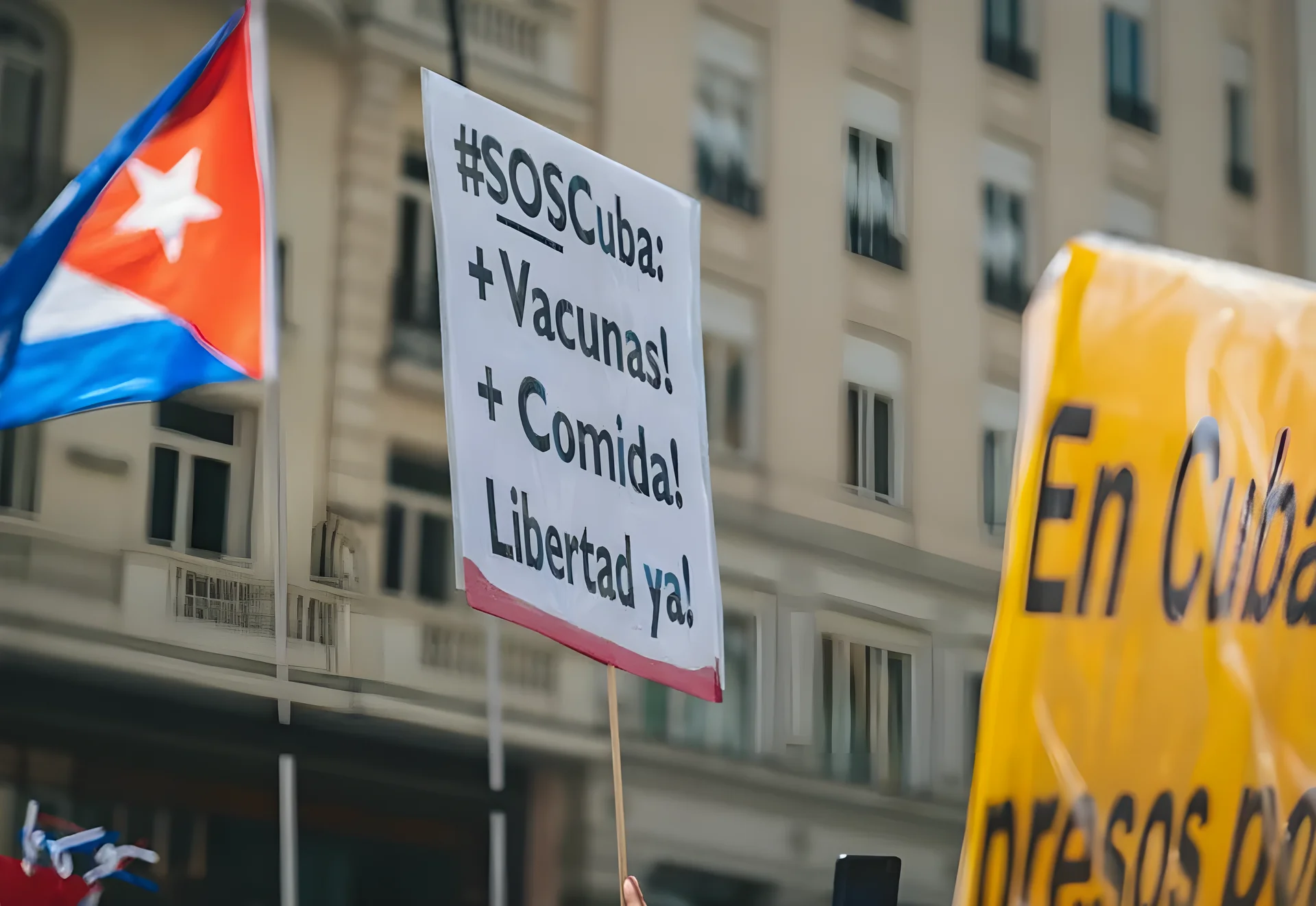
Cuba’s energy crisis has worsened significantly, with the country reportedly running out of diesel and fuel oil in late January, according to the Energy Minister Vicente de la O Levy. The shortage has led to widespread blackouts and disrupted public services, including hospital operations, according to Al Jazeera; In a public message, Cuban President Miguel Diaz-Canel acknowledged the severity of the situation, stating that the country’s top priorities are “fuel, food, and medicines.”
U.S. Sanctions and Fuel Blockade Deepen Crisis
President Donald Trump has intensified U.S. pressure on Cuba since his re-election in 2025, including cutting fuel and financial support from Venezuela to the island, while Trump also imposed steep tariffs on countries supplying oil to Cuba, effectively creating a fuel blockade. This move has left the country struggling to maintain even basic energy services, according to the same report.
U.S. Offers $100M in Aid for Humanitarian Access
Amid the growing crisis, the U.S. Department of State announced on Wednesday that it was reiterating an offer to provide $100 million in direct humanitarian assistance to Cuba; the aid package is conditional on government reform and would be delivered to the Cuban people, not the state, according to a State Department statement. The administration said it had been negotiating in private with the Cuban government, but no formal agreement has been reached yet.
Trump’s Comments and Domestic Unrest
Trump has also made public remarks suggesting a more aggressive stance toward Cuba, stating he would “take over” the island, according to 경향신문, but he has previously identified Cuba as the next target after Venezuela and Iran, indicating potential for further political and economic pressure. Meanwhile, anti-government protests have been reported in Cuba, adding to the administration’s internal and external challenges. The government has responded by announcing plans to open up the economy to attract foreign investment, a shift seen as an attempt to stabilize the country’s collapsing infrastructure and services.
As the Trump administration continues to push for administration change in Havana, the humanitarian crisis in Cuba remains a key point of international attention. While the U.S. has offered aid. Its conditional nature and political undertones have yet to be accepted by the Cuban government, which remains under a U.S. trade embargo that has lasted since the 1960s.





Comments
No comments yet
Be the first to share your thoughts