

 The Guardian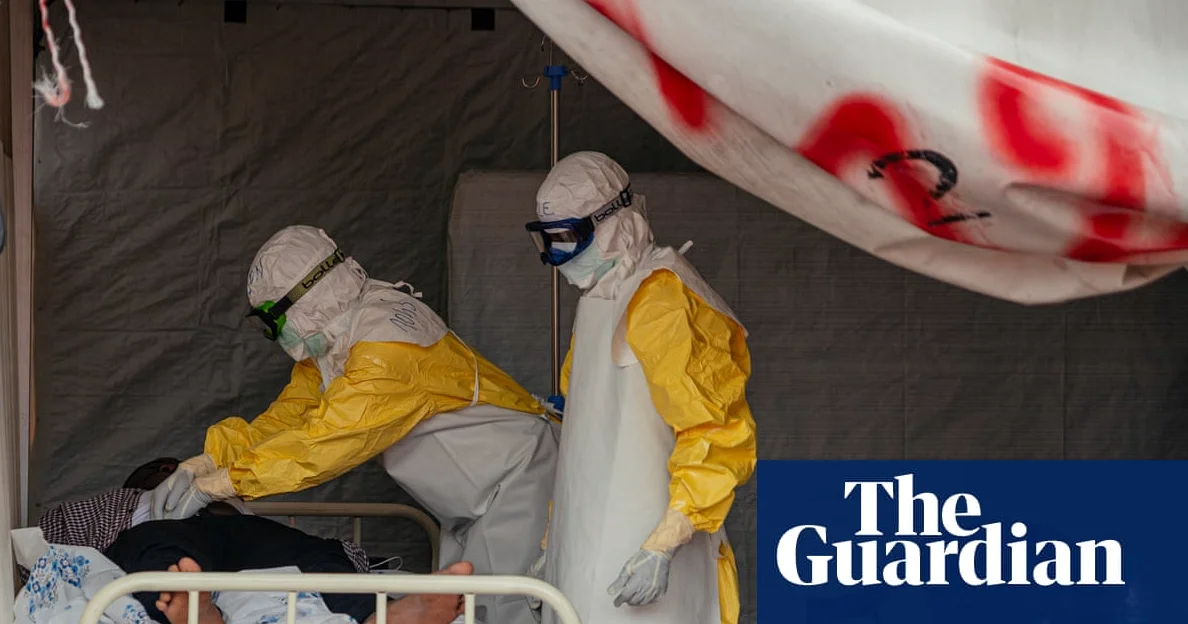
The head of the World Health Organization, Dr; Tedros Adhanom Ghebreyesus, stated that the Ebola outbreak in the Democratic Republic of the Congo could have begun as early as January. He noted that the virus had ‘a big head start.’
Travel Restrictions and Mistrust Hinder Response
Dr. Tedros also said the response was being hindered by blanket travel restrictions and highlighted high levels of community mistrust and low levels of contact tracing as key concerns. He called on countries that have imposed blanket travel restrictions, such as the US, to lift them, stating that such measures ‘are disrupting supply chains and hindering the response.’
Since the outbreak was identified in mid-May, the Bundibugyo virus has caused 344 confirmed Ebola cases, including 60 deaths in DRC; And, 15 confirmed cases, including one death, have been reported in neighboring Uganda.
Efforts to Improve Contact Tracing
Contact tracing is a key element of the response to any infectious disease outbreak, as However, insecurity and displacement in Ituri province are making it particularly difficult. Dr. Tedros noted that only about 45% of contacts are followed up. ‘To get ahead of the outbreak we need to get that number up to above 90%,’ he said. Treatment centers have now been established across Ituri province, the most affected part of DRC.
The number of suspected cases in DRC fell abruptly from more than 1,000 to 116 as officials worked through a testing backlog to either confirm them or rule them out. Tedros said it was a key priority to scale up laboratory and diagnostic capacity in the most affected areas as well as neighboring provinces and countries.
Community Mistrust and Vaccine Status
The first identified case in the outbreak was a nurse who went to a health centre on 24 April. However, Tedros said there were alternative scenarios. ‘It could be January, it could be February, March, April,’ he said. ‘But I think the focus now should be on the response.’
Mistrust was a serious barrier. With some community leaders telling him during a visit to DRC last week that they did not believe Ebola was real. They also worried that the response would take resources away from other vital services — there is currently no vaccine or treatment for the Bundibugyo strain of the virus. Tedros said the recovery of six people in DRC and two in Uganda showed that people could survive Ebola if they had access to care and went to health facilities as soon as they showed symptoms.
The UK’s Foreign, Commonwealth and Development Office has announced the launch of a multi-hazard research network — Experts from the UK and international partners could provide rapid advice and evidence on emerging infectious diseases and other crises, including the current Ebola outbreak.






Comments
No comments yet
Be the first to share your thoughts