

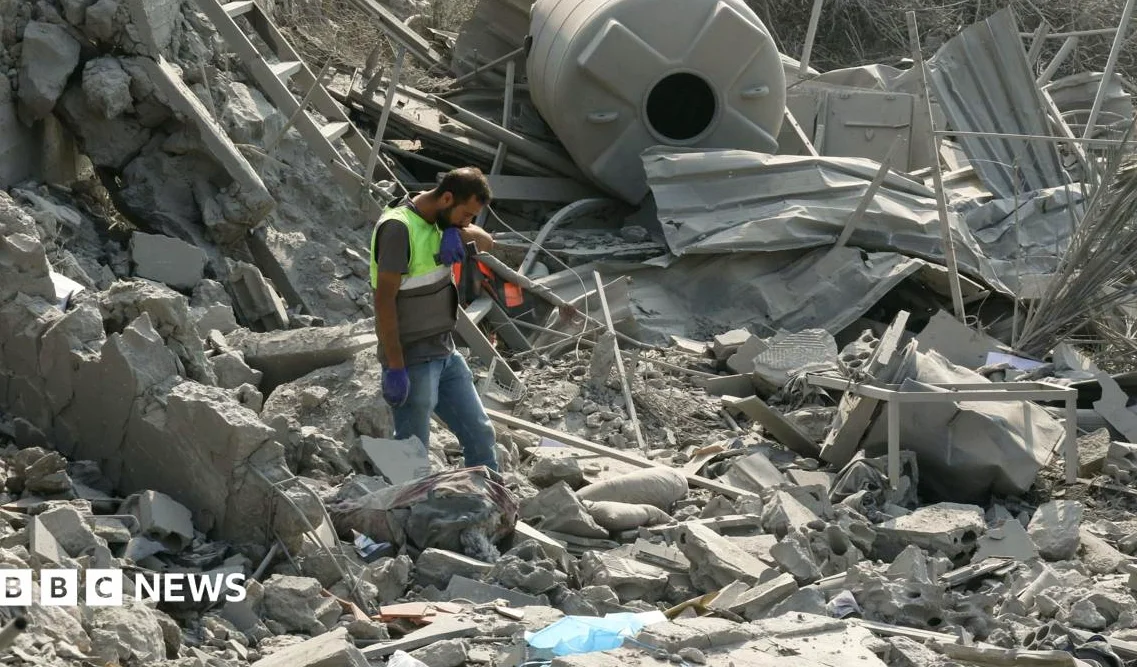
Journalist killed and calls for international accountability
Journalist Amal Khalil was among those killed in an Israeli strike in Tiri, southern Lebanon, as her death has been labeled a war crime by Lebanese officials. Information Minister Paul Morcos condemned the attack, stating it was a “blatant violation of international humanitarian law.”
“The targeting of journalist Amal Khalil is a war crime that adds to Israel’s heavy toll of killing journalists,” Morcos wrote on X, he called for Lebanon to join the Rome Statute and recognize the jurisdiction of the International Criminal Court (ICC). “For weeks, we have been calling for an immediate decision, but Today, the same blood is being shed again with no accountability. Until when?”
Lebanon and Israel are not parties to the ICC, unlike the Palestinian Authority, which acceded to it in 2015, Without joining the Rome Statute, the ICC prosecutor cannot open an investigation that could lead to prosecutions or the issuance of arrest warrants. However, the Lebanese government can set up a commission to document serious violations, as it did during the 2024 war.
Regional tensions and Iran’s escalation in the Gulf
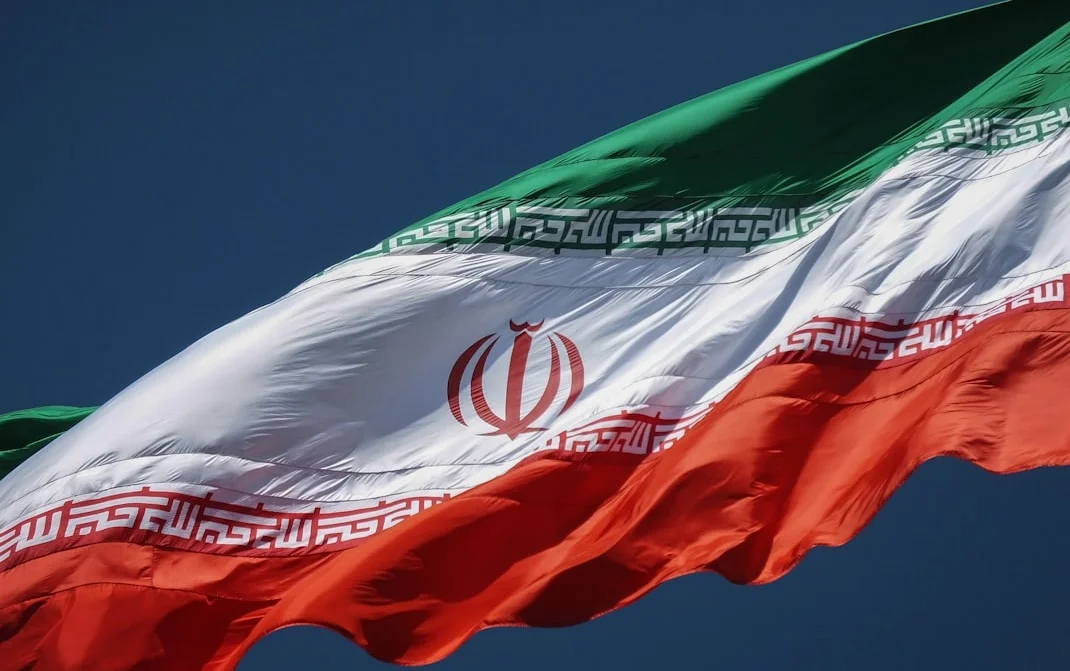
In a separate but related development, Iran has escalated attacks in the Persian Gulf, targeting oil tankers and energy facilities, According to the Iraqi state news agency, on the 11th (local time) Iran attacked two foreign oil tankers anchored in Iraqi territorial waters. The vessels hit were the SafeSea Vishnu, flagged to the Marshall Islands and chartered by an Iraqi company, and the Zephyros, flagged to Malta.
The attack occurred while the two ships were anchored in a “ship-to-ship transfer” zone for parallel offloading operations. Lt. Gen. Saad Maan of the Iraqi military confirmed that six ships were deployed for rescue operations, 38 crew members were rescued, and one person was killed.
Broader regional implications
Amid the Israeli strikes and the Iranian attacks in the Gulf, regional tensions are rising — the Lebanese government has emphasized its commitment to documenting violations of international law and seeking accountability. The U.S. has also signaled potential airstrikes on civilian ports around the Strait of Hormuz, according to reports, as the situation escalates.
As both Lebanon and the Gulf states face increasing military and political pressure, international diplomatic efforts to de-escalate the situation are being closely watched, but the deaths in southern Lebanon and the attacks on oil tankers highlight the complex and volatile nature of the region’s conflicts.



Comments
No comments yet
Be the first to share your thoughts