

 BBC
BBC 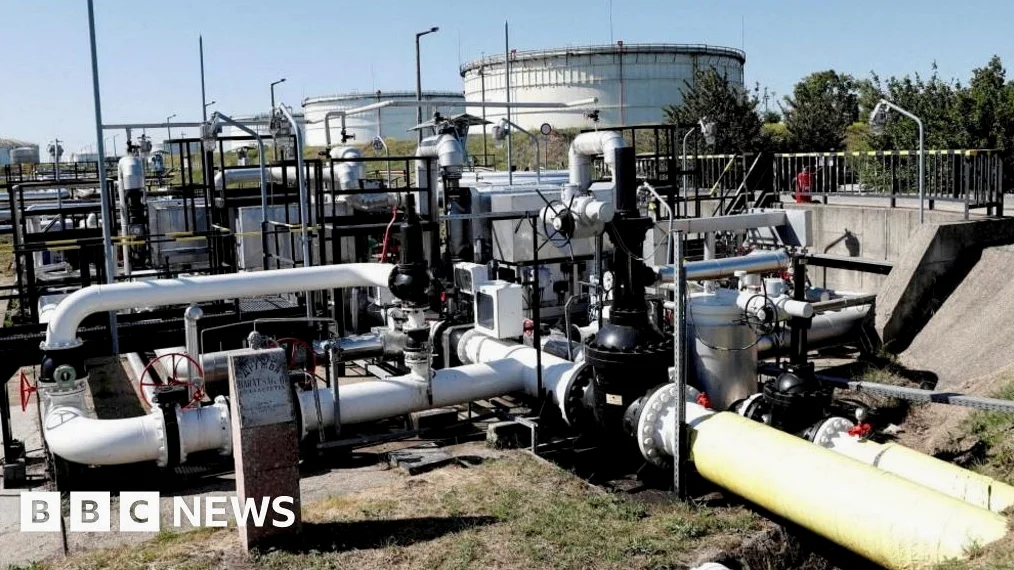
EU Loan Approved After Pipeline Resumed
The European Union has given preliminary approval to a €90bn loan for Ukraine, according to officials, following the resumption of Russian oil flows through a pipeline into Hungary and Slovakia. The move ended months of deadlock over the funding, which had been blocked by Hungary’s then-prime minister, Viktor Orbán.
Orbán’s Veto and Election Outcome
Orbán had slapped a veto on the payment in February after Ukraine said damage from a Russian attack had stopped supplies — However, his election defeat last Sunday cleared the way for the EU to proceed. Hungary’s next leader, Péter Magyar, has made improving relations with Brussels a priority.
Orbán, who is currently acting as caretaker leader until early next month, said at the weekend that as soon as oil deliveries were restored, Hungary would no longer block the loan. In the run-up to the election. He had accused Ukraine of imposing an “oil blockade” on Hungary and Slovakia, claiming that the EU was working with Kyiv against him.
Oil Resumes, Sanctions Package Approved
Slovak Economy Minister Denisa Sakova said she had been told by energy operator Ukrtransnaft that pressurising of the pipeline had begun on Wednesday morning, and crude oil would start flowing into Slovakia on Thursday, for the first time since 27 January. Ukrainian government sources confirmed that pumping had restarted hours after EU ambassadors began discussing the loan.
Ukrainian oil and government sources told officials in Hungary and Slovakia that pumping had restarted. Orbán had demanded the oil start flowing again before the loan could be paid out, and Ukraine confirmed the repairs had been completed on Tuesday.
The loan, which was agreed last December, is now expected to be signed off on Thursday. It includes a 20th package of sanctions on Russia, as well as support for Kyiv. Orbán’s decision to renege on the loan agreement had infuriated EU leaders, who had given Hungary, Slovakia, and the Czech Republic an opt-out from the scheme.
EU foreign policy chief Kaja Kallas said ahead of the ambassadors’ meeting that Ukraine really needs the loan and it is also a sign that Russia cannot outlast Ukraine. Ukrainian Deputy Prime Minister Taras Kachka described the funding as “a matter of life and death” for Kyiv, with two-thirds of it going toward defense needs and the rest toward broader financial assistance.
Ukrainian government sources said the transit of oil had begun at 12:35 local time (09:35 GMT). Hungarian energy firm Mol said it expected the first supplies by Thursday at the latest. Satellite images in late January had shown substantial damage to a major oil tank at Brody in western Ukraine, and Kyiv had insisted repairs would take time, adding that its engineers had been attacked by Russia.
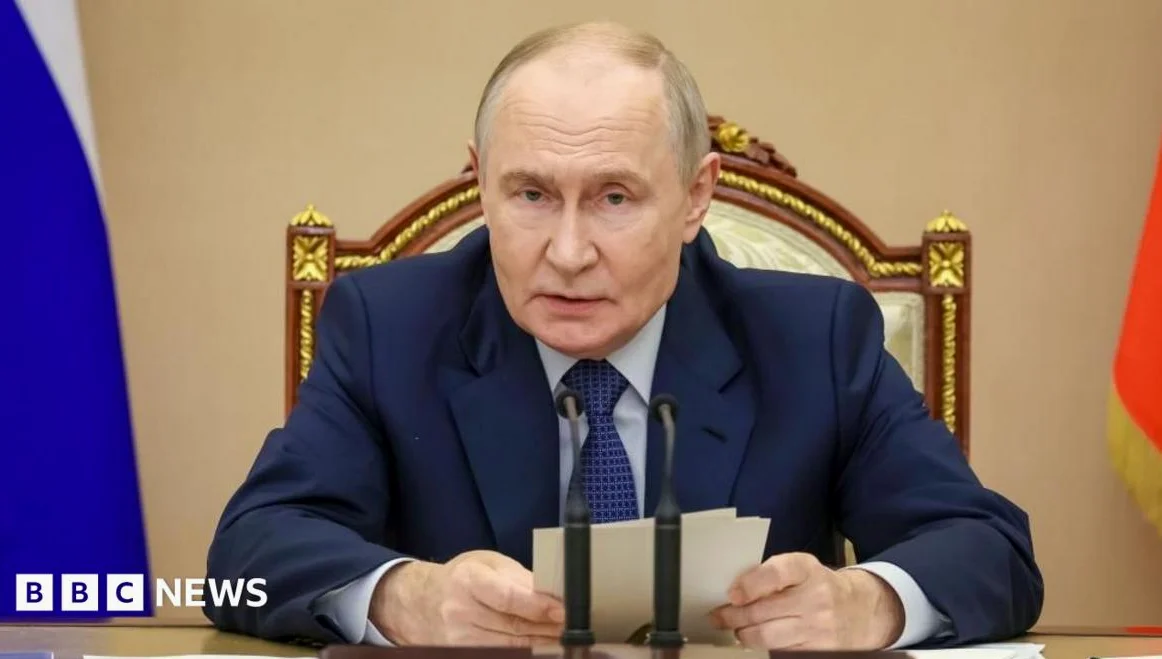
In the meantime, Ukraine has also targeted oil facilities inside Russia, including a pumping station in the Samara region linked to the Druzhba pipeline this week. Orbán, long seen as the EU’s closest partner to Russian President Vladimir Putin, made hostility toward both Ukraine’s Volodymyr Zelensky and the EU central to his failed election campaign. Campaign posters across Hungary portrayed Zelensky alongside Magyar with the message: “They are dangerous!”
Zelensky said on Wednesday that Ukraine was fulfilling its obligations with the EU and that unblocking the €90bn EU funding was “the right signal under the current circumstances.” He added that it was important for the European support package to become operational swiftly, though it could still take weeks before the funding arrives in Kyiv, according to Ukrainian media reports.



Comments
No comments yet
Be the first to share your thoughts