

 ANSA
ANSA 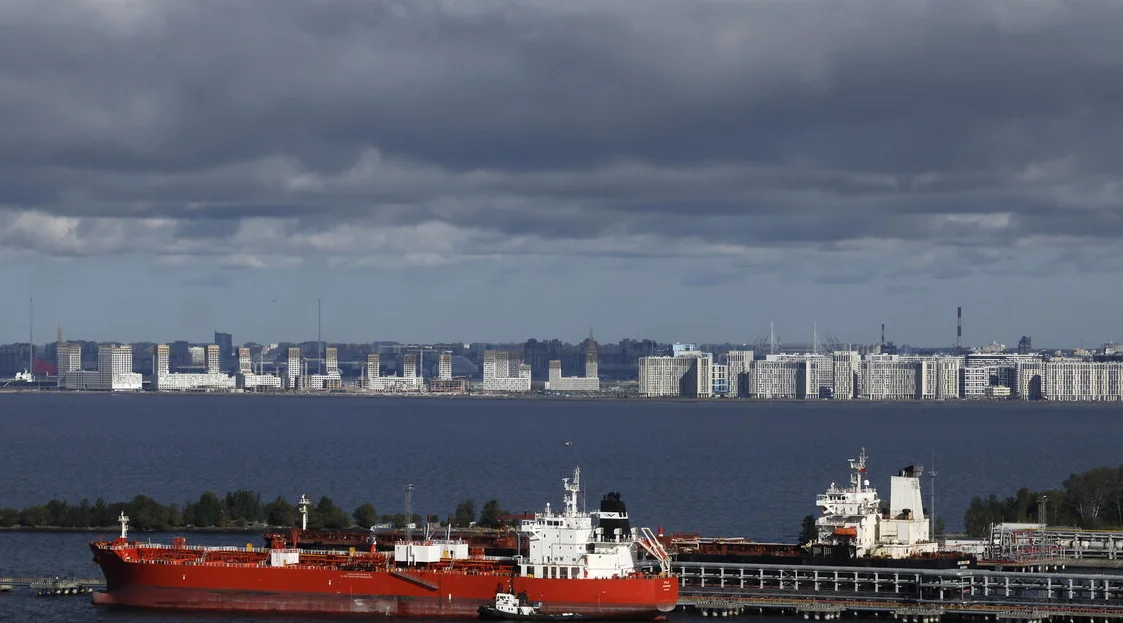
BRUSSELS — European Union officials moved quickly Tuesday to tackle potential shortfalls in Russian oil deliveries. The Commission set an ad hoc coordination group to convene on February 25. Participants will examine the fallout from halted crude shipments via the Druzhba pipeline and scout alternative sources.
Hungary and Slovakia’s recent warnings sharpened the urgency. Both nations threatened retaliation against Ukraine after Kiev disrupted their energy supplies. An EU spokesperson said the Commission is scrutinizing those moves. “This is a constantly changing situation,” she told reporters.
The Druzhba pipeline snakes from Russia through Ukraine to refineries in Central Europe. Hungary and Slovakia rely heavily on its flow for their crude needs. Any prolonged cutoff could squeeze their refineries and spike prices across the region.
“We need to discuss the impact of the disruption,” the spokesperson said. The group will weigh options like ramping up imports from other suppliers or tapping strategic reserves. EU rules limit export restrictions to rare cases, she added. “Any such measures would only be possible under extremely stringent conditions.”
Hungary’s Foreign Minister Péter Szijjártó first raised the alarm last week. He accused Ukraine of breaching a key energy transit deal by blocking Russian oil bound for Budapest. Slovakia’s Prime Minister Ľudovít Ódor echoed the complaint, warning of countermeasures if supplies don’t resume.
Ukraine halted the shipments citing unpaid transit fees and security concerns tied to Russia’s invasion. The move affects only the eastern branch of Druzhba, which serves Hungary and Slovakia. Western branches to Germany and Poland have run dry since 2022 sanctions.
Commission President Ursula von der Leyen has pushed diversification since Moscow’s full-scale war began. The EU slashed Russian oil imports by over 90 percent. Still, landlocked nations like Hungary secured exemptions to keep Druzhba flowing.
Analysts doubt a full cutoff will last. Ukraine earns billions in transit fees annually and risks alienating EU allies. Hungary, which holds sway in Brussels over Ukraine aid packages, could block funding in response.
The February 25 meeting highlights the EU’s fragile energy balance. Winter demand peaks strain grids already hit by high prices. Officials aim to avoid panic buying or shortages that plagued Europe last year.
No immediate supply halts have occurred. Hungary reported steady inflows as of Monday. Slovakia’s refineries operate normally. But prolonged talks could unsettle markets.
The Commission urged calm. “We’re monitoring closely and coordinating with member states,” the spokesperson said. Details on the group’s makeup remain under wraps. Expect energy ministers and industry experts at the table.





Comments
No comments yet
Be the first to share your thoughts