

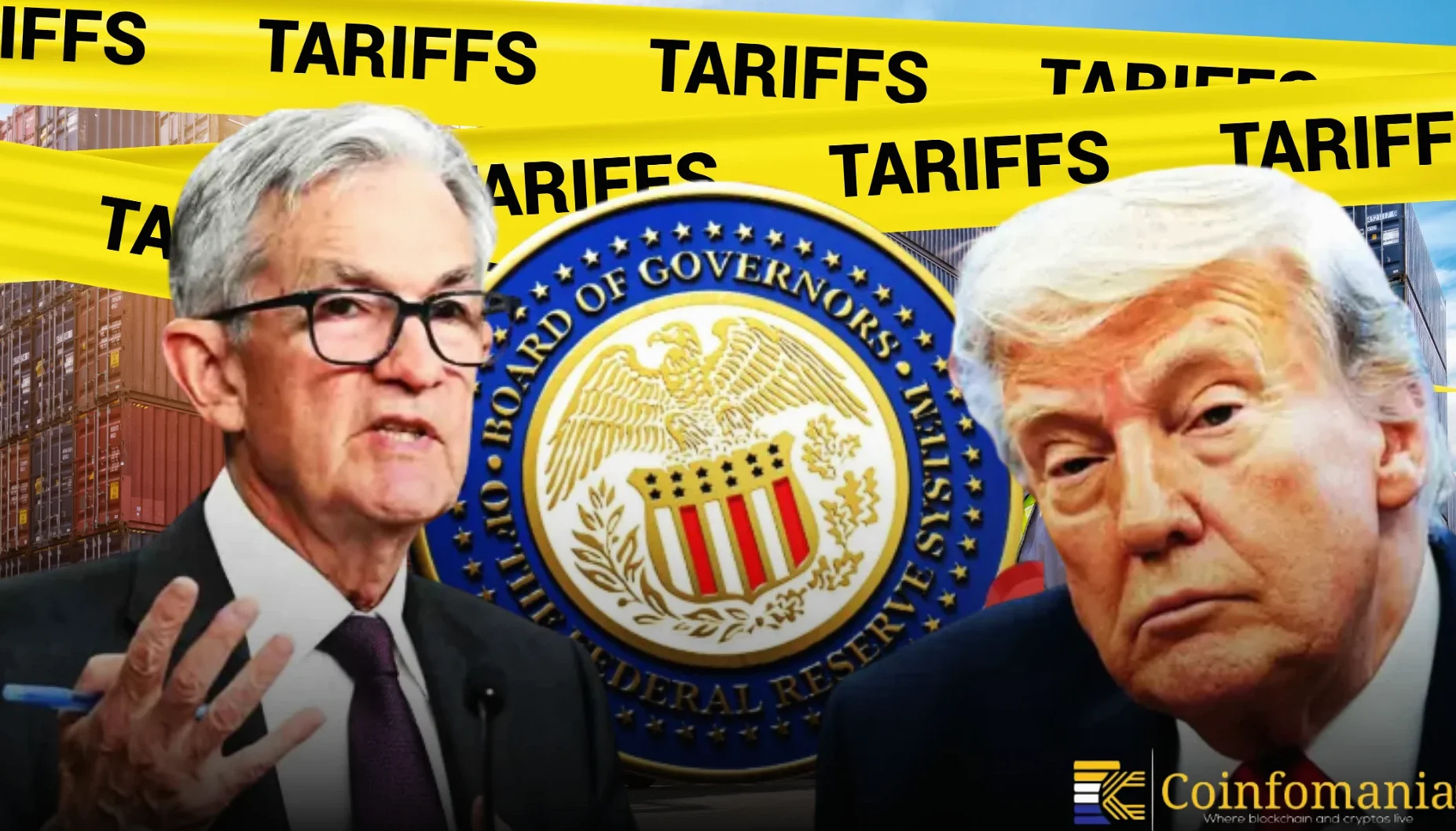
Financial markets have shown remarkable confidence in the Federal Reserve’s upcoming rate decision, with traders pricing in a 96.5% chance of no change. This level of certainty has surged following a major court decision that invalidated Trump-era tariffs, which had previously raised concerns about inflation and supply chain disruptions.
Investors quickly adjusted their expectations after absorbing the legal development and the broader economic signals. The ruling was seen as unlikely to create immediate inflationary or growth shocks, reinforcing market confidence in a stable Fed rate decision.
The Federal Reserve now faces a key moment. While inflation has cooled from its peak, economic growth remains resilient. Policymakers must balance price stability with strong employment data. With the Fed rate decision approaching, investors appear convinced that holding rates steady is the best path forward.
The court’s decision to block the Trump-era tariffs reshaped the trade landscape. Tariffs had once raised concerns about imported inflation and supply chain disruptions. Removing them reduces immediate price pressures in certain sectors. However, markets believe the impact will unfold gradually rather than suddenly.
Federal Reserve policy remains data-dependent. Officials closely monitor employment growth, wage trends, and inflation readings. The latest data suggests moderate economic momentum, supporting the case for a steady Fed rate decision rather than a quick pivot.
Market expectations reflect this thinking. Futures markets show an overwhelming consensus for no change at the next meeting. Investors see little urgency for rate cuts or hikes. Stability remains the dominant theme as the central bank approaches its decision.
Bond markets often signal shifts before equities react. Treasury yields have stabilized after recent volatility, reinforcing the case for a predictable Fed rate decision. Investors appear comfortable with current borrowing costs.
The interest rate outlook hinges on inflation trends. Recent reports show price pressures easing but not collapsing. Core inflation remains above the central bank’s long-term target. Policymakers therefore avoid rushing toward rate cuts.
At the same time, labor markets continue to show resilience. Hiring has slowed slightly but remains solid. Wage growth supports consumer spending. These dynamics reinforce market expectations that Federal Reserve policy will stay steady.
Markets now stand at an inflection point. The court ruling created headlines but did not disrupt financial stability. Instead, traders doubled down on the belief that the Fed rate decision will remain unchanged.
This confidence highlights how deeply market expectations align with current economic data. The interest rate outlook shows gradual moderation rather than dramatic shifts. Federal Reserve policy aims to preserve that balance.
Investors understand that central bankers rarely react impulsively. They respond to sustained trends, not single events. With inflation easing slowly and growth holding steady, a pause makes strategic sense.
The coming weeks will test this near certainty. Yet for now, a 96.5% probability signals remarkable consensus. Financial markets appear united behind a steady path forward.






Comments
No comments yet
Be the first to share your thoughts