

Incident and Rescue Efforts
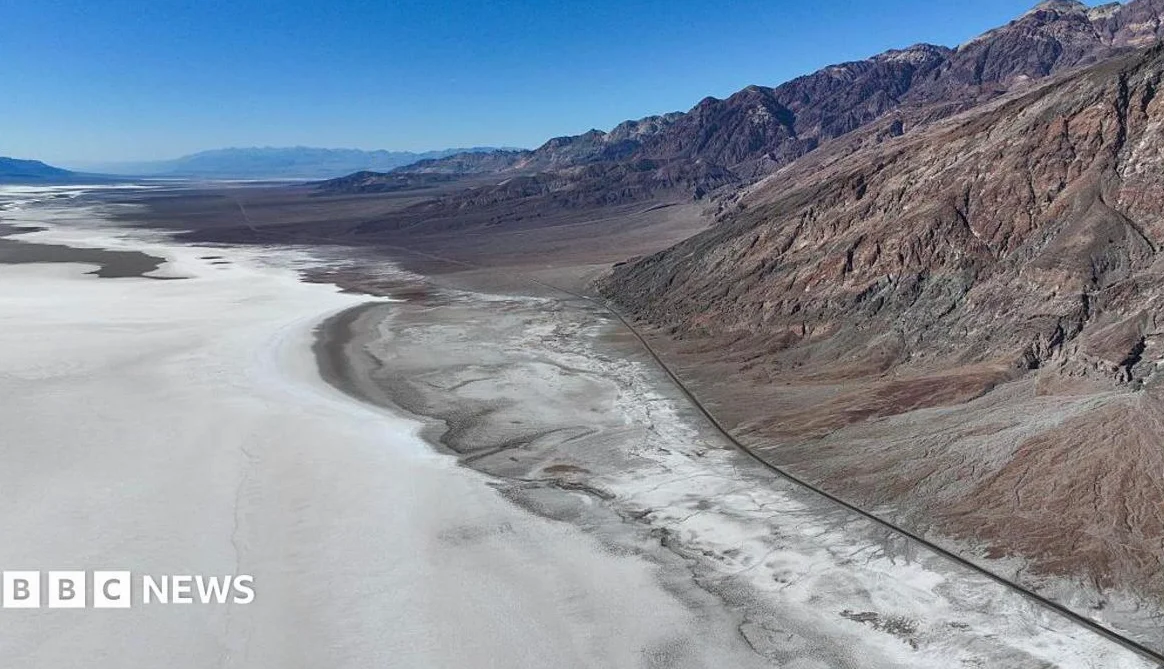
Formosa and his travel companion were driving in the park when their vehicle got stuck in mud near Queen of Sheba Mine Road — they began walking toward Badwater Road to seek help. After covering about 1.3 miles (2.1 km), Formosa could no longer continue; his companion proceeded alone and eventually encountered a passing motorist who provided assistance.
The companion reported the incident at the Furnace Creek Visitor Center shortly after 2 p.m., prompting a search and rescue operation, as Park rangers, an Inyo County sheriff’s deputy, and a California Highway Patrol helicopter joined the effort. The helicopter located Formosa later that afternoon about 1.5 miles from Badwater Road; he was pronounced dead at the scene, according to the NPS.
Conditions and Risks in Death Valley
Death Valley, known as one of the hottest places on Earth, recorded a temperature of 134°F (56.7°C) in July 1913 at Furnace Creek, the highest temperature ever recorded. On the day of the incident, the temperature reached 116°F (47°C), making travel particularly dangerous, though the NPS frequently warns visitors about the park’s extreme heat, vast terrain, and limited cellular service, which can delay emergency assistance by hours.
Mike Reynolds, Death Valley National Park superintendent, expressed condolences to Formosa’s family and emphasized the risks of the park’s environment; “This is a heartbreaking reminder of how quickly conditions here can turn dangerous,” he said. “Death Valley is an extraordinary place, but its heat, distances, and remoteness can be dangerous, regardless of experience.”
Broader Heat-Related Risks in National Parks
Heat-related incidents are not uncommon in U.S. national parks — In June 2024, at least four hikers were reported to have died in Grand Canyon National Park under similar conditions, with temperatures exceeding 100°F (38°C). On June 3, an 18-year-old man was also reported to have died in the park due to suspected heat-related illness.
The NPS advises all visitors to plan their routes carefully, carry ample supplies, and check weather and road conditions before entering remote areas, though Death Valley National Park, which spans approximately 3.4 million acres, includes the salt flats of the Badwater Basin, a nearly 200-mile stretch of sodium chloride.
The Inyo County coroner will determine the cause and manner of Formosa’s death. Meanwhile, the park reiterated its warnings about the dangers of extreme heat and the importance of preparedness for visitors.





Comments
No comments yet
Be the first to share your thoughts