

ATHENS — Greek Migration Minister Thanos Plevris announced that his country is advancing talks with four European partners to create ‘return hubs’ for rejected migrants outside the European Union. Africa tops the list of potential locations, though no specific host nation has been named.
Plevris laid out the details during an interview on Greek state broadcaster ERT. ‘We are no longer speaking theoretically, we are now speaking practically,’ he said. ‘We want to discuss with such safe third countries, preferably in Africa, although this is not absolutely binding.’
The centers would hold migrants unable to return to their home countries because those governments refuse to accept them back. Officials aim for the facilities to discourage irregular migration flows into Europe. Larger EU states are driving the initiative, Plevris added, with Greece actively involved.
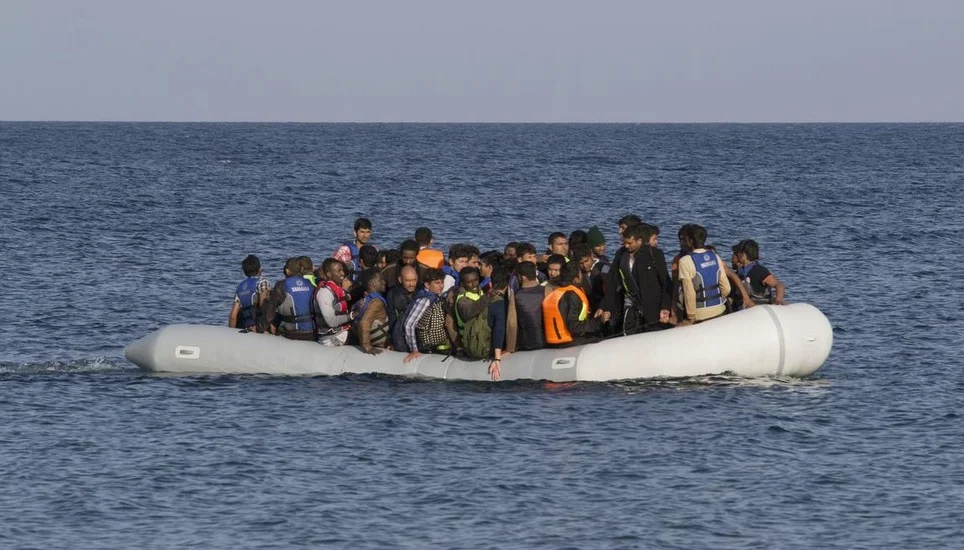
Greece faces heavy migrant pressure as a key entry point. The United Nations refugee agency reports 48,771 arrivals in 2025, including 41,696 by sea. Eurostat data show Greece led the EU in first-time asylum applications per capita that year, surpassing Spain and Italy.
Early 2026 numbers remain high. As of February 15, 2,652 migrants reached Greece, with 1,702 arriving by sea via the Eastern Mediterranean route from Türkiye to the Greek islands. Another 950 crossed by land at the Evros border. Recent groups included nationals from Syria, Afghanistan, Egypt, Somalia and Sudan, according to UNHCR figures.
The push builds on broader EU efforts. In December 2025, 19 member states, including Greece, pressed the European Commission to fund external ‘return hubs.’ They called the concept an innovative fix for migration surges. Past proposals, like deals with Rwanda, have drawn political backlash and court challenges.
Similar strategies exist elsewhere. The Trump administration in the United States sent deportees to African nations such as Cameroon, Eswatini, South Sudan and Ghana.
Plevris emphasized practical progress over past stalled ideas. The group of five nations — smaller players like Greece alongside heavyweights like Germany — hopes to finalize arrangements soon. No timeline for opening the first hub has emerged.
EU leaders have wrestled with migration for years. Irregular crossings persist despite border fortifications and faster asylum processing. Greece’s islands, including Lesbos and Samos, host sprawling camps where thousands await decisions.
Critics question the feasibility of African partnerships. Several African governments have resisted large-scale returns in the past, citing capacity limits and human rights concerns. Supporters argue the hubs could streamline deportations and reduce deadly sea voyages.
For now, talks continue behind closed doors. Plevris did not disclose which African countries might host the centers or how many migrants they could process annually.






Comments
No comments yet
Be the first to share your thoughts