

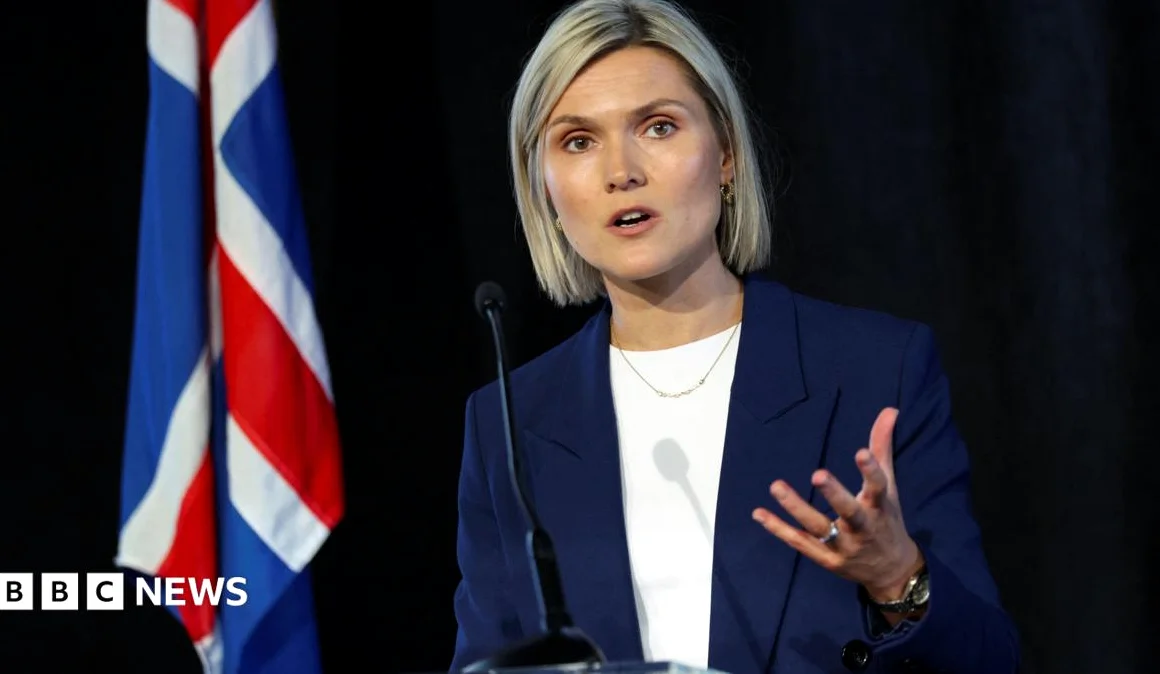
Iceland’s parliament has voted against resuming European Union membership negotiations, marking a significant shift in the country’s political direction, though President Katrín Jakobsdóttir pledged that the EU membership issue would not be revisited during her term, which ends in 2028, according to Al Jazeera. The decision came after a national referendum in 2012, which rejected EU accession talks, and the government has reaffirmed its commitment to respecting the will of the people.
EU Commissioner Emphasizes Iceland’s Unique Position
EU Enlargement Commissioner Marta Kos acknowledged Iceland’s unique circumstances regarding fisheries and agriculture, stating these issues would need to be carefully considered should talks resume, but she expressed confidence that solutions could be found in collaboration with EU member states. Despite the current pause, Iceland remains closely integrated with the EU through its membership in the European Economic Area (EEA) and the Schengen free-movement zone, according to the government.
Historical Context of Iceland’s EU Stance
Iceland first applied to join the EU in 2009 amid the global financial crisis; However, a eurosceptic government halted accession talks in 2013. The current decision to keep EU membership off the agenda reflects a continued reluctance to join the bloc, particularly due to concerns over sovereignty and economic policies. While the 2012 referendum was nonbinding, the government has consistently honored the public’s preference to maintain independence in key sectors such as fisheries.
Government Pledges Respect for Public Will
If the parliament had supported resuming talks, the government stated it would leave the question of formally withdrawing Iceland’s EU membership application to the parliament; this move reveals the democratic process and the government’s commitment to aligning policy with public sentiment. Iceland’s unique status as a non-EU member with deep economic ties to the bloc continues to shape its strategic decisions.


Comments
No comments yet
Be the first to share your thoughts