

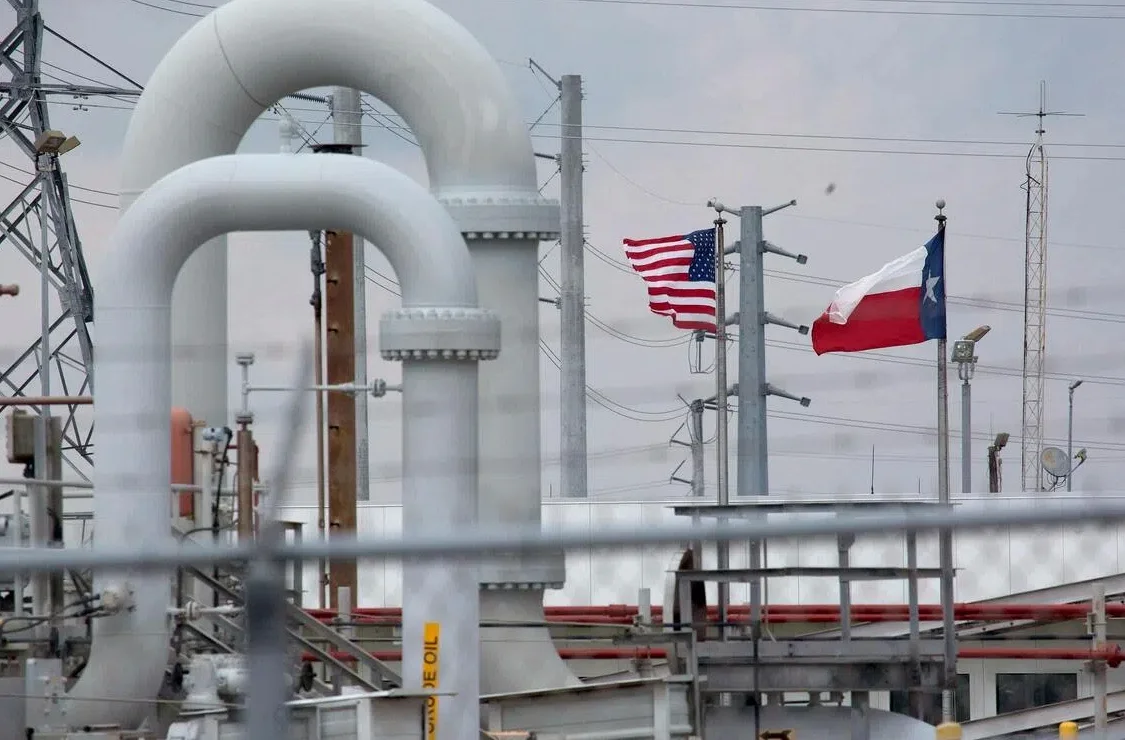
As conflict disrupts oil exports from the Persian Gulf, governments are weighing whether to tap emergency reserves to mitigate the resulting price shocks. The situation has reignited a debate over the role of strategic oil stockpiles, with the U.S. Strategic Petroleum Reserve (SPR) and similar facilities across the globe at the center of the discussion.
Global Reserves and the Iran War Oil Shock
The International Energy Agency (IEA), comprising 32 countries, maintains at least 1.2 billion barrels of oil in emergency reserves, according to the group. These reserves were established in the 1970s as a safeguard against energy crises, and have been deployed on five occasions, including during the 1991 Gulf War, after hurricanes Rita and Katrina in 2005, following the 2011 Libyan civil war, and twice in 2022 due to the Ukraine conflict.
Among IEA members, the United States holds the largest emergency reserves, with capacity to store more than 700 million barrels of oil across four underground sites along the Gulf of Mexico. As of now, the reserves hold approximately 415 million barrels, or 60% of their total capacity. This level was reached after a record drawdown under former President Joe Biden in response to Russia’s invasion of Ukraine.
Meanwhile, China, the world’s largest oil importer, has reportedly built up strategic reserves of about 1.4 billion barrels, according to estimates from Columbia University’s Center on Global Energy Policy. This highlights a growing global awareness of the need for energy security amid geopolitical tensions.
Political and Logistical Hurdles
Despite the availability of these reserves, the U.S. government has been cautious about releasing oil from the SPR. President Donald Trump and his energy secretary, Christopher Wright, have described high energy prices as temporary, suggesting that the market will self-correct without government intervention.
Japan, on the other hand, has instructed its oil storage bases to prepare for a potential release, according to the Nikkei newspaper. However, the Japanese government has not yet made an official decision. India has also stated that it does not plan to tap its emergency reserves, according to reports from March 9.
Analysts, however, remain skeptical about the effectiveness of such interventions. Even if the maximum drawdown rate of the U.S. SPR—4.4 million barrels per day—is combined with contributions from other IEA members, it may only partially offset the 11 to 16 million barrels of supply lost daily from the Persian Gulf, as estimated by Citigroup.
According to the U.S. Department of Energy, the SPR has a maximum drawdown capability of 4.4 million barrels per day. However, an analysis from 2016 indicated that the actual capacity might be limited to 1.4 to 2.1 million barrels per day. During the 2022 release, the SPR never exceeded 1.1 million barrels per day, according to data from ClearView Energy Partners.
Market Confidence and Political Realities
Some officials argue that the current oil market is not in crisis. Energy Secretary Christopher Wright stated on March 8 that there is “no shortage” of oil due to strong U.S. production. IEA executive director Fatih Birol echoed this sentiment, saying there is a “huge surplus” in the market.
However, the Trump administration’s reluctance to release oil from the SPR may also be politically motivated. The president and other Republicans have long criticized the Biden administration for depleting the reserves. A move to release oil could draw criticism from Democrats and undermine the administration’s efforts to replenish the SPR.
Logistical challenges also play a role. The Trump administration has been trying to refill the SPR to “the top,” but the facilities are not designed to receive and release oil simultaneously. Additionally, the administration has cited damage to the infrastructure from the previous drawdown and stated that repairs are ongoing.
Under the 1975 law that established the SPR, a president has the authority to order a full drawdown in the event of a “severe energy supply interruption” that threatens national security or the economy. A limited drawdown—up to 30 million barrels—can be ordered in the case of a “domestic or international energy supply shortage of significant scope or duration.”
The debate over the SPR’s role in addressing the Iran war oil shock reflects broader tensions between short-term economic interests and long-term energy strategy. As the situation in the Persian Gulf continues to evolve, the decision on whether to tap emergency reserves remains a critical factor in shaping global energy markets.






Comments
No comments yet
Be the first to share your thoughts