

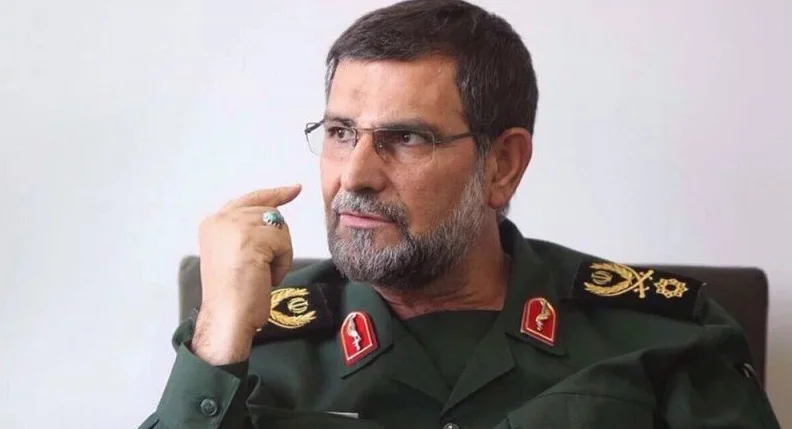
Rear Admiral Alireza Tangsiri, the Chief Commander of the Islamic Revolution Guards Corps (IRGC) Navy, has issued a stark warning that any military strike on Kharg Island would lead to unprecedented disruptions in the global energy market. His comments, posted on his X account on Monday, come amid heightened tensions in the Persian Gulf following recent U.S.-Israeli airstrikes on the island.
Kharg Island: A Strategic Energy Hub
Kharg Island, located in the Persian Gulf, is one of Iran’s most critical energy infrastructure sites. It hosts a major oil terminal that handles a significant portion of Iran’s crude oil exports, which are vital to global energy markets. According to the U.S. Energy Information Administration, Iran exports approximately 1.2 million barrels of crude oil per day, much of it passing through the Strait of Hormuz and the Persian Gulf.
Tangsiri’s remarks echo previous warnings from Iranian officials about the potential consequences of any military action targeting key energy infrastructure in the region. In his post, he referenced past U.S. actions in the Strait of Hormuz, where the U.S. has historically maintained a naval presence to ensure the free flow of oil. He suggested that an attack on Kharg would have even more severe economic repercussions, potentially causing a dramatic spike in global oil prices and disrupting supply chains.
On Saturday, U.S. President Donald Trump announced that 13 military sites on Kharg Island had been struck in airstrikes as part of a U.S.-Israeli operation that began on February 28. The strikes reportedly targeted military installations and infrastructure, though it remains unclear how much damage was done to the island’s energy facilities.
Regional Tensions and Accusations of Exploitation
Tangsiri also directed his comments toward the leaders of Persian Gulf states, accusing the United States and Western nations of exploiting the region for their own interests at the expense of Gulf nations. He claimed that these countries have long been used as pawns in geopolitical conflicts, with their security being sacrificed when U.S. interests are at stake.
“Over the years, we have repeatedly told the rulers of [Persian] Gulf nations that the United States and Western countries will not bring you security,” Tangsiri wrote. “When their interests are at stake, they will sacrifice you for their own gain.”
The Iranian commander argued that the recent airstrikes on Kharg Island have exposed the vulnerability of Gulf states to external interference. He emphasized that true regional reform can only be achieved through greater solidarity among Islamic nations and the removal of U.S. military presence from the area.
Analysts have noted that Iran’s warning is not just a diplomatic maneuver but a strategic signal to both regional and global powers. The Persian Gulf is a crucial artery for global oil trade, with about 20% of the world’s seaborne oil passing through the Strait of Hormuz. Any disruption in this area could have far-reaching consequences, including a potential spike in global oil prices.
Implications for Global Energy Markets
The potential impact of an attack on Kharg Island on global energy markets cannot be overstated. According to a report by the International Energy Agency, even a temporary closure of the Strait of Hormuz could lead to a surge in oil prices, potentially exceeding $100 per barrel. The Strait of Hormuz is the world’s most critical oil chokepoint, with over 18 million barrels of crude oil passing through it daily.
Tangsiri’s warning comes at a time when global energy markets are already volatile due to ongoing conflicts in the Middle East and geopolitical tensions. The U.S. and its allies have been increasing military activity in the region, raising concerns about the potential for further escalation.
Iran has previously warned that any military strike on its territory could lead to a significant disruption in oil supplies. In 2019, the U.S. and Iran faced a standoff over the Strait of Hormuz, with both sides accusing each other of threatening the free flow of oil. Although no major attacks occurred during that period, the situation was tense and highlighted the strategic importance of the region.
With the current tensions in the Persian Gulf, the warning from Tangsiri adds another layer of uncertainty to an already complex geopolitical landscape. The potential for an attack on Kharg Island or other Iranian energy facilities remains a concern for both regional and global stakeholders.
What’s next? The U.S. and its allies are expected to continue monitoring the situation closely, while Iran is likely to maintain its stance of resistance against any perceived threats to its sovereignty. The coming weeks will be crucial in determining whether the region can avoid further escalation or if the situation will continue to deteriorate.






Comments
No comments yet
Be the first to share your thoughts