

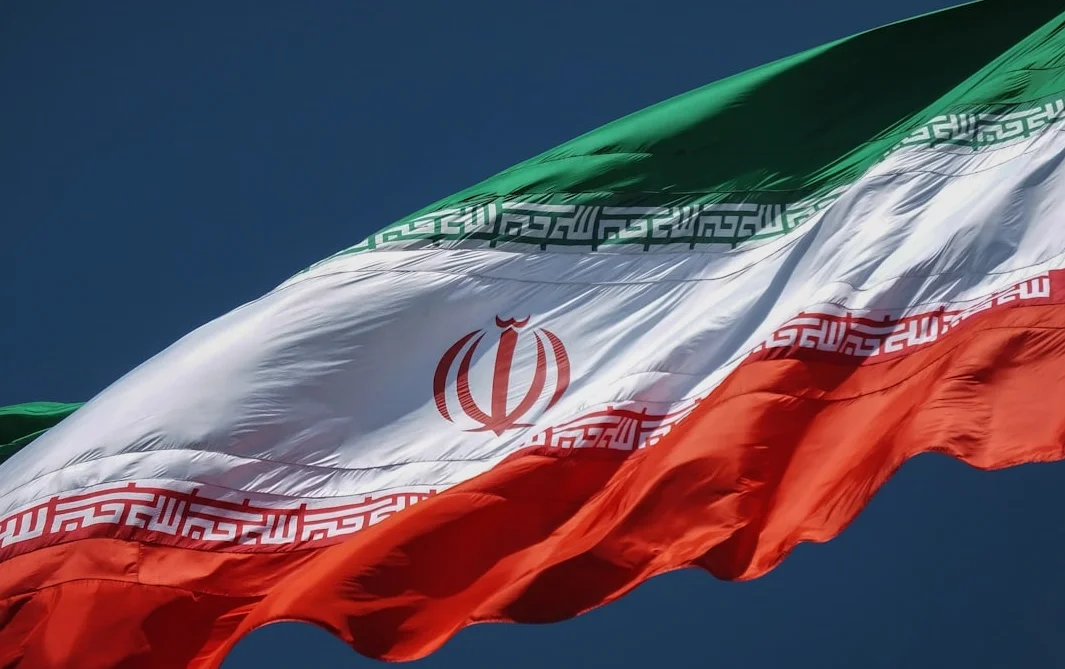
Diaspora Sides Against Each Other
Many Iranians in Western countries have taken opposing stances. Some support the war, aligning with Reza Pahlavi, son of Iran’s deposed Shah Mohammad Reza Pahlavi, while others, like comedian and satirist Maziyar Khorsandi, oppose it. Khorsandi, whose father was a target of a 1984 failed assassination attempt allegedly orchestrated by the Iranian government, criticizes the war as “a racist war” and claims it has given the government “a new lease of life” while stifling the pro-democracy movement.
“It’s disappointing and depressing,” Khorsandi said in an interview with Al Jazeera — he rejects Pahlavi’s politics, calling him a “willing servant of the Israeli government.”
War as Tool of Domestic Repression
According to Iran News Update, the Iranian administration has used the war to tighten its grip on society, and Thousands of young dissidents were reportedly arrested, while ten members of the People’s Mujahedin of Iran (PMOI) and participants in the January uprising were executed. The Basij, a paramilitary volunteer force, remained deployed in cities for months to deter protests.
Parliamentary activity was also suspended for an extended period, as the government sought to prevent internal factional conflicts from spilling into public discourse. The administration’s strategy, however, appears to have only delayed the re-emergence of deeper tensions.
Ceasefire Exposes Divisions
As the war subsided and a ceasefire took hold, the administration’s internal instability became more visible, according to Iran News Update. A major point of contention has emerged over a memorandum of understanding signed with the United States. The ceasefire has revealed growing divisions within the leadership, suggesting the government is struggling to maintain cohesion amid ongoing political and economic challenges.
The war has also had significant global consequences. It has upended the global economy, caused energy prices to spiral, and led to the deaths of thousands of civilians, primarily in Iran and Lebanon. The region remains at a crossroads, with uncertainty looming over the future of the conflict and its aftermath.

Comments
No comments yet
Be the first to share your thoughts