

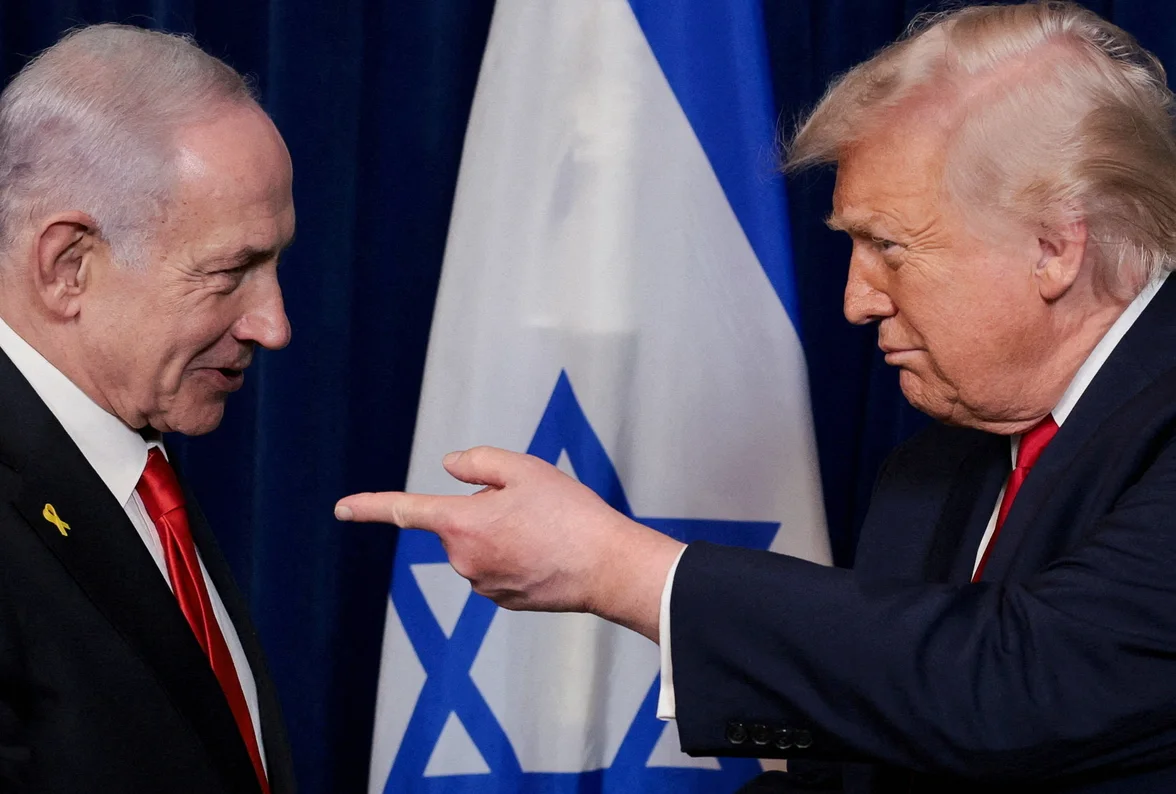
Netanyahu’s rejection of the plan, which Trump has as a key foreign policy achievement, reveals deepening tensions between Israel and the Trump administration — the 15-point plan, introduced in October 2024, envisions a phased withdrawal of Israeli forces from Gaza in tandem with Hamas disarmament. However, Netanyahu insisted that Israel will not withdraw until Hamas is completely disarmed.
Disarmament Conditions and Political Tensions
Hamas, for its part, has conditioned its compliance on Israel halting its military operations in Gaza. A member of Hamas’s negotiating delegation told Al Jazeera last month that the group will only disarm once Israel ends what it calls its “genocidal actions.” The Board of Peace, a Trump-created body overseeing the plan, recently stated that Israeli withdrawal will only occur after Hamas is disarmed.
According to the Gaza Health Ministry, Israeli military operations have killed more than 1,200 Palestinians since a U.S.-mediated ceasefire agreement in October 2025; Over the course of the broader conflict, which began in October 2023, more than 73,300 Palestinians in Gaza have been killed, the ministry said.
Netanyahu’s Stance and Domestic Political Context
Netanyahu emphasized that Hamas must surrender all weapons, including heavy and lighter arms — as a prerequisite to any Israeli withdrawal. “As long as I am prime minister, there will be no Palestinian state,” he said, reinforcing his hardline position on the future of the occupied territories.
Netanyahu’s comments also reflect domestic political pressures. He is expected to face a national election in October, with recent polls suggesting he may lose. His government has been under increasing scrutiny over its handling of both the Gaza war and the Israel-Iran conflict.
Netanyahu has also criticized the U.S.-Iran framework deal, announced recently, as a potential threat to Israel’s national security. While the Trump administration has called the agreement a diplomatic breakthrough, Netanyahu has said Israel is not bound by all of its provisions. He has previously described Iran’s nuclear ambitions as an existential threat to Israel.
International Reactions and the Peace Process
Trump, in a recent statement, claimed that Hamas had agreed to lay down arms, calling it a “breakthrough” in the peace process. However, Hamas has maintained that it will only disarm after Israel fully withdraws from Gaza and ceases all hostilities. The group also said that its surrender of heavy weapons would occur only after a Palestinian state is established.
The Board of Peace, which is responsible for overseeing the implementation of the plan under UNSC Resolution 2803, has yet to issue a formal response to Netanyahu’s rejection. The administration did not immediately comment on the developments.
Meanwhile, the U.S.-Iran framework deal, which reportedly includes the reopening of the Strait of Hormuz and an end to the U.S. blockade of Iranian ports, is expected to be signed in Geneva. Some Israeli officials have called for a break from Trump’s diplomacy, but Netanyahu has not publicly distanced himself from the administration.
In Lebanon, UNIFIL reported a decrease in violence and gunfire after the agreement was announced, according to a spokesperson for UN Secretary-General António Guterres. However, the long-term implications of the deal remain uncertain, particularly in the context of the ongoing conflict in Gaza.






Comments
No comments yet
Be the first to share your thoughts