

 The Guardian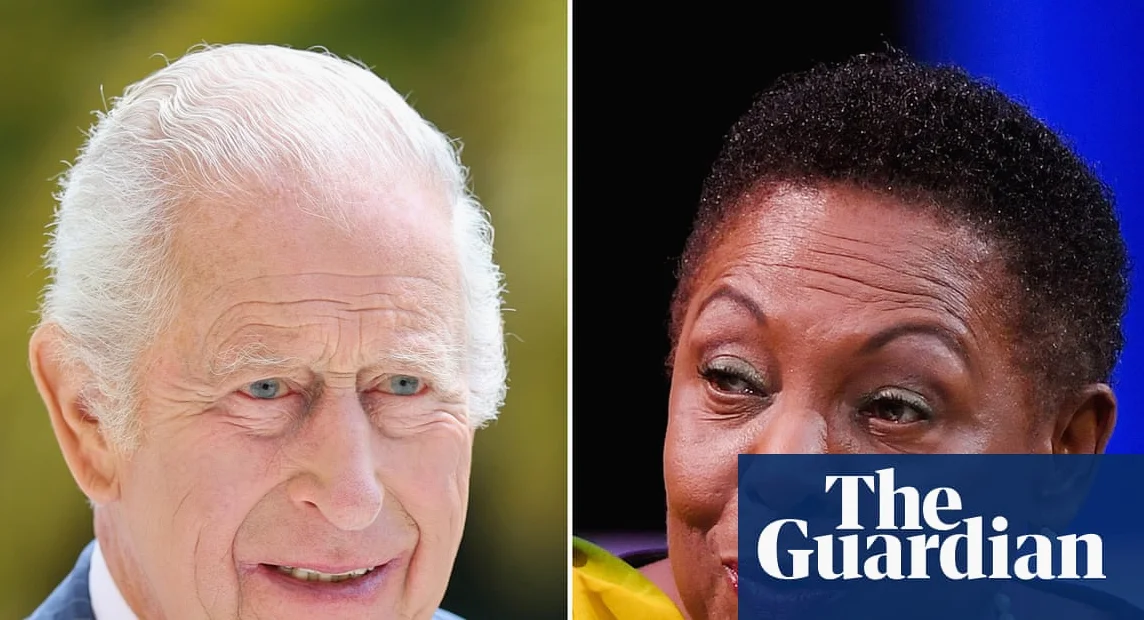
Jamaica’s Resilience and Historical Struggles
Olivia Grange, Jamaica’s culture minister, stated that the nation is resilient, having bounced back from events like Hurricane Melissa; However, she highlighted the persistent challenges stemming from the legacy of slavery.
Grange, who arrived in London at the weekend with members of the National Council on Reparations, emphasized the need to confront inherited problems from the past. She noted how these issues have hindered the country’s progress and response to modern challenges such as the climate crisis.
Grange said the petition asks the monarch to use his authority to request legal advice from the judicial committee of the privy council, the committee serves as the final court of appeal for UK overseas territories and some Commonwealth countries.
Reparations and Legal Questions
The petition seeks to determine if the forced transport of Africans to Jamaica was lawful and if it constitutes a crime against humanity — it also asks whether Britain is under an obligation to provide restitution for slavery and its enduring consequences.
Jamaica established a national reparations mechanism in 2009, making it the first Caribbean nation to do so — Grange said the aim was to address the enduring impacts of slavery, which have left countries like Jamaica at a significant economic disadvantage.
Ralph Gonsalves, a former prime minister of St Vincent and the Grenadines, echoed Grange’s sentiments; he emphasized that the present is shaped by the past, particularly the legacies of underdevelopment rooted in native genocide and enslavement.
Gonsalves is an elder and adviser for the Repair Campaign, a movement advocating for reparatory justice. He said Jamaica’s visit is a critical milestone in a series of upcoming events, including a Caribbean reparations conference in Barbados and planned advocacy at the UN general assembly and Commonwealth heads of government meeting.
Global Calls for Reparations
There are growing global calls for Britain and other former colonial powers to recognize transatlantic slavery as a crime and engage in reparatory justice; In March, 123 nations voted for a UN resolution describing chattel slavery as the gravest crime against humanity.
In June, the Caribbean launched a manifesto outlining the moral, ethical, and legal case for reparations, though Plus, a UN committee on the elimination of racial discrimination said countries are legally obliged to consider reparations for the transatlantic slave trade.
The UK abstained from voting in the March UN resolution; In October 2024, former British prime minister Keir Starmer resisted pressure to include reparations in the Commonwealth heads of government meeting agenda.
Grange hopes the visit will facilitate a unifying response to the complicated history, Later on Sunday, the delegation will host a remembrance church service in Brixton. They are also scheduled to meet with UK members of parliament and visit the British Museum to discuss repatriation of Jamaican artefacts.
Grange emphasized the importance of humanity and unity, stating that despite differences in history, heritage, and skin color, the goal is to live together and respect each other. She also highlighted Jamaica’s culture of ‘One Love,’ inspired by Bob Marley’s iconic song.


Comments
No comments yet
Be the first to share your thoughts