

 BBC
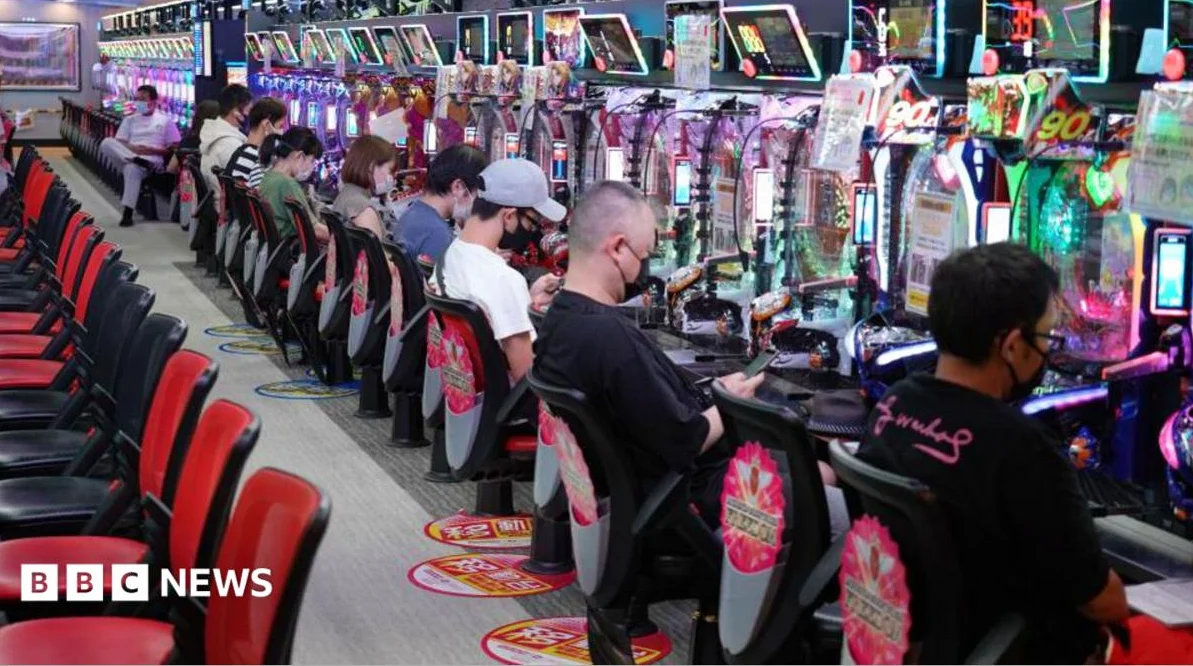
Japan has executed a man who killed five people in a gaming parlour fire in 2009, making this the first time in more than a year that the country has enacted the death sentence. Sunao Takami, 58, had doused the pachinko gaming parlour near his home in Osaka with gasoline and set it alight, killing four customers and one employee.
Legal Proceedings and Verdict
A six-member jury and a panel of three judges rejected the defence’s argument that Takami was mentally ill at the time of the crime, and sentenced him to hang in 2011. Japan and the United States are the only G7 countries that still impose capital punishment, with death row prisoners in Japan typically being notified of their hanging just a few hours in advance.
“We ordered the execution after careful and thorough consideration,” Justice Minister Hiroshi Hiraguchi said on Friday; this is the first execution carried out under the Takaichi administration.
Recent Executions and Public Opinion
In June last year, Japan executed Takahiro Shiraishi, dubbed the “Twitter killer,” who murdered and dismembered nine people in 2017. Shiraishi’s killings came to light in October 2017, when police found body parts in the Japanese city of Zama, near Tokyo, when they were searching for one of the victims.
Surveys suggest there is strong public support for the death penalty in Japan. Rights groups, however, have criticised authorities for leaving death-row inmates in solitary confinement for long periods of time, and also pointed to a lack of transparency as to when executions are carried out.
International and Domestic Reactions
Japan’s use of the death penalty has drawn international scrutiny, with critics highlighting concerns over human rights and due process — the government, however, maintains that the justice system operates within legal and ethical boundaries. The execution of Takami has reignited debates both within Japan and globally about the appropriateness of the death penalty and the conditions in which condemned prisoners are held.
The country’s legal framework allows for the death penalty in cases of murder and other severe crimes, though the process from sentencing to execution can vary, with some prisoners spending decades on death row before an execution is carried out. The secrecy surrounding the timing of executions adds another layer of controversy to the practice.
The execution of Takami follows a period of relative inactivity in Japan’s use of the death penalty, as the last execution before this one was in June 2022, when Shiraishi was put to death. The government has not provided a detailed timeline for future executions, citing the need to maintain the integrity of the judicial process.
Public opinion polls indicate that a significant majority of Japanese citizens support the death penalty, particularly in cases involving premeditated and violent crimes — this support is often attributed to a strong sense of justice and a desire for retributive punishment among the population.
Human rights organizations continue to raise concerns about the conditions in Japanese prisons and the psychological impact of prolonged solitary confinement on death-row inmates; they also call for greater transparency in the judicial process and the scheduling of executions.
Comments
No comments yet
Be the first to share your thoughts