

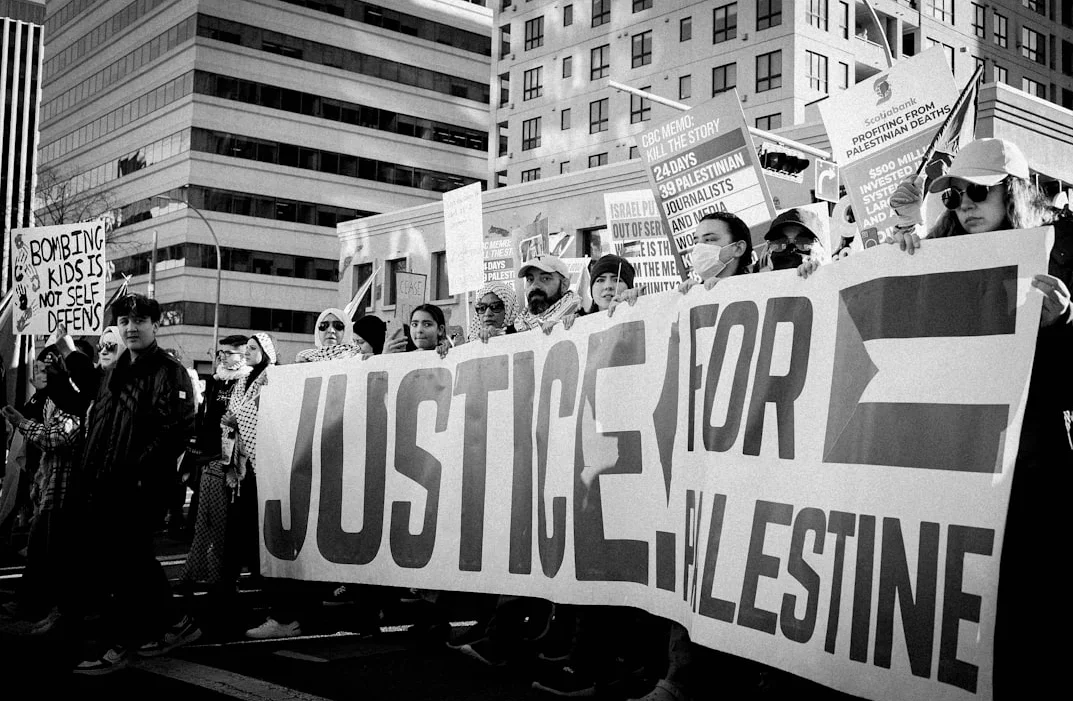
August 25 marks five years since the Myanmar military launched a genocidal campaign against the Rohingya, a Muslim-majority ethnic group. According to Al Jazeera, the campaign included mass killings, sexual violence, and forced displacement, with over 700,000 Rohingya fleeing to Bangladesh. Today, around 1.2 million remain in refugee camps, while a new wave of persecution forces more from their homes in Rakhine state.
Persecution Continues in Rakhine
Although the Arakan Army (AA) now controls much of Rakhine state, the brutality against the Rohingya has not ceased. Evidence has emerged of mass killings, forced recruitment, and severe restrictions on movement. According to Al Jazeera, sexual violence—once a hallmark of the 2017 campaign,continues under AA rule.
Survivors and advocates have turned to international legal mechanisms to seek justice. As noted by Justice in Conflict, international courts and UN mechanisms are limited by political gridlock, prompting efforts in national courts through the principle of universal jurisdiction (UJ). Cases have been brought in Argentina, Germany, and other countries, though challenges remain in enforcing accountability.
Universal Jurisdiction and International Legal Efforts
Universal jurisdiction allows national courts to prosecute grave crimes committed abroad, and activists are using this principle to hold perpetrators accountable for atrocities in Myanmar. According to Justice in Conflict, the International Criminal Court (ICC) has jurisdiction only over crimes against the Rohingya in Bangladesh, as Myanmar is not a Rome Statute signatory. Meanwhile, the ICJ has taken up genocide claims, but progress remains slow.
Survivors of the Rohingya genocide and other ethnic groups in Myanmar continue to demand justice in various forms. Some seek formal trials, while others emphasize human rights protections, economic equality, and citizenship guarantees, as noted in the Justice in Conflict piece. These differing visions reflect the complex and varied nature of justice for victims of atrocity crimes.
Global Advocacy and Legal Pioneers
Legal experts and human rights advocates play a key role in advancing accountability. Luis Moreno Ocampo, former International Criminal Court prosecutor and prominent human rights advocate, has been vocal in defending marginalized communities, including the Armenian population of Artsakh. In an exclusive interview with The Armenian Weekly, Ocampo discussed his career and the importance of global justice movements.
Ocampo’s work in Argentina’s Trial of the Juntas, which prosecuted military officials for crimes during the dictatorship, inspired a film and sparked what Harvard professor Kathryn Sikkink described as a “global justice cascade.” Ocampo’s current efforts, including advocacy for victims of Azerbaijan’s actions in Artsakh, highlight the ongoing role of international legal frameworks in addressing mass atrocities.

Comments
No comments yet
Be the first to share your thoughts