

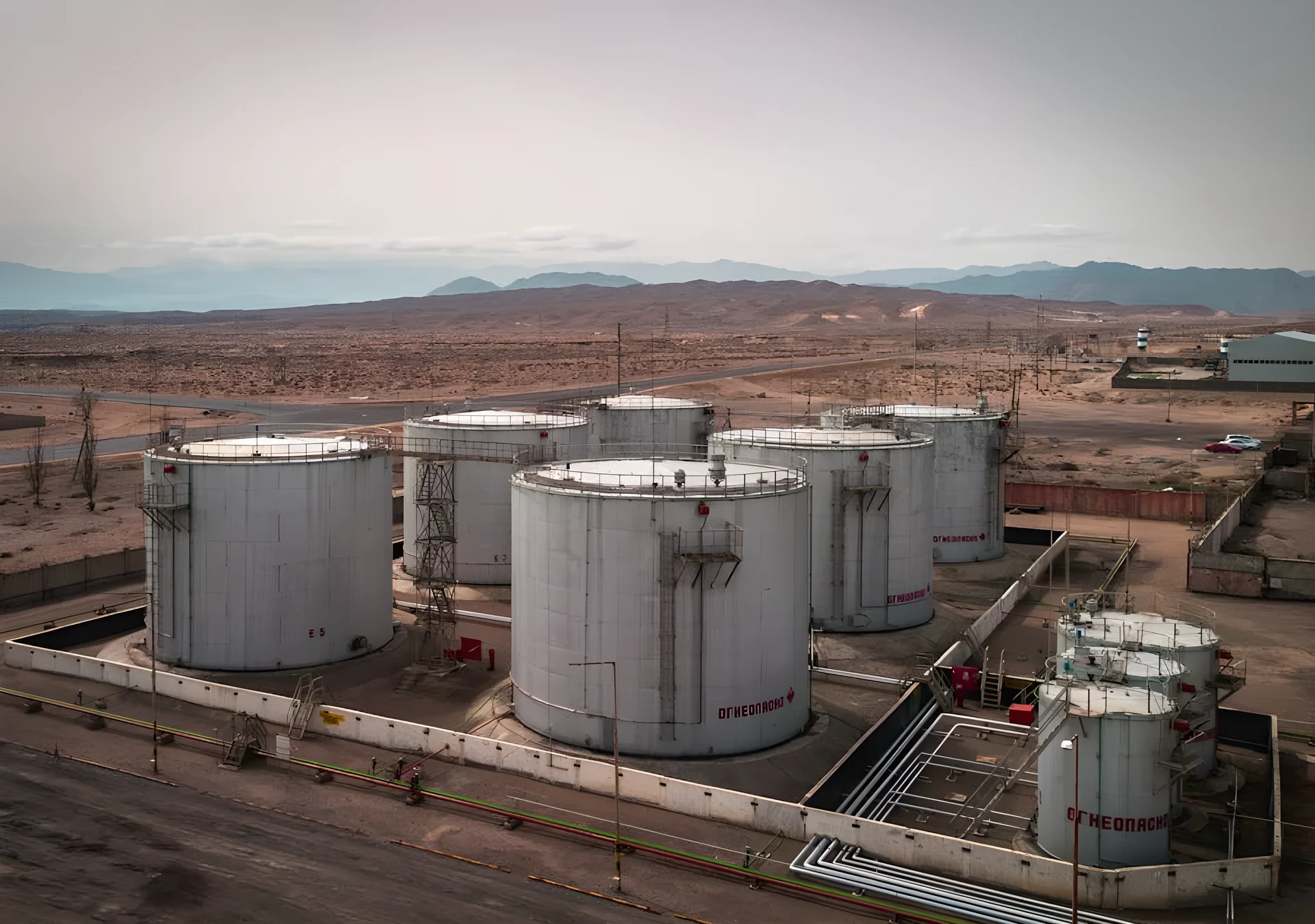
A strike hit Kam Air’s fuel depot in Kandahar, Afghanistan, with the Taliban accusing Pakistan of carrying out the attack, escalating regional tensions in the region.
Strike Details and Immediate Aftermath
Thick black smoke rose from the private airline Kam Air’s fuel depot after a strike in what the Taliban claimed was a Pakistani air strike, according to reports. The incident occurred in Kandahar, a key city in southern Afghanistan, raising concerns about the safety of critical infrastructure in the region. The attack comes amid a backdrop of heightened military activity and geopolitical tensions involving multiple regional actors.
According to the Jerusalem Post, the attack occurred following a missile that was intercepted on its way to Doha, Qatar, on Friday night, with the country evacuating certain areas as a precautionary measure. The incident highlights the volatile security situation in the region, where various factions are vying for control and influence.
The Reuters Connect report highlighted the visual impact of the strike, noting that thick black smoke was visible from the fuel depot, indicating the severity of the damage. This imagery captures the immediate aftermath of the attack and the potential risks associated with such incidents in sensitive areas.
Regional Reactions and Accusations
The Taliban has accused Pakistan of carrying out the strike on Kam Air’s fuel depot, a claim that has been met with denial from Pakistani authorities. The Taliban’s assertion comes at a time when relations between Pakistan and Afghanistan have been strained due to various security and political issues. According to the Jerusalem Post, the attack came after a missile was intercepted on its way to Doha, Qatar, on Friday night, with the country evacuating certain areas as a precautionary measure.
Meanwhile, the Arabic-language source, Saba News Agency, reported that Afghanistan has accused Pakistan of bombing a fuel depot near Kandahar airport. The report indicated that the incident has further complicated the already delicate situation between the two neighboring countries. The article also mentioned the broader context of regional tensions involving Iran and Israel, which have been escalating due to various military operations and political maneuvers.
According to the Jerusalem Post, the attack on Kam Air’s fuel depot has reignited discussions about the security of critical infrastructure in Afghanistan, particularly in light of the ongoing conflict and the involvement of various regional actors. The incident has raised concerns about the potential for further escalation of hostilities in the region.
Local Impact and Response
The strike on Kam Air’s fuel depot has had a significant local impact, affecting the operations of the private airline and raising safety concerns for the surrounding communities. The incident has led to disruptions in the supply chain and potential delays in flights, impacting both local and international travelers. According to the Korean-language source, Maeil Business News, the attack has highlighted the vulnerabilities of critical infrastructure in Afghanistan, which is already facing numerous challenges due to the ongoing conflict.
The local response has been mixed, with some communities expressing concern over the security of their infrastructure, while others are calling for increased international attention and support. The incident has also sparked discussions about the need for improved security measures and the importance of protecting critical infrastructure in the region.
According to the Arabic-language source, the attack on Kam Air’s fuel depot has not only affected the airline’s operations but has also raised questions about the safety of other critical infrastructure in the area. The incident has highlighted the need for a coordinated response from regional actors to address the underlying issues contributing to the current situation.
International Implications and Forward-Looking Concerns
The strike on Kam Air’s fuel depot has broader international implications, as it has the potential to affect regional stability and security. The incident has raised concerns about the involvement of external actors in the conflict and the potential for further escalation of hostilities. According to the Jerusalem Post, the attack came after a missile was intercepted on its way to Doha, Qatar, on Friday night, with the country evacuating certain areas as a precautionary measure.
The international community has been closely monitoring the situation, with various stakeholders expressing concern over the potential for further escalation. The incident has also raised questions about the role of international actors in the region and the need for a more thorough approach to addressing the underlying issues.
Looking ahead, the situation remains uncertain, with the potential for further escalation of hostilities and the need for a coordinated response from regional actors. The incident has underscored the importance of maintaining regional stability and addressing the underlying issues that contribute to the current situation.
Why It Matters and What’s Next
The strike on Kam Air’s fuel depot highlights the vulnerability of critical infrastructure in Afghanistan and the potential for further escalation of hostilities in the region. The incident has raised concerns about the safety of such infrastructure and the need for improved security measures. The impact of the attack extends beyond the immediate area, affecting regional stability and the operations of key players in the aviation industry.
What’s next is a critical question as the situation unfolds. The international community will be watching closely to see how the conflict develops and whether there are any diplomatic efforts to de-escalate the situation. The incident also raises the need for increased international support and cooperation to address the underlying issues contributing to the current crisis.






Comments
No comments yet
Be the first to share your thoughts