

 Al Jazeera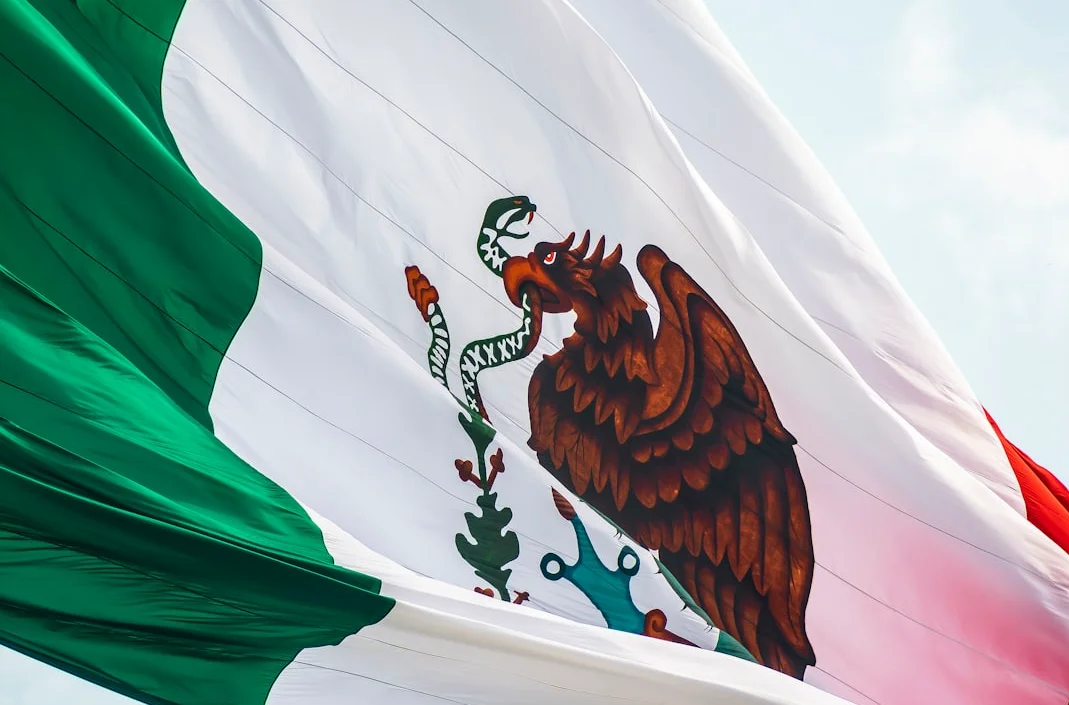
Rocha Resumes Duties After Leave of Absence
On Friday, Ruben Rocha Moya, the governor of the Mexican state of Sinaloa, announced on social media that he had resumed his duties after taking a leave of absence on May 1. Rocha maintained his innocence in the face of US accusations that he protected a faction of the Sinaloa Cartel in exchange for political favors.
‘Today, I return to my responsibilities as governor of Sinaloa with a clear conscience and my head held high, with the power of the truth on our side,’ Rocha stated in his post. ‘Let there be no doubt: Now and always, I will defend — relentlessly and without compromise — my honour and that of my family.’
Rocha is among several Mexican officials who have faced criminal charges and other punitive measures under the second administration of US President Donald Trump. Since returning to office in 2025, Trump has pursued a strategy to reduce crime across the Western Hemisphere, including labeling gangs like the Sinaloa Cartel as ‘foreign terrorist organizations.’
Indictment and Political Allegiances
On April 29, the Trump administration unsealed a criminal indictment against 10 Mexican officials and businessmen. These individuals included a senator from Sinaloa, a public security secretary for the state, the mayor of Culiacan, and several high-ranking police leaders. Rocha was among those indicted.
Rocha, previously a senator, is a prominent figure in the left-wing Morena party, which has gained significant influence in Mexican politics. His political relationship with former President Andres Manuel Lopez Obrador dates back decades.
According to the indictment, the Trump administration accused Rocha of winning his 2021 election as governor by collaborating with The Chapitos, a faction of the Sinaloa Cartel led by the children of imprisoned kingpin Joaquin ‘El Chapo’ Guzman. The Chapitos are alleged to have stolen ballots for Rocha’s election rivals and kidnapped opposition members in return for allowing them to ‘install other corrupt officials in positions of power’ in the state of Sinaloa.
Responses from Mexican Government
Claudia Sheinbaum, Mexico’s president and a leader of the Morena party, has asked the US government to provide definitive proof in the case. ‘No Mexican citizen, regardless of political party affiliation, or whether they belong to a party at all, or whether they are a public official, should be denied a fair trial. If they are accused, there must be evidence to support that accusation,’ Sheinbaum said in May.
She also suggested that the Mexican government should handle the case. ‘What are we asking for? Simply: Do you have evidence against the governor who is on leave? Present it, so the prosecutor’s office can conduct its investigation.’
Rocha portrayed his decision to temporarily leave office as a way to make himself available to the Mexican Attorney General’s Office (FGR), which opened an investigation into the validity of the US indictment. In his Friday post, Rocha claimed he had been exonerated by the ongoing proceedings.
‘After 112 days of investigation, the Attorney General’s Office has already announced at a news conference that there is not a shred of evidence to support any claim of my involvement in criminal conduct,’ Rocha wrote. ‘In other words, I have committed no crime under our country’s constitutional and legal framework.’
Rocha also praised President Sheinbaum for defending Mexico’s sovereignty against ‘the machinations of foreign interests and the treachery of the far-right opposition.’ However, Mexico’s Secretariat of the Interior, a federal agency, later contradicted some of Rocha’s remarks by stating that the Attorney General’s Office ‘maintains open investigations related to the 10 individuals named by the United States Department of Justice, including the governor of Sinaloa.’
Rocha’s return to public office was described as a ‘personal decision,’ the statement added. It reiterated the Sheinbaum administration’s call for the US government to provide evidence supporting the allegations against Rocha.
‘The Ministry of Foreign Affairs has repeatedly requested that the United States Department of Justice provide the corresponding evidence to support the allegations made,’ the secretariat said. ‘The Secretariat of the Interior reaffirms its respect for the powers of the responsible institutions and for due process in the development of the investigation.’

Comments
No comments yet
Be the first to share your thoughts