

 BBC
BBC 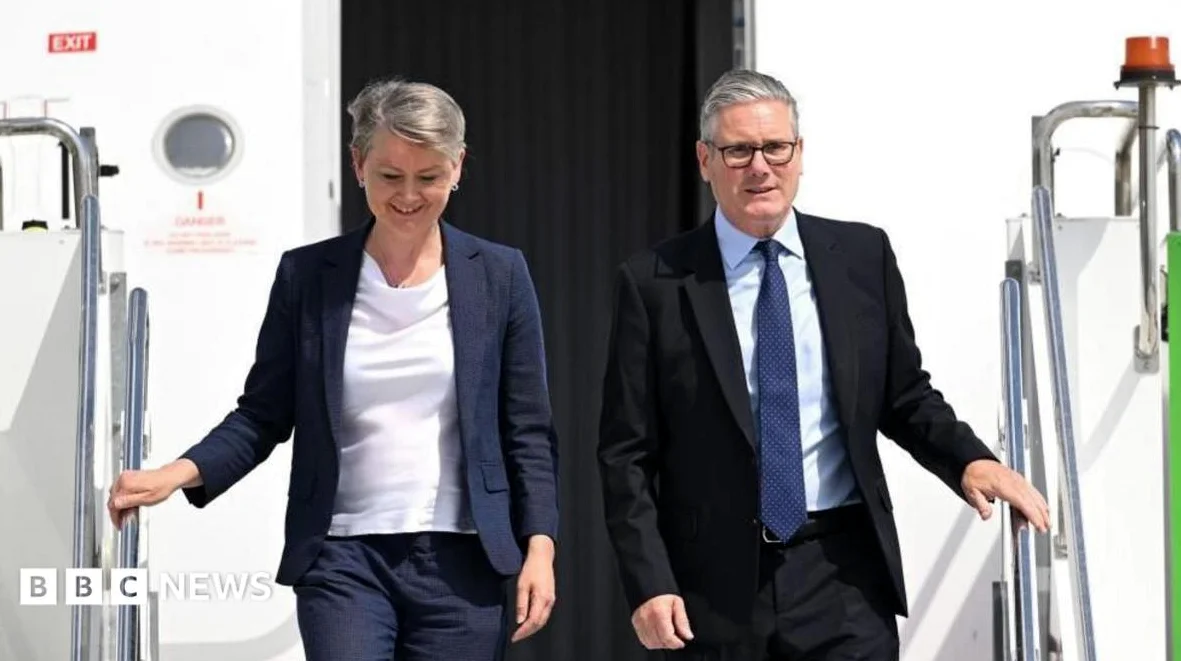
Deep Strike Initiative
Prime Minister Sir Keir Starmer is convening a meeting with around a dozen leaders at the NATO summit to discuss the Deep Strike programme; the project, one of NATO’s most advanced weapons systems, is expected to be operational by the 2030s. Starmer emphasized that the initiative would ‘help bring European allies together to keep NATO safe for years to come.’
The UK government has already committed £300 billion by 2030 in the Defence Investment Plan. Starmer also stressed the importance of increasing defence spending, as members of the alliance agreed last year to spend 3.5% of GDP on defence by 2035. However, he faces potential criticism from US President Donald Trump, who has repeatedly called for increased contributions from NATO members.
Increased Russian Military Activity
The government highlighted the increased threat posed by Russia, noting that NATO has scrambled fighter jets to intercept Russian aircraft approaching allied airspace more than 700 times. And, Russian military activity around UK waters has surged by 30%, according to the BBC.
While the alliance does not seek confrontation with Russia, it must be prepared to defend every member state; Starmer reiterated the UK’s commitment to ensuring the safety of its allies, stating, ‘We must step up to deliver a stronger, more European NATO.’
Global Security Context
In a related development, Russia is experiencing a fuel shortage crisis, with long queues forming at petrol stations in Moscow; Despite being a major oil-producing country, Russia has struggled to maintain adequate fuel supplies, with some stations running out of fuel entirely. The situation has caused frustration among residents, who are questioning the government’s preparedness and the impact of ongoing conflicts, such as the war in Ukraine.
Residents expressed concern over rising fuel prices and the unpredictability of supply. One individual noted the irony of queuing in a country with significant oil resources. While some attributed the shortages to the war, others pointed to broader logistical and distribution issues. The fuel crisis is a reminder of how the war in Ukraine is increasingly affecting the daily lives of Russians.





Comments
No comments yet
Be the first to share your thoughts