

Day of Mourning and Cultural Rituals
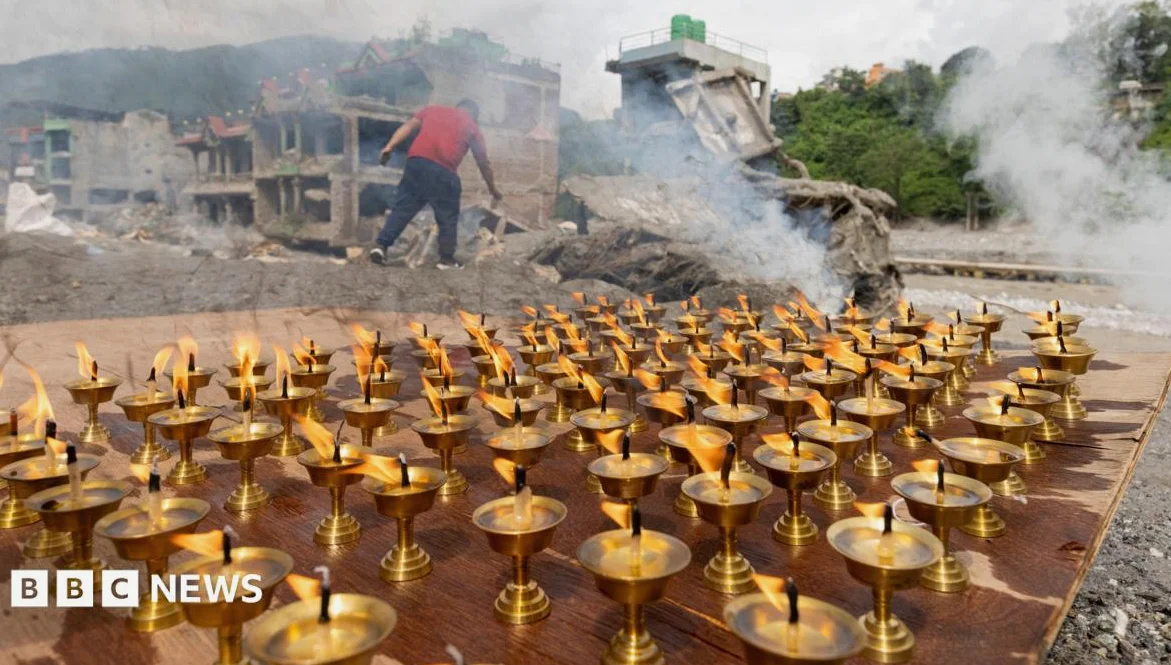
Monday marked the 13th day since the floods struck, with families in predominantly Hindu Nepal observing a traditional 13-day mourning period — On the final day, relatives visit to pay their respects, and rituals are held to pray for the souls of the departed. In Kathmandu, families gathered near government offices to demand faster search and rescue operations for those still missing, including many working on hydropower projects.
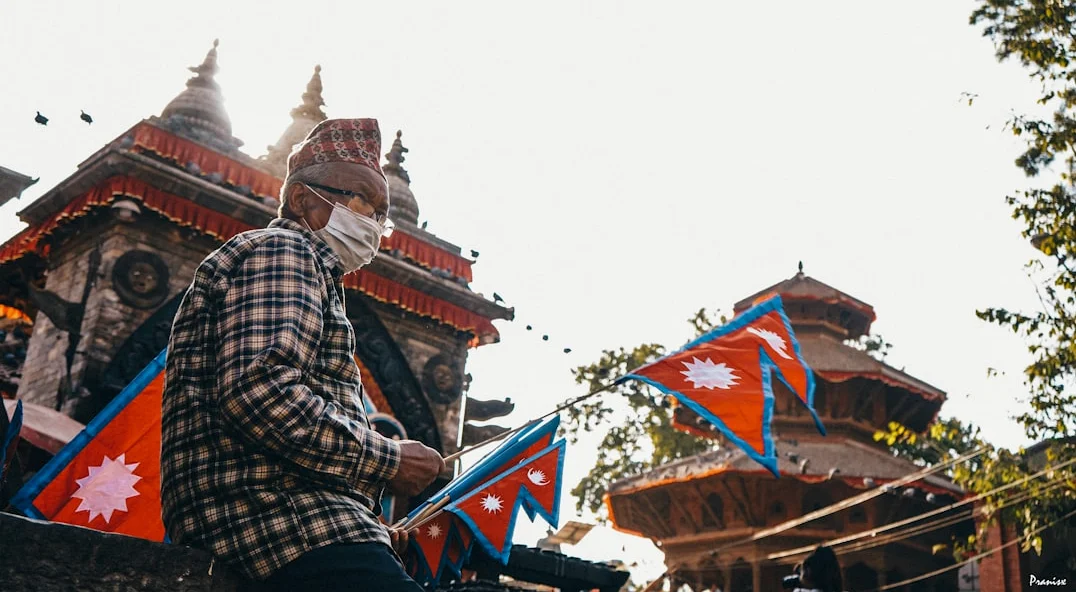
Several families performed symbolic funerals for relatives who remain missing, as cremation is a significant rite in Hindu tradition; Performing the ceremony without the bodies of their loved ones provided some spiritual closure, according to reports. Flags were lowered to half-staff at government offices as a sign of respect.
“There are no government programmes organised as the rescue and search operation is still going on in the flood-hit areas,” Phanindra Paudel of the National Emergency Operation Center (NEOC) told Reuters. The government has not planned any wider events for the day of mourning due to ongoing search efforts and limited resources.
Ongoing Search and Rescue Efforts
Search teams in Nepal have rescued four people in recent days, including a Chinese national found in a hydropower tunnel on Saturday, the others rescued were two hydropower workers from another tunnel on Friday, and a Nepali woman pulled from her buried house on Saturday. Despite these efforts, more than 5,500 people remain missing, many of them foreign nationals working on hydropower projects.
President Ram Chandra Paudel, the ceremonial head of state, is touring flood-affected areas on Monday to survey the damage, his aide confirmed the visit, but no formal government events were planned. The protests in Kathmandu continued, with families like that of Sumana Shrestha, who stood with a poster bearing the photo of her 55-year-old husband, a consulting geologist who had not been heard from since the day of the flood.
Challenges and Criticisms
Sumana’s husband had promised to return home after his shift at the Trishuli hydropower plant on the day of the flood, but the 2 1/2-story office was completely buried by debris. The families of missing workers are frustrated by the slow pace of search operations, as “The government needs to do more,” one protestor said, echoing the concerns of others in Kathmandu who gathered near the prime minister’s office.
The disaster, caused by a massive wall of mud and rock triggered by a glacier breaking off on the Nepal-China border, has left the country grappling with both the loss of life and the logistical challenges of recovery. With more than 5,000 still unaccounted for, the mourning period has also become a time of continued uncertainty and grief for families across the country.





Comments
No comments yet
Be the first to share your thoughts